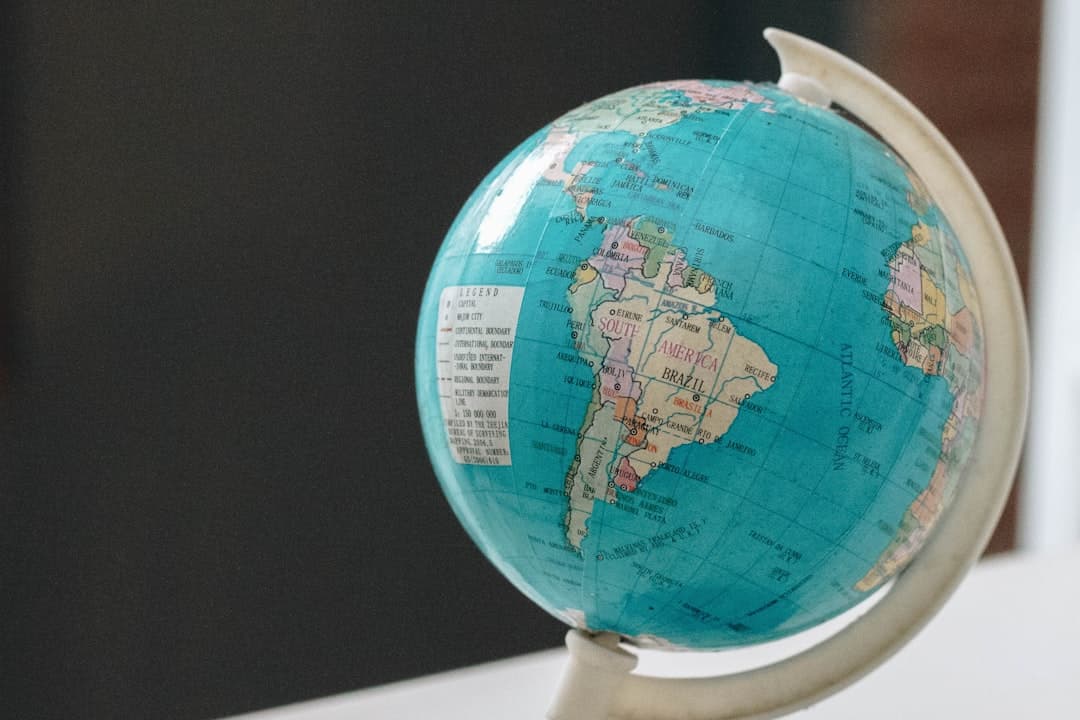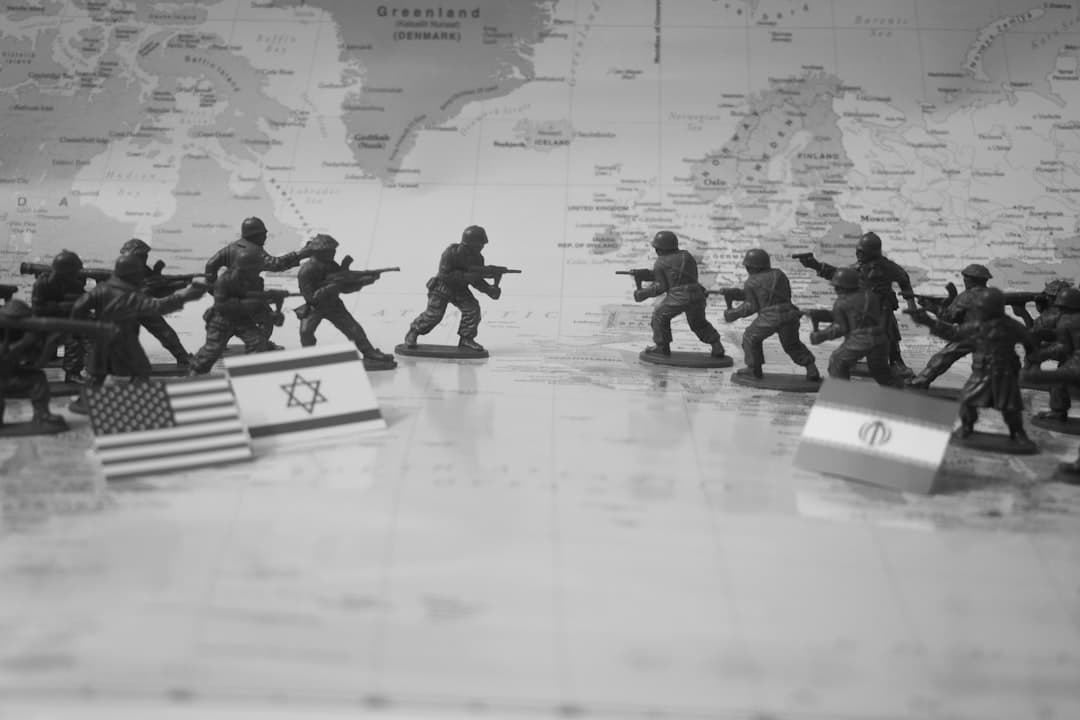
South America occupies a unique position in the global economy: rich in natural resources yet deeply integrated into international trade networks that stretch across Europe, Asia, and the Middle East. When armed conflicts disrupt those networks, the consequences reach ports from Buenos Aires to Santos well before diplomatic resolutions emerge.
Commodity Prices as a Transmission Channel
Global conflicts frequently trigger sharp movements in commodity prices, and South America sits on both sides of that equation. Oil-importing nations such as Chile and Brazil face rising energy costs when Middle Eastern or Eastern European instability constricts supply. Simultaneously, agricultural exporters like Argentina and Brazil can experience short-term revenue gains when conflict disrupts competing grain producers, as occurred when the Russia-Ukraine war altered global wheat and sunflower oil flows.
Currency Pressure and Capital Flight
Geopolitical uncertainty tends to strengthen the US dollar as investors seek safe-haven assets. For South American economies carrying significant dollar-denominated debt, a stronger dollar raises the real cost of debt servicing and can accelerate currency depreciation. Countries with limited foreign exchange reserves are especially vulnerable during prolonged conflict periods.
Trade Route Disruptions
Conflicts that affect major shipping corridors — including the Red Sea and key Atlantic routes — raise freight costs for South American exporters and importers alike. Longer transit times and higher insurance premiums compress profit margins for manufacturers and agricultural businesses operating on thin margins.
Investment Flows and Risk Perception
Global conflicts elevate general investor risk aversion. Foreign direct investment flows toward perceived safe markets, and South American economies — particularly those already carrying fiscal deficits or political instability — can see capital outflows intensify during prolonged geopolitical crises. Infrastructure and energy projects are among the first to face financing delays.
The cumulative effect is that South American policymakers must account for external conflict scenarios when constructing fiscal and monetary strategies, even when the region itself remains a non-combatant.
Open Questions
How can regional trade blocs such as Mercosur build structural buffers against external conflict shocks? Will accelerating multipolar geopolitics force South American nations to formalize neutrality frameworks that also carry economic protections?
Sources: World Bank Open Data, International Monetary Fund Regional Economic Outlook for Western Hemisphere, UN Conference on Trade and Development (UNCTAD) commodity reports, ECLAC (Economic Commission for Latin America and the Caribbean) annual reports.
This article was compiled with the support of advanced research technology, based on multiple verified sources, and reviewed by our editorial team.