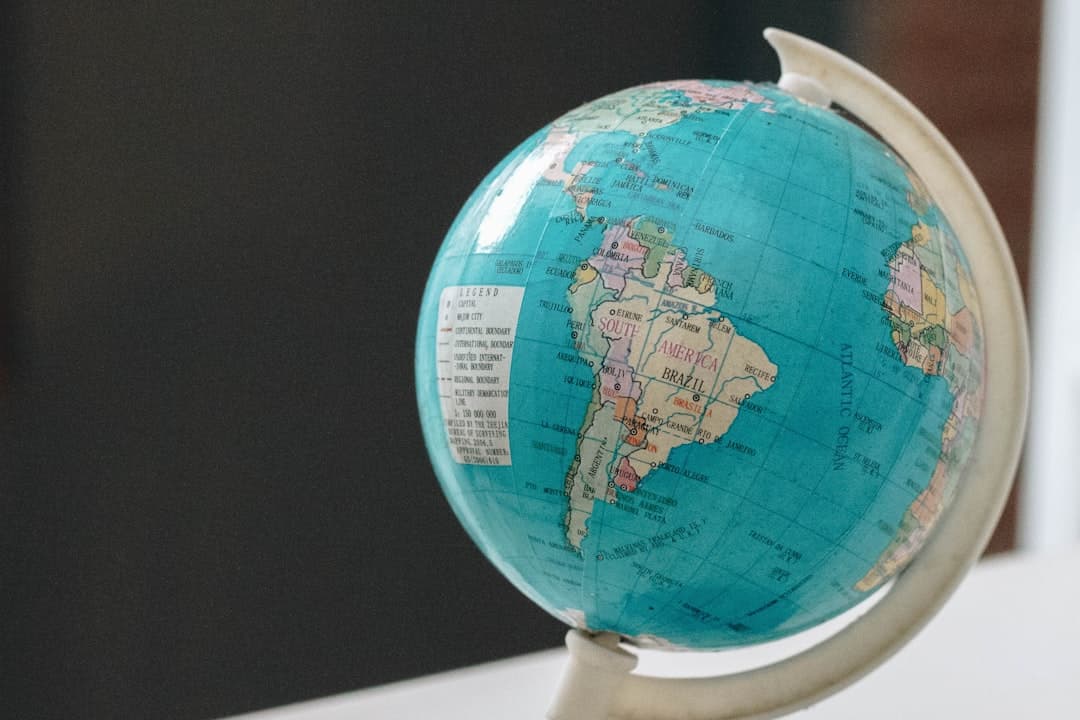
A growing number of South American governments have been expanding their diplomatic and commercial footprints across Asia and the Middle East, signaling a shift in regional foreign policy priorities. Countries including Brazil, Argentina, Chile, and Colombia have each pursued bilateral agreements, trade frameworks, and infrastructure partnerships with nations ranging from China and India to Saudi Arabia and the United Arab Emirates.
Trade Diversification as a Strategic Priority
China has become the top trading partner for several South American nations, absorbing large volumes of agricultural exports such as soybeans, beef, and copper, while supplying manufactured goods and technology. This relationship has deepened through financing arrangements tied to infrastructure development, including ports, railways, and energy facilities across the continent.
Gulf states have also increased their presence in the region, with sovereign wealth funds and state-backed enterprises directing investment toward agribusiness, logistics, and real estate sectors. Saudi Arabia and the UAE have separately engaged South American governments through both commercial and diplomatic channels, including participation in multilateral forums.
Multilateral Frameworks Gain Momentum
South American nations have used platforms such as the G20, the BRICS grouping, and the Arab–South American Summit to formalize and expand these relationships. Brazil, as a founding BRICS member, has served as a key bridge between the Global South and emerging-market economies in Asia and the Middle East. Argentina's recent participation in BRICS accession discussions further illustrated the region's interest in alternative multilateral structures.
India has also strengthened ties with several South American countries, focusing on pharmaceutical trade, technology cooperation, and people-to-people exchanges, while South Korea and Japan maintain long-standing economic relationships rooted in manufacturing investment and energy trade.
Geopolitical Context
These shifts occur against a backdrop of evolving global trade patterns, supply chain restructuring following pandemic-era disruptions, and growing interest among developing nations in building partnerships outside established Western-led frameworks. South American governments have generally framed these relationships as complementary to, rather than replacing, existing ties with the United States and European Union.
Open Questions
How will these expanding ties affect South America's relationships with traditional Western partners? Will regional bodies such as MERCOSUR or CELAC play a coordinating role in managing these new partnerships?
Sources: World Trade Organization, BRICS official communications, CEPAL/ECLAC regional reports, Council on Foreign Relations, Inter-American Dialogue.
This article was compiled with the support of advanced research technology, based on multiple verified sources, and reviewed by our editorial team.