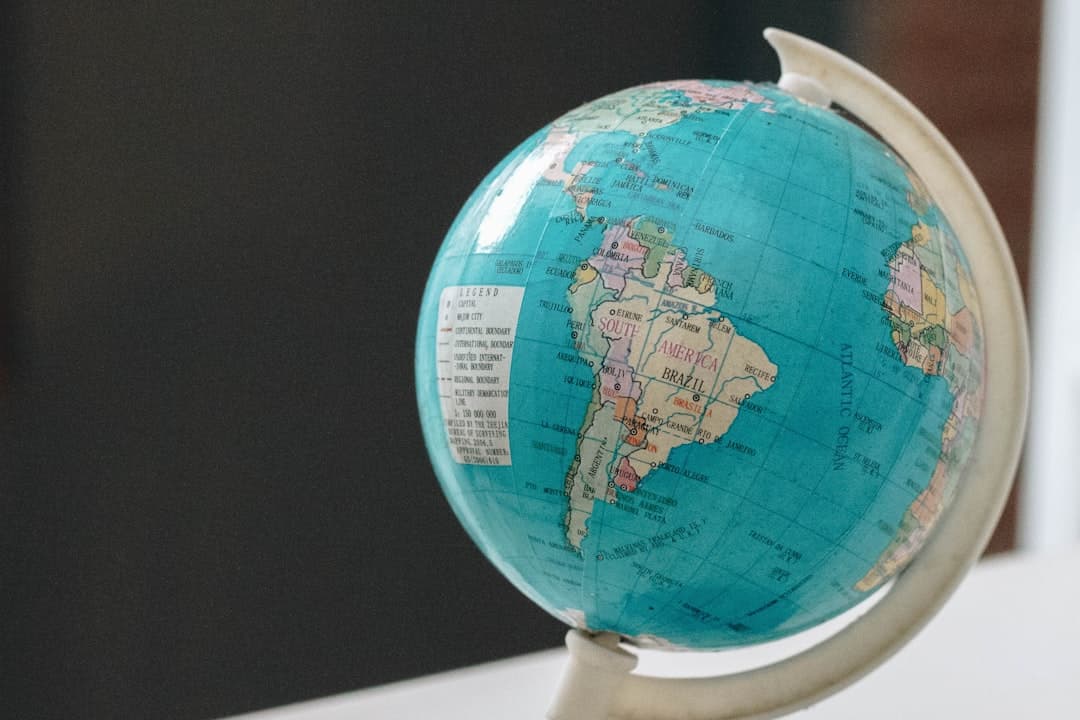
South America has steadily positioned itself as a consequential player in global climate diplomacy, with member states of the Union of South American Nations (UNASUR) and other regional blocs using environmental policy as a vehicle for broader geopolitical influence.
Amazon as a Diplomatic Asset
The Amazon rainforest, which spans eight South American countries and represents the world's largest tropical ecosystem, has become a focal point in international climate discussions. Nations with sovereign territory over the basin have increasingly used their stewardship role as leverage in negotiations over carbon financing, biodiversity agreements, and sustainable development frameworks.
Brazil, Colombia, and Peru, among others, have advocated at successive United Nations climate conferences for recognition of the economic value embedded in standing forests — a position that has gained traction among donor nations and multilateral institutions.
Regional Coordination and Global Forums
South American governments have coordinated positions ahead of major climate summits, including annual Conference of the Parties (COP) gatherings under the UN Framework Convention on Climate Change. This collective approach has amplified the region's negotiating weight relative to individual national delegations acting alone.
Chile hosted COP25 in 2019, and the experience reinforced the region's capacity to organize high-profile international forums. Colombia has similarly taken on leadership roles in biodiversity negotiations under the Convention on Biological Diversity.
Tensions and Trade-offs
The region's climate diplomacy operates alongside persistent tensions between conservation goals and domestic development priorities. Agricultural expansion, mining concessions, and energy infrastructure projects continue to generate friction with international partners and domestic civil society groups.
Deforestation rates in parts of the Amazon have drawn criticism from European governments and environmental organizations, complicating the narrative of South America as a unified climate leader.
Open Questions
Whether the region can reconcile internal development pressures with its external climate commitments remains unresolved. The durability of inter-regional coordination, particularly amid shifting domestic political landscapes across member states, will shape South America's long-term standing in global environmental governance.
Sources: United Nations Framework Convention on Climate Change (UNFCCC), Convention on Biological Diversity, UNASUR institutional records, COP25 host documentation.
This article was compiled with the support of advanced research technology, based on multiple verified sources, and reviewed by our editorial team.