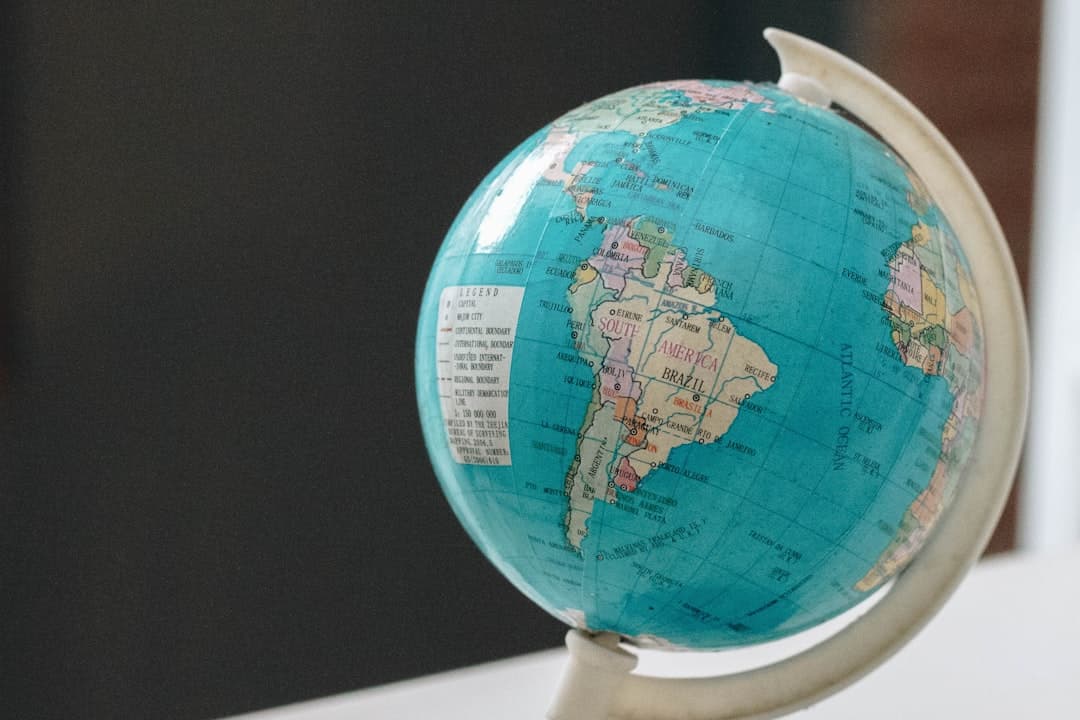
South America's economic fortunes have long been tied to the movement of global trade. As major economies restructure supply chains and reassess trade partnerships, the effects ripple outward to commodity-exporting nations across the continent.
Commodity Dependence and Vulnerability
Many South American nations rely heavily on the export of raw materials — including soybeans, copper, iron ore, lithium, and petroleum. Countries such as Brazil, Chile, Peru, and Argentina each derive a substantial share of government revenue and foreign exchange from these exports. When global demand shifts, particularly from large importers such as China and the United States, the downstream effects on national budgets and employment can be significant.
China has emerged as the dominant trading partner for much of the region over recent decades. Fluctuations in Chinese industrial activity or policy changes affecting import demand can directly influence commodity prices and export volumes across South American markets.
Trade Agreements and Regional Integration
The Mercosur bloc — comprising Brazil, Argentina, Uruguay, and Paraguay — continues to seek deeper trade ties with external partners, including ongoing negotiations with the European Union. Progress on such agreements has the potential to diversify export markets and reduce dependence on any single trading partner.
Pacific Alliance members Chile, Colombia, Peru, and Mexico have pursued a more open trade orientation, maintaining a network of bilateral and multilateral agreements that provide alternative channels for commerce.
Supply Chain Realignment
Global trends toward supply chain diversification — sometimes described as nearshoring or friendshoring — present both opportunities and challenges for South American nations. Some countries have attracted interest from manufacturers seeking alternatives to Asian production hubs, particularly in sectors such as automotive components, textiles, and electronics assembly.
However, infrastructure gaps, currency volatility, and regulatory environments in parts of the region can limit the pace at which new investment materializes.
Open Questions
How will the pace of energy transition globally affect demand for South American lithium and fossil fuels? Can regional trade blocs achieve greater cohesion to strengthen collective bargaining power in international markets?
Sources: World Trade Organization (WTO), United Nations Economic Commission for Latin America and the Caribbean (ECLAC/CEPAL), International Monetary Fund (IMF) Regional Economic Outlook, Mercosur Secretariat official communications.
This article was compiled with the support of advanced research technology, based on multiple verified sources, and reviewed by our editorial team.