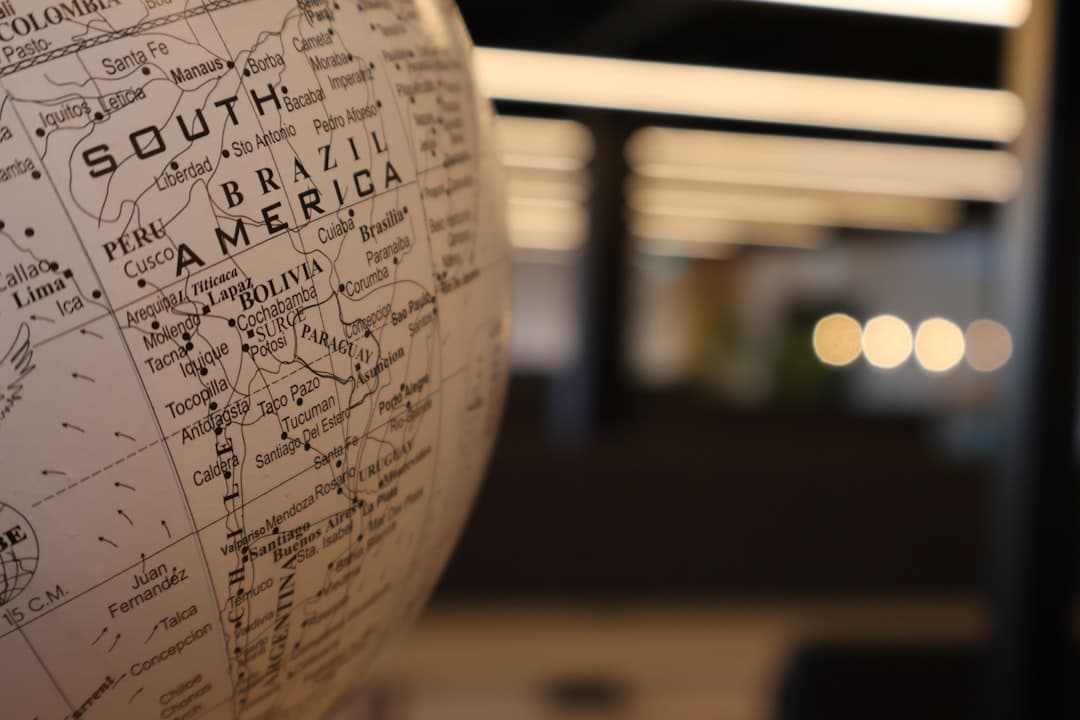
South America stands at a geopolitical crossroads, as governments across the continent adjust their foreign policies to reflect a world no longer defined by a single dominant power structure. The post-Cold War framework that oriented much of the region toward Washington and Brussels has given way to a more complex landscape of competing interests and overlapping alliances.
China's Growing Footprint
China has become one of the largest trading partners for several South American economies, with infrastructure investment, commodity purchases, and development financing expanding significantly over the past two decades. Projects tied to the Belt and Road Initiative have reached multiple countries in the region, deepening economic interdependence and raising questions about long-term strategic leverage.
Shifting Multilateral Alignments
Regional blocs such as MERCOSUR, UNASUR, and CELAC have experienced varying degrees of cohesion and fragmentation, reflecting the ideological diversity of governments across the continent. Several South American states have also moved closer to BRICS — the grouping of major emerging economies — with some nations formally seeking membership or observer status as a way to access alternative financial mechanisms outside Western-dominated institutions such as the IMF and World Bank.
Relations with the United States and Europe
Traditional partnerships with the United States and European Union remain significant, particularly in areas of trade, security cooperation, and democratic governance frameworks. However, domestic political changes in multiple South American countries have periodically strained these relationships, prompting governments to pursue more autonomous foreign policy positions.
Energy and Resources as Strategic Leverage
South America's vast reserves of lithium, copper, oil, and agricultural commodities have elevated the region's strategic importance in global supply chains. Multiple external powers are competing for long-term resource agreements, giving South American governments increased bargaining power in diplomatic negotiations.
Open Questions
Can South American nations maintain policy autonomy as great power competition intensifies? Will regional institutions develop the coherence necessary to act as a unified bloc? How will shifting commodity markets affect the leverage individual countries hold in multilateral negotiations?
Sources: ECLAC (UN Economic Commission for Latin America and the Caribbean), Council on Foreign Relations, MERCOSUR official communications, World Bank regional reports, BRICS official statements.
This article was compiled with the support of advanced research technology, based on multiple verified sources, and reviewed by our editorial team.