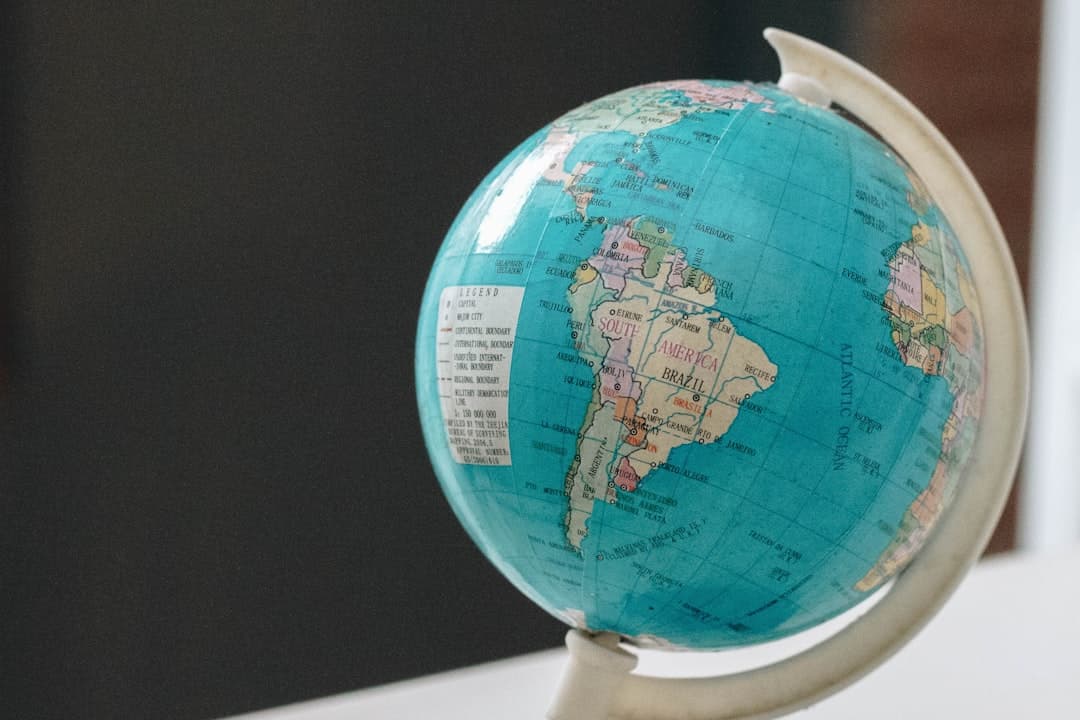
South America has long been characterized in geopolitical discourse as a peripheral actor — a region shaped more by external forces than one capable of shaping them. That characterization has become increasingly difficult to sustain.
Regional Blocs and Multilateral Engagement
Institutions such as CELAC (Community of Latin American and Caribbean States) and UNASUR, alongside the more established Mercosur trade bloc, reflect South American efforts to coordinate foreign policy positions independently of North American or European guidance. Brazil, Argentina, Chile, and Colombia have each independently pursued bilateral and multilateral agreements with partners across Asia, Africa, and the Middle East, diversifying relationships beyond traditional Western alliances.
Brazil's Role as a Emerging Power
Brazil occupies a distinct position among South American nations. As a member of the BRICS grouping — alongside Russia, India, China, and South Africa — Brazil participates in a forum that explicitly positions itself as a counterweight to G7-dominated global governance. Brazilian diplomacy has historically prioritized South-South cooperation, advocating for greater representation of developing nations in bodies such as the United Nations Security Council.
Climate Policy and Natural Resources
The Amazon basin, shared across multiple South American nations, places the region at the center of global climate negotiations. Countries including Brazil, Colombia, and Peru hold significant leverage in international climate forums given the ecological importance of their territories. The region also holds substantial reserves of lithium — a critical mineral for electric battery production — concentrated primarily in the so-called Lithium Triangle spanning Argentina, Bolivia, and Chile, drawing sustained geopolitical interest from major world powers.
Shifting Alliances and Strategic Autonomy
Several South American governments have pursued a foreign policy doctrine of strategic autonomy — maintaining relationships with the United States, China, and the European Union simultaneously rather than aligning exclusively with any single bloc. This posture has grown more deliberate as competition between major powers intensifies globally.
Open Questions
Whether South American nations can maintain unified regional positions amid internal political divergences remains uncertain. The long-term institutional durability of regional blocs, and how lithium resource governance will evolve, are subjects of ongoing international attention.
Sources: CELAC official documentation; Mercosur institutional records; BRICS summit communiqués; United Nations Environment Programme reports; U.S. Geological Survey mineral resource data.
This article was compiled with the support of advanced research technology, based on multiple verified sources, and reviewed by our editorial team.