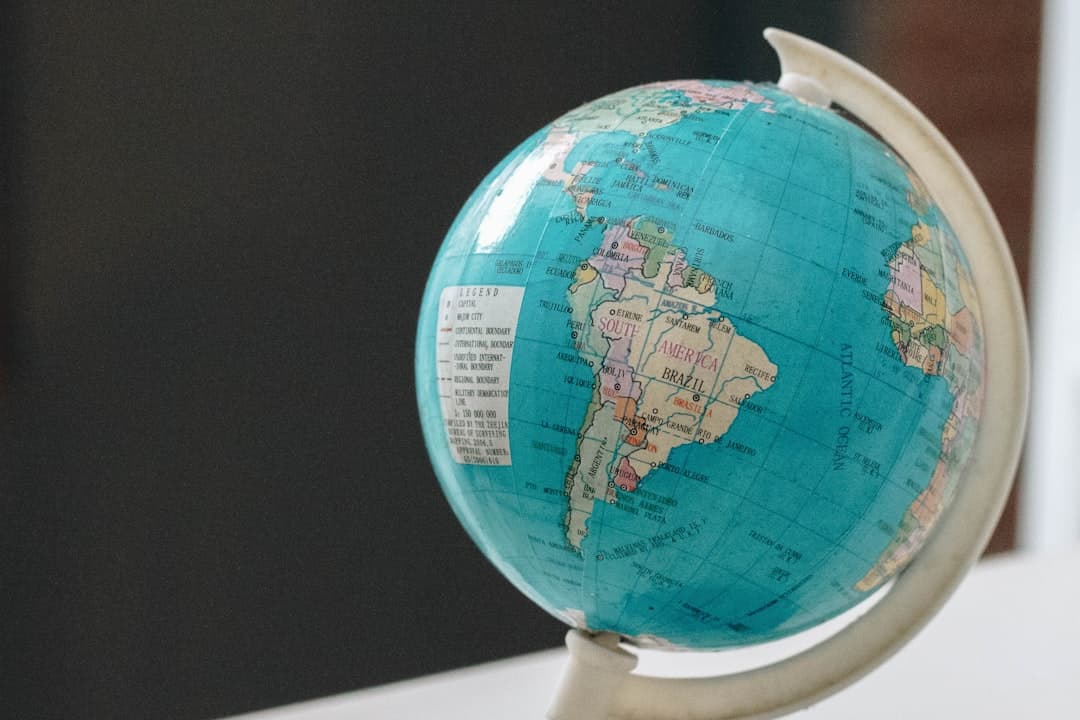
South America is undergoing a measurable transformation in how its nations project influence beyond the continent. Through a combination of revitalized regional institutions and new bilateral arrangements, the bloc is moving away from a model of fragmented national diplomacy toward more coordinated external engagement.
CELAC and UNASUR: Institutional Frameworks Under Revision
The Community of Latin American and Caribbean States (CELAC) and the Union of South American Nations (UNASUR) have both experienced periods of reduced activity following political shifts across member governments. Several countries suspended or withdrew participation during the late 2010s. More recently, renewed diplomatic interest has brought a number of those nations back to the table, restoring a degree of institutional continuity to regional coordination efforts.
Trade Architecture and External Partners
The Mercosur trading bloc, which includes Argentina, Brazil, Paraguay, and Uruguay, has pursued long-standing negotiations with the European Union toward a comprehensive trade agreement. Progress has been uneven, with environmental standards and agricultural market access remaining points of contention. Separately, Pacific Alliance members — Chile, Colombia, Mexico, and Peru — have maintained a distinct trade-oriented framework with stronger orientation toward Asia-Pacific markets.
Security and Non-Alignment
South American governments have historically maintained a posture of non-alignment in major geopolitical conflicts. That position has been tested by the war in Ukraine and intensifying competition between the United States and China, both of which are major trading partners for the region. Several governments have declined to endorse multilateral condemnation votes, reflecting a preference for strategic autonomy over bloc alignment with either major power.
China's Growing Regional Presence
Chinese investment in South American infrastructure, energy, and agriculture has expanded significantly over the past two decades. Belt and Road Initiative agreements have been signed by multiple governments in the region, reshaping long-standing trade dependencies that historically ran through North Atlantic partners.
Open Questions
Whether Mercosur and the Pacific Alliance will deepen coordination or continue operating as parallel tracks remains unresolved. The degree to which domestic political cycles will interrupt institutional continuity in bodies like CELAC also remains an open variable in the region's long-term diplomatic trajectory.
Sources: CELAC official communications; Mercosur Secretariat; Pacific Alliance official portal; ECLAC (UN Economic Commission for Latin America and the Caribbean); Council on Foreign Relations — Latin America program.
This article was compiled with the support of advanced research technology, based on multiple verified sources, and reviewed by our editorial team.