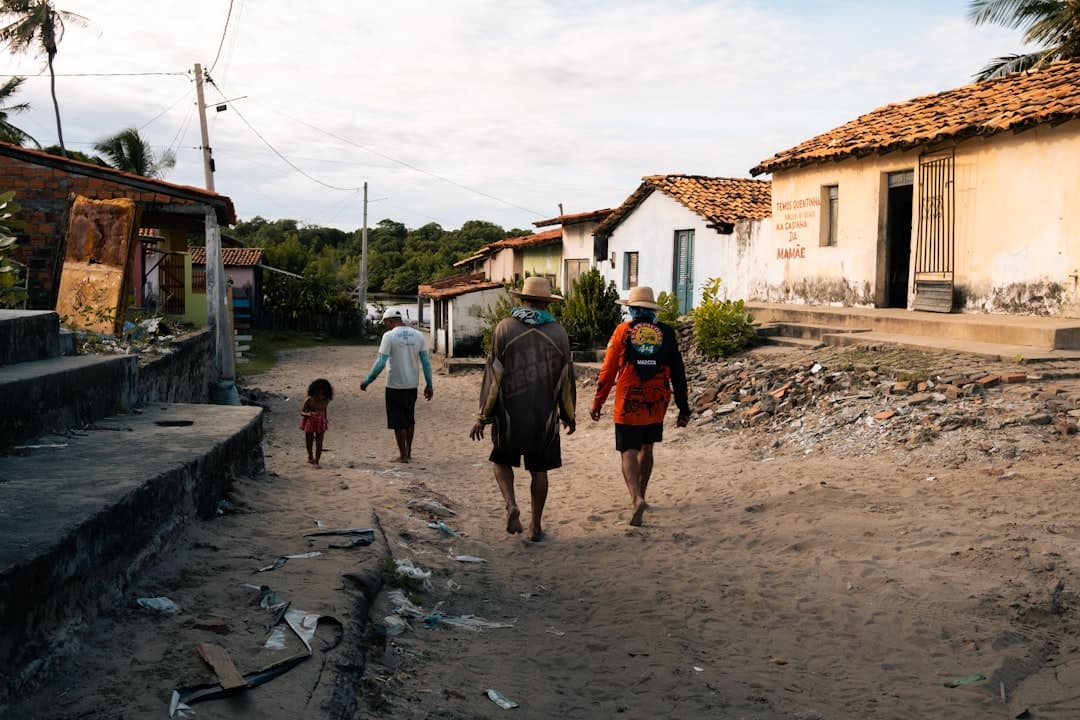
Across South America, a measurable shift is underway in how health systems are organized and funded. Rather than concentrating resources primarily on acute and emergency care, a growing number of countries in the region are directing investments toward preventive medicine — a branch of healthcare focused on identifying risk factors, monitoring population health, and detecting conditions before they progress to advanced stages.
What Is Driving the Change
Several structural factors are associated with this transition. South America's population is aging at a pace documented by regional health organizations, and older populations statistically present higher rates of chronic non-communicable diseases such as cardiovascular conditions, type 2 diabetes, and certain cancers. These conditions place sustained pressure on hospital infrastructure and public health budgets.
Urbanization has also contributed to shifts in lifestyle patterns across Brazil, Argentina, Colombia, Chile, and neighboring countries, with associated changes in diet, physical activity levels, and exposure to environmental factors. Health researchers have linked these changes to increased prevalence of metabolic and cardiovascular conditions across age groups.
How Preventive Medicine Functions Within These Systems
Preventive medicine encompasses a range of structured activities within formal health systems. Among the procedures used in this field are routine screening programs, laboratory panels designed to detect early markers of disease, imaging studies, and systematic vaccination programs. Primary care networks serve as the institutional backbone for much of this activity, acting as the first point of contact between individuals and the health system.
Some countries in the region have expanded community health worker programs, which extend basic health monitoring into rural and underserved areas where specialist infrastructure is limited.
The Role of Health Technology
Digital health platforms and electronic medical records have expanded in several South American markets, enabling more systematic tracking of population health indicators over time. Telemedicine, which grew significantly during the COVID-19 pandemic period, has remained integrated into certain preventive care frameworks in urban and semi-urban zones.
International health bodies, including the Pan American Health Organization, have documented the cost-effectiveness of early detection programs compared to late-stage disease management, a finding that has influenced policy discussions in multiple national health ministries across the region.
Open Questions
Whether the momentum behind preventive medicine expansion will translate into sustained funding commitments — particularly in countries facing fiscal constraints — remains an open question for regional health analysts. Equity of access across income levels and geographic zones is also cited as an unresolved challenge in the academic literature.
Sources: Pan American Health Organization (PAHO), World Health Organization (WHO) Regional Office for the Americas, national health ministry publications from Brazil, Argentina, Colombia, and Chile; peer-reviewed literature on non-communicable disease trends in Latin America.
This article was compiled with the support of advanced research technology, based on multiple verified sources, and reviewed by our editorial team. The information provided is for general informational purposes only and does not constitute medical, therapeutic or health advice. This article is not a substitute for professional diagnosis, consultation or treatment by qualified healthcare professionals.