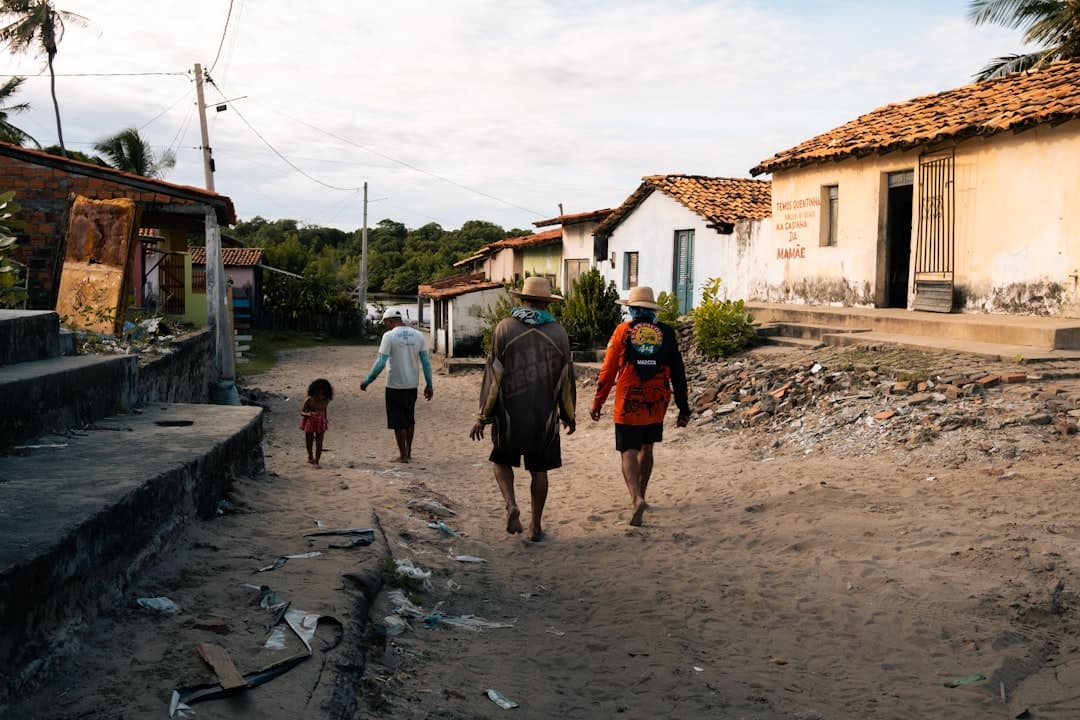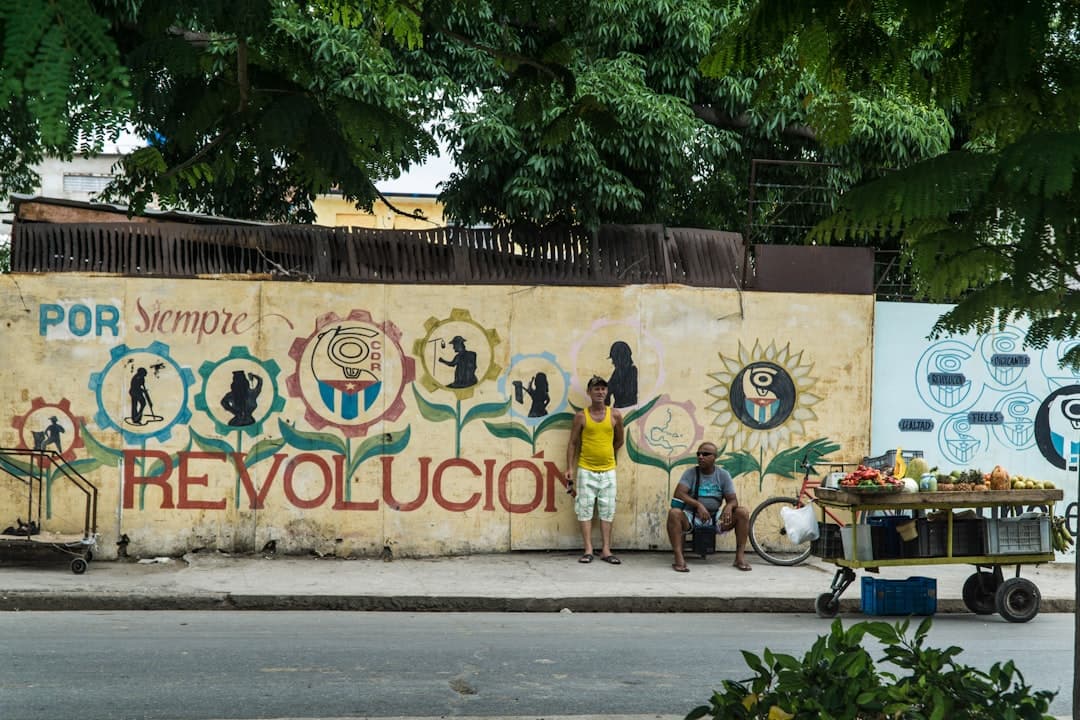
Across the urban centers of Latin America — from São Paulo and Buenos Aires to Bogotá and Lima — dietary patterns have undergone substantial changes over recent decades. A convergence of rapid urbanization, shifting economic conditions, and the expansion of global food supply chains has altered what populations in these cities consume on a daily basis.
From Traditional Diets to Processed Foods
Historically, diets in Latin American countries were characterized by locally sourced staples including legumes, tubers, maize, and fresh vegetables. As cities grew and informal settlements expanded, access to traditional food markets became less consistent for many urban residents. Simultaneously, the proliferation of ultra-processed food products — items with high levels of refined sugars, sodium, and industrialized fats — became documented through regional nutrition surveys conducted by bodies including the Pan American Health Organization (PAHO).
The so-called "nutritional transition" is a term used in public health literature to describe this documented shift from traditional, nutrient-dense diets toward energy-dense, low-nutrient alternatives. Latin America has been cited in multiple academic studies as a region where this transition is occurring at an accelerated pace compared to global averages.
Plant-Based and Functional Foods Gain Urban Presence
Alongside the rise of processed food consumption, a separate and contrasting trend has been recorded in middle- and upper-income urban segments. Specialty food markets, health-oriented retail chains, and plant-based product lines have expanded significantly across major metropolitan areas. Fermented foods, ancient grains such as quinoa and amaranth, and reduced-animal-protein diets have seen growing market presence, as tracked by regional food industry analysts.
Structural and Economic Dimensions
Research published through institutions such as the Economic Commission for Latin America and the Caribbean (ECLAC) has linked dietary shifts to structural factors including income inequality, food deserts in peri-urban areas, and the varying cost of fresh versus processed goods. These conditions differ considerably between and within countries, making city-level patterns distinct from national averages.
Public health agencies across the region have introduced labeling regulations in countries including Chile, Mexico, and Peru, requiring front-of-package warnings on products exceeding defined thresholds for sugar, sodium, and saturated fats. The effectiveness of these regulatory frameworks continues to be studied by nutritional epidemiologists.
Open Questions
Ongoing research focuses on how regulatory measures interact with consumer behavior across different socioeconomic strata, whether urban food infrastructure changes will affect long-term population health metrics, and how informal food economies factor into official nutritional data collection.
Sources: Pan American Health Organization (PAHO), Economic Commission for Latin America and the Caribbean (ECLAC), peer-reviewed literature on Latin American nutritional epidemiology, regional food industry market analyses.
This article was compiled with the support of advanced research technology, based on multiple verified sources, and reviewed by our editorial team. The information provided is for general informational purposes only and does not constitute medical, therapeutic or health advice. This article is not a substitute for professional diagnosis, consultation or treatment by qualified healthcare professionals.