Across South America, a broad transformation in healthcare infrastructure and medical technology is underway. Nations including Brazil, Argentina, Chile, and Colombia have seen substantial growth in health-focused research institutions, biotechnology startups, and digital health platforms over recent years.
Digital Health Expansion
Telemedicine has expanded significantly across urban and rural areas of the continent. Following the widespread disruption caused by the COVID-19 pandemic, governments and private health organizations accelerated the deployment of remote consultation platforms, electronic medical records systems, and mobile health applications. These developments have extended access to medical services in geographically remote regions where physical infrastructure has historically been limited.
Biotechnology and Pharmaceutical Development
Brazil and Argentina have long maintained regional leadership in pharmaceutical manufacturing. Both countries house nationally funded research institutions — including Brazil's Fiocruz and Argentina's CONICET — that conduct ongoing biomedical research spanning vaccine development, infectious disease study, and genomic medicine. Colombia and Chile have similarly increased public and private investment in life sciences sectors, establishing dedicated health innovation hubs in major cities such as Bogotá, Medellín, and Santiago.
Regulatory and Structural Shifts
Several governments have revised regulatory frameworks to accelerate the approval and adoption of medical technologies. These structural adjustments are designed to reduce the time required to bring new diagnostic tools and treatment procedures into clinical use. Regional cooperation agreements between health ministries have also facilitated the cross-border sharing of epidemiological data and medical research findings.
Persistent Challenges
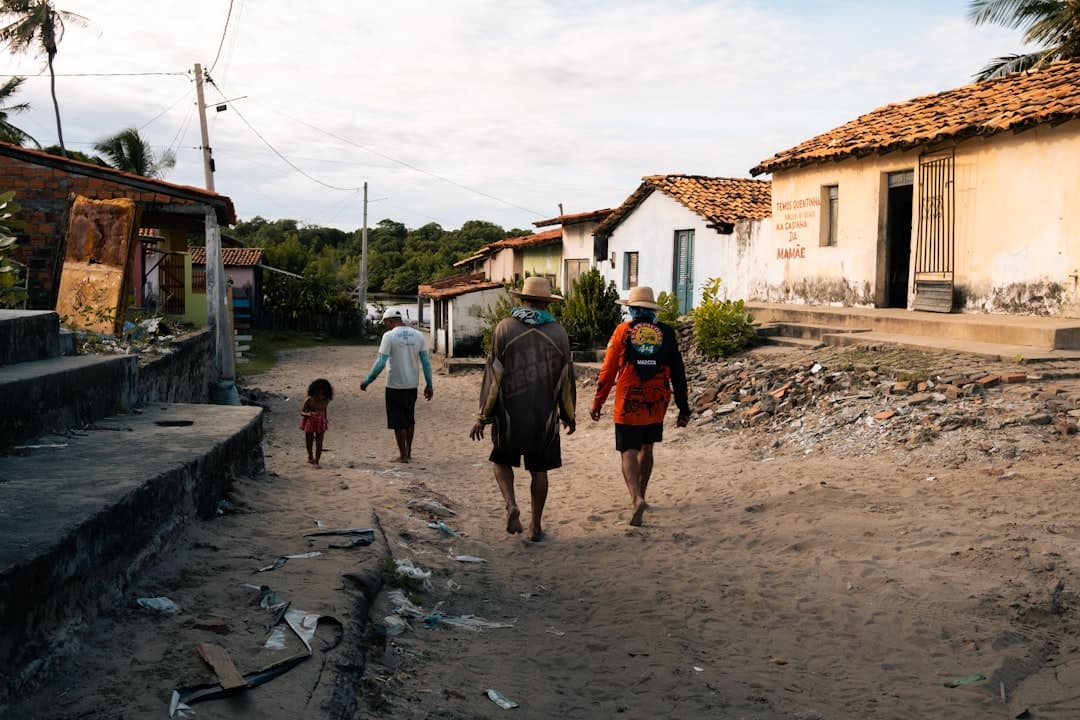
Despite measurable advances, significant disparities in healthcare access remain between high-income urban centers and lower-income rural communities. Public health analysts have documented gaps in the distribution of advanced medical technologies, indicating that innovation has not yet reached all population segments evenly. Infrastructure deficits, funding limitations, and workforce shortages continue to represent structural barriers across parts of the continent.
Open Questions
Whether accelerating innovation will translate into equitable healthcare outcomes across all socioeconomic strata remains an active area of study. The long-term sustainability of health technology investment, particularly in nations with fluctuating economic conditions, also remains an open consideration for regional policymakers and researchers.
Sources: Pan American Health Organization (PAHO), Fiocruz (Brazil), CONICET (Argentina), World Health Organization (WHO) regional reports, ECLAC health sector analyses.
This article was compiled with the support of advanced research technology, based on multiple verified sources, and reviewed by our editorial team. The information provided is for general informational purposes only and does not constitute medical, therapeutic or health advice. This article is not a substitute for professional diagnosis, consultation or treatment by qualified healthcare professionals.