Across South America, the contrast between urban and rural healthcare infrastructure remains one of the most documented public health disparities on the continent. While major cities such as São Paulo, Buenos Aires, and Bogotá host advanced medical facilities and dense networks of specialists, vast rural territories — from the Amazon basin to the Andean highlands and the Patagonian steppe — operate with a fraction of equivalent resources.
Geographic Isolation as a Structural Barrier
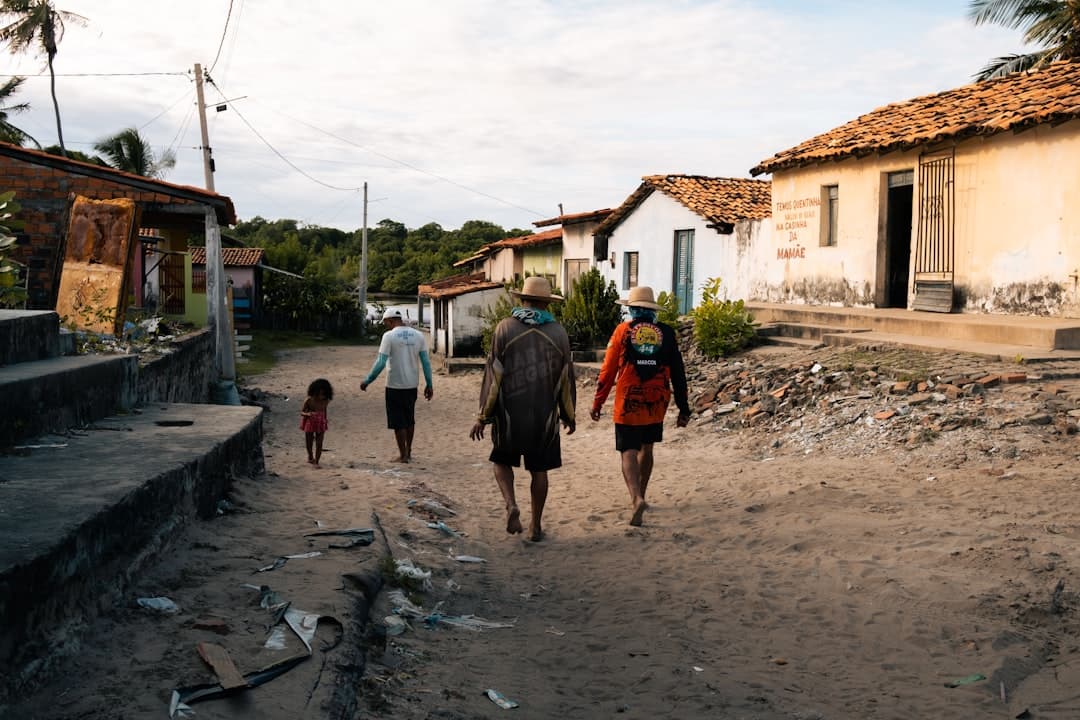
The physical distance between remote communities and functioning medical centers is among the most consistently cited obstacles in regional health assessments. In countries such as Peru, Bolivia, and Brazil, patients in rural areas may travel several hours — sometimes crossing rivers or mountain passes — to reach the nearest clinic or hospital. This distance is particularly significant in the context of emergency care, childbirth, and the management of chronic conditions.
Shortage of Health Professionals in Rural Zones
Medical professionals, including general practitioners, nurses, and specialists, are distributed unevenly across the region. Rural postings are frequently understaffed, a pattern attributed to limited financial incentives, lack of professional development opportunities, and difficult living conditions in remote areas. Several governments have introduced placement programs designed to assign medical graduates to underserved zones, though the long-term retention of personnel has remained a documented challenge.
Infrastructure and Supply Deficiencies
Rural health posts and clinics across the continent frequently operate with limited diagnostic equipment, inconsistent access to essential medicines, and unreliable electricity or water supplies. Cold chain failures — critical for the storage of vaccines and certain medications — have been recorded in multiple national health audits. Telemedicine programs have been introduced in several countries as a supplementary measure, allowing remote consultations through digital platforms where connectivity permits.
Indigenous and Minority Populations
Indigenous communities, which are predominantly rural, face compounding barriers that include language differences, geographic remoteness, and historically low levels of institutional health coverage. Public health researchers have documented elevated rates of preventable illness and maternal mortality in these populations compared to national averages.
Open Questions
Whether expanded telemedicine infrastructure, revised health worker incentive structures, or increased federal investment will produce measurable changes in rural health equity across South America remains a subject of ongoing policy debate and academic study.
Sources: Pan American Health Organization (PAHO), World Health Organization (WHO) Regional Office for the Americas, national ministry of health reports (Brazil, Peru, Bolivia, Colombia), academic literature on rural health equity in Latin America.
This article was compiled with the support of advanced research technology, based on multiple verified sources, and reviewed by our editorial team. The information provided is for general informational purposes only and does not constitute medical, therapeutic or health advice. This article is not a substitute for professional diagnosis, consultation or treatment by qualified healthcare professionals.