Peru ranks among South America's most visited countries, drawing travelers primarily to Machu Picchu, the Sacred Valley, and the city of Cusco. However, the concentration of tourism in a handful of sites has placed strain on local infrastructure, ecosystems, and cultural heritage — prompting government agencies and private stakeholders to pursue a more distributed model of tourism development.
Managing Pressure on Iconic Sites
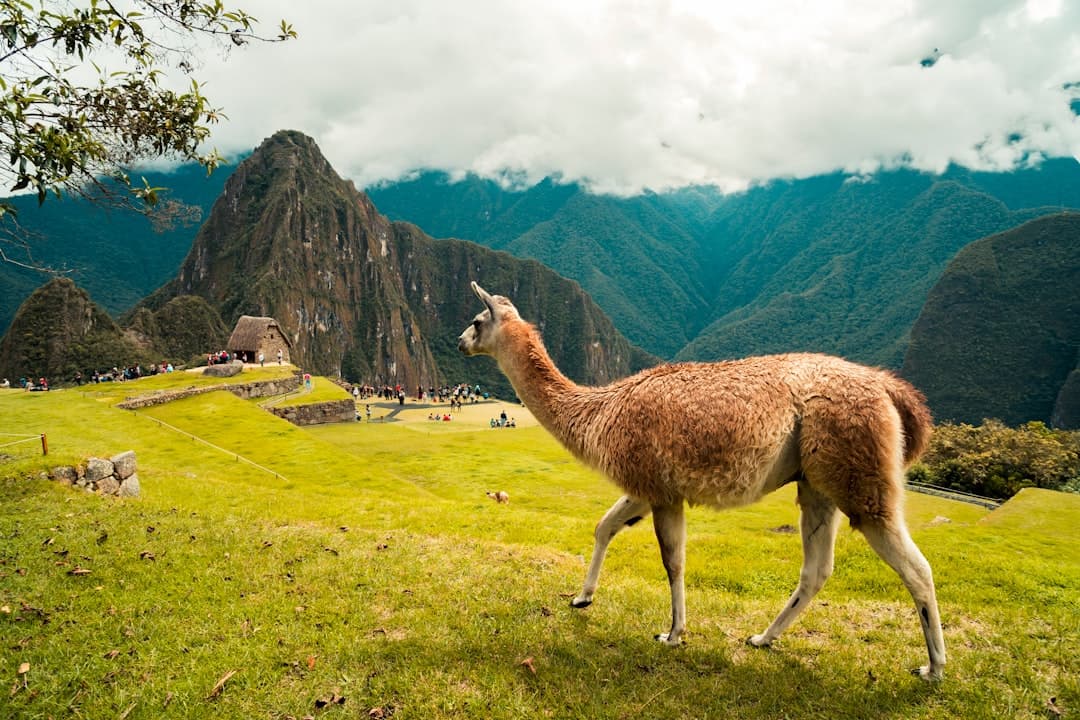
The Peruvian Ministry of Culture has implemented timed entry systems and daily visitor caps at Machu Picchu, the Inca citadel designated as both a UNESCO World Heritage Site and one of the New Seven Wonders of the World. These measures aim to reduce physical deterioration of the ancient stone structures and improve the visitor experience by limiting overcrowding during peak travel seasons.
Similar conservation frameworks have been applied at other archaeological zones, including the Nazca Lines in the Ica region, where access routes and observation infrastructure have been updated to minimize ground disturbance around the geoglyphs, which remain the subject of ongoing scientific study.
Expanding the National Tourism Map
Peruvian authorities have actively promoted regions that historically received a smaller share of international arrivals. The Amazon basin, accessible through cities such as Iquitos and Puerto Maldonado, has seen growth in eco-tourism offerings centered on biodiversity and indigenous culture. The Lake Titicaca area near Puno, home to the floating Uros islands and the island communities of Taquile and Amantaní, has similarly been positioned as a culturally immersive destination distinct from the Andean circuit.
In northern Peru, archaeological complexes including Chan Chan — the largest pre-Columbian city in South America and another UNESCO World Heritage Site — and the royal tombs of Sipán have received investment in visitor facilities and interpretive infrastructure. Promoters argue that the northern route offers comparable historical depth to Cusco while operating at significantly lower visitor volumes.
Infrastructure and Connectivity Investments
Road and airport improvements have played a central role in making secondary destinations accessible. Regional airports have undergone expansion or renovation in several cities, reducing dependence on Lima as the sole major entry point for international travelers. Improved road networks connecting highland towns to lowland regions have also shortened travel times between destinations that were previously difficult to combine in a single itinerary.
The hospitality sector has responded to these changes with investment in boutique lodges, community-based guesthouses, and eco-lodges, particularly in areas where large hotel chains have limited presence. These smaller operations are frequently linked to local agriculture, crafts, and guided experiences led by community members.
Community Tourism and Economic Inclusion
A recurring theme in Peru's tourism strategy involves directing economic benefit toward rural and indigenous communities. Programs facilitated through government agencies and international development organizations have supported the creation of community-run tourism enterprises, offering visitors direct engagement with traditional weaving, farming, and ceremonial practices.
This model aligns with broader trends in responsible travel and addresses longstanding concerns that tourism revenue in highly commercialized zones tends to concentrate among larger operators rather than local populations.
Sustainability and Long-Term Planning
Peru's diverse geography — spanning Pacific coastline, Andean highlands, and Amazonian rainforest — provides a foundation for year-round tourism that does not rely on a single seasonal peak. Planners have emphasized the importance of balancing visitor growth with environmental preservation, particularly in protected natural areas that overlap with tourism corridors.
The country's biodiversity, recognized as among the highest on the planet, has become a distinct selling point for a segment of travelers specifically seeking natural history and wildlife experiences, adding another dimension to a sector historically defined by archaeology and adventure sports.
Open Questions
Whether dispersed tourism development will meaningfully reduce pressure on sites like Machu Picchu remains to be seen. Questions also persist around the long-term effectiveness of community tourism models in generating sustained local income, and how climate-related changes to Andean and Amazonian ecosystems may affect destination viability over time.
Sources: UNESCO World Heritage Centre, Peruvian Ministry of Culture, Promperú (Commission for the Promotion of Peru for Export and Tourism), World Travel & Tourism Council general reporting on South American markets.
This article was compiled with the support of advanced research technology, based on multiple verified sources, and reviewed by our editorial team.