Colombia has steadily climbed the ranks of international travel destinations, drawing visitors from Europe, North America, and across Latin America. The country's appeal spans a wide range of travel interests — from biodiversity and adventure tourism to gastronomy, colonial architecture, and music culture — positioning it as one of the most versatile destinations in the Western Hemisphere.
A Turnaround Built Over Decades
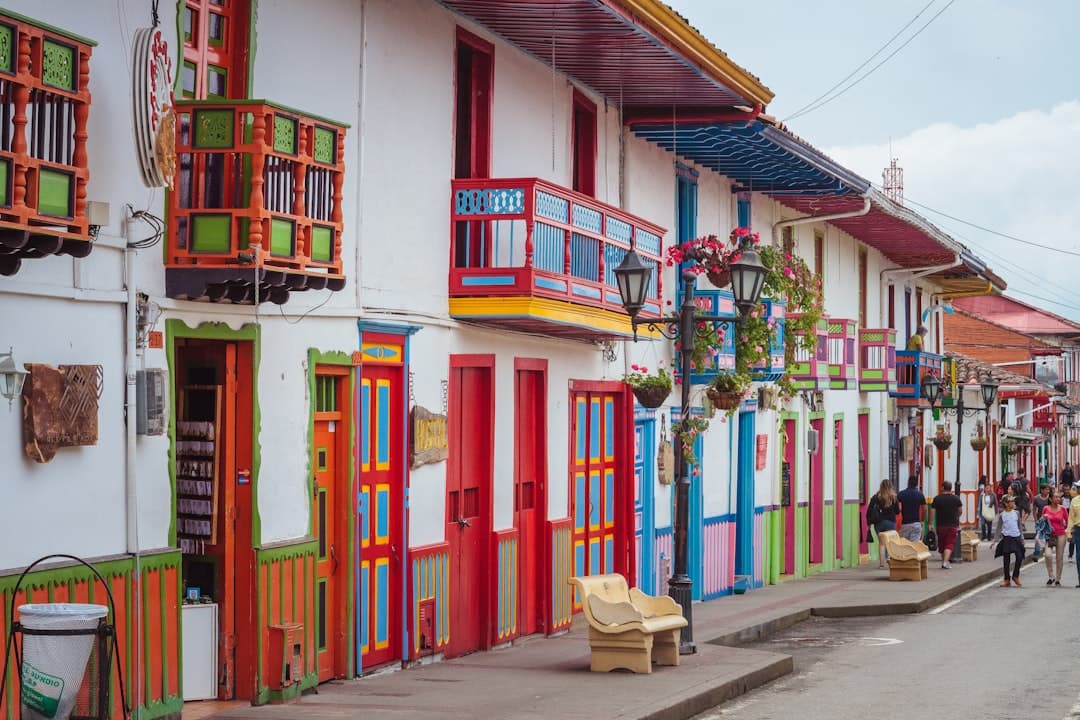
The shift in Colombia's global image did not happen overnight. Following decades of internal conflict, successive governments prioritized security reforms and rural development programs. The 2016 peace agreement between the Colombian government and the FARC guerrilla organization marked a significant turning point, opening previously inaccessible regions to travelers and investors alike. Areas such as the coffee-growing Eje Cafetero, the Pacific coast, and the Amazon basin became viable destinations for the first time in a generation.
Cities Leading the Charge
Medellín has received sustained international attention for its urban transformation, earning recognition from multiple global publications and organizations for innovations in public transit, urban planning, and social investment. The city's cable car systems connecting hillside neighborhoods to the city center have become attractions in their own right. Cartagena, a UNESCO World Heritage Site, continues to draw visitors to its walled colonial city and Caribbean beaches. Bogotá, the capital, has developed a robust cultural infrastructure, including world-class museums, a thriving restaurant scene, and an extensive network of bicycle paths that has earned it recognition among urban planners globally.
Natural Assets Driving Ecotourism
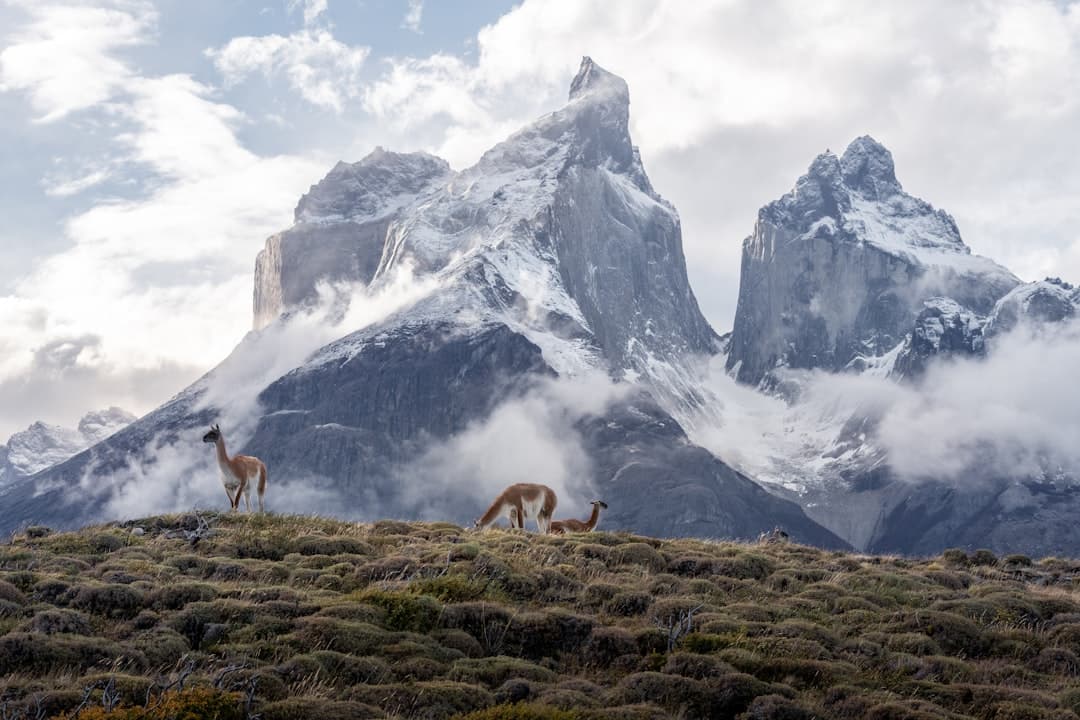
Colombia holds one of the highest levels of biodiversity per square kilometer of any country on Earth, a fact that has not gone unnoticed by the global ecotourism market. The country is home to a significant share of the world's bird species, making it a premier destination for birdwatching enthusiasts. The Amazon, the Andes, the Pacific rainforest, and two coastlines — on the Caribbean and the Pacific — offer environments found together in few other countries. Conservation efforts and the growth of community-based tourism operations have allowed rural communities to benefit directly from this natural wealth.
Infrastructure and Connectivity
Airline connectivity has expanded considerably in recent years, with both domestic carriers and international airlines increasing routes to and from Colombian airports. El Dorado International Airport in Bogotá has undergone expansion works and consistently ranks among the busiest in Latin America. Improved road infrastructure has also made overland travel between regions more accessible, supporting the growth of multi-city itineraries that combine Andean, Caribbean, and Pacific experiences within a single trip.
Gastronomy and Cultural Recognition
Colombian cuisine has gained international visibility, with restaurants in Bogotá and Medellín appearing on prestigious global lists in recent years. Traditional dishes rooted in Indigenous, African, and Spanish culinary traditions have attracted food tourism as a distinct segment. The country's coffee, produced primarily in the Andean region, holds protected designation of origin status and is widely regarded among specialty coffee communities as among the finest in the world.
Ongoing Challenges
Despite its gains, Colombia continues to face challenges that affect parts of its territory. Certain border regions and rural areas remain subject to security concerns linked to dissident armed groups and drug trafficking activity. Government and tourism authorities have consistently advised visitors to research regional conditions before travel. Infrastructure gaps persist in some rural communities, and sustainable tourism management remains an active concern as visitor numbers grow in environmentally sensitive areas.
Open Questions
Whether Colombia can sustain and manage tourism growth without accelerating environmental degradation in fragile ecosystems remains an open debate among conservationists and policymakers. The long-term impact of mass tourism on UNESCO-listed sites such as Cartagena's historic center also continues to draw scrutiny from urban preservation experts.
Sources: UNESCO World Heritage List; Colombian Ministry of Commerce, Industry and Tourism; World Travel & Tourism Council; Peace Colombia framework documentation; Medellín urban development public records; Latin America's 50 Best Restaurants; Specialty Coffee Association origin records.
This article was compiled with the support of advanced research technology, based on multiple verified sources, and reviewed by our editorial team.