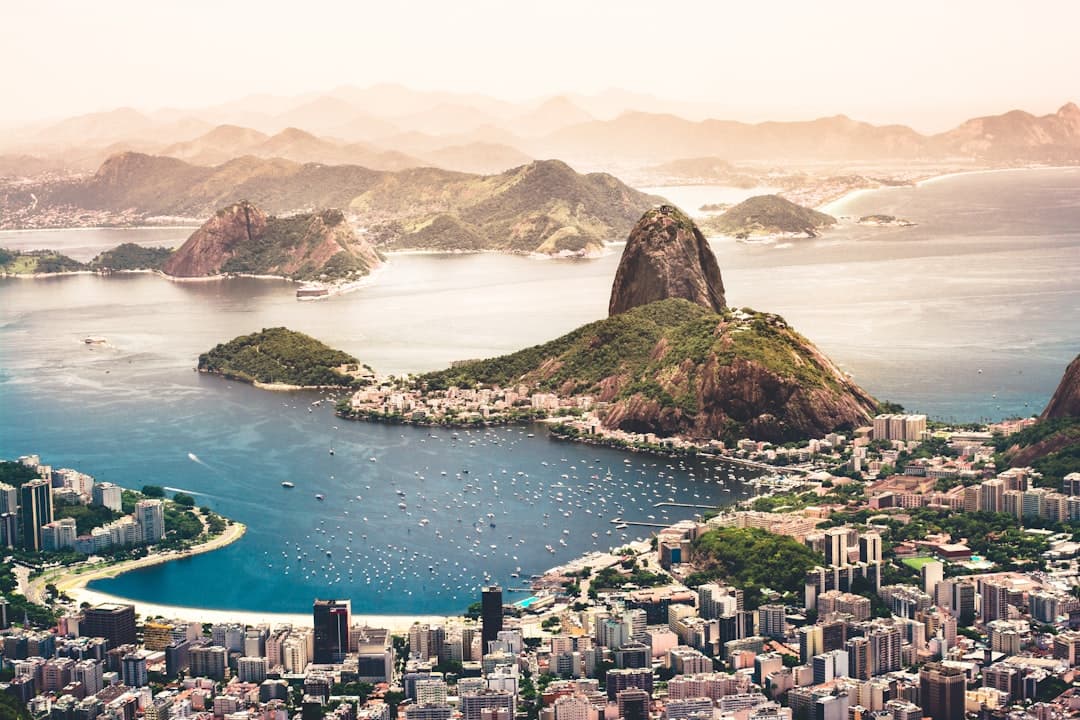
Brazil's coastline, one of the longest in the world, has long been associated with a handful of iconic destinations — Copacabana, Ipanema, and Florianópolis among them. In recent years, however, a broader stretch of the country's Atlantic shore has begun attracting visitors seeking less crowded and more ecologically intact environments.
The Northeast Leads the Shift
The northeastern region of Brazil has emerged as a focal point of this growing travel interest. States such as Ceará, Rio Grande do Norte, Piauí, and Maranhão offer a combination of warm waters, consistent trade winds, and relatively undisturbed natural landscapes. The Lençóis Maranhenses National Park, a vast system of white sand dunes and seasonal freshwater lagoons located in Maranhão, has gained recognition in international travel media and has seen increased visitor numbers in recent years.
The coastal town of Jericoacoara in Ceará, once accessible only by sand tracks and boat, is now reachable by paved road and has developed a modest but established tourism infrastructure. It continues to attract windsurfers and kitesurfers due to its reliable wind conditions, which are recognized in international sport and leisure travel circuits.
The Discovery Coast and the South
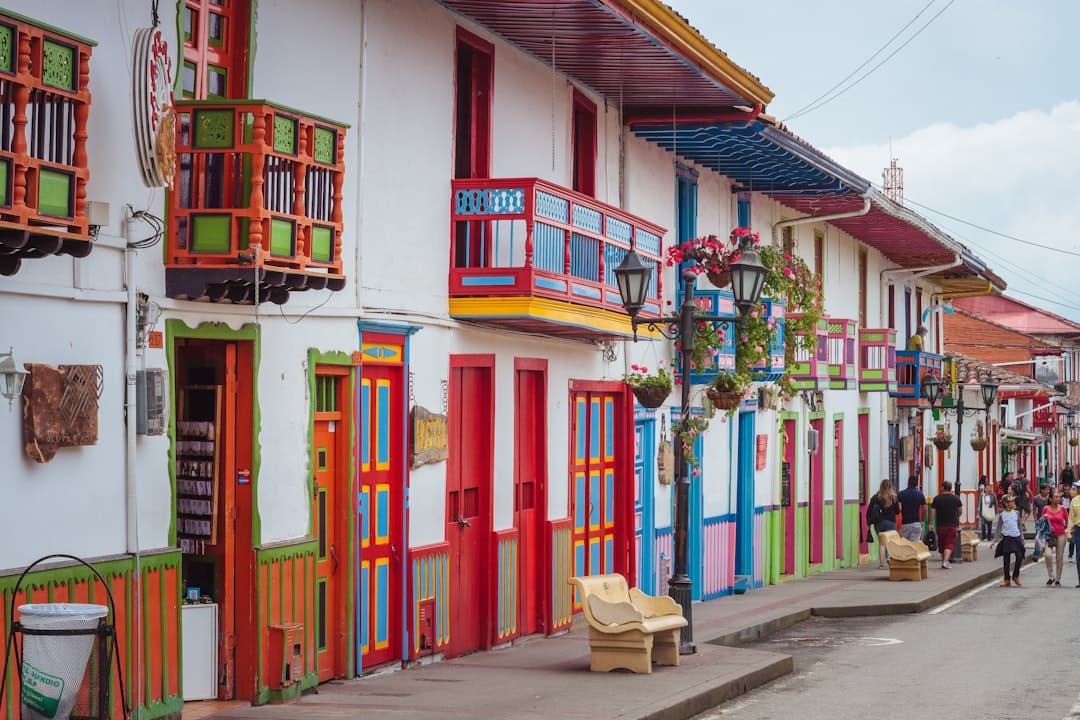
The so-called Costa do Descobrimento, or Discovery Coast, along the southern portion of the state of Bahia, encompasses areas such as Trancoso, Arraial d'Ajuda, and Caraíva. These towns are characterized by colonial-era architecture, low-density development, and proximity to Atlantic Forest reserves. The region has attracted boutique tourism investment while maintaining restrictions on large-scale construction in certain protected zones.
In the south, the state of Santa Catarina offers a contrast to the tropical north. Beyond the well-known resort city of Florianópolis, smaller coastal municipalities along the Costa Verde e Mar corridor offer calmer conditions suited to families and travelers seeking less commercialized beach experiences. The region benefits from comparatively cooler temperatures during the Southern Hemisphere summer.
Infrastructure and Accessibility Remain Key Factors
Access continues to shape which destinations experience tourism growth. Many of Brazil's most remote coastal areas remain difficult to reach due to limited road networks and infrequent air connections. Domestic carriers have expanded regional routes in recent years, which has made some previously isolated areas more viable for short-stay visitors.
The Brazilian government, through agencies such as Embratur — the country's national tourism authority — has promoted lesser-known destinations as part of broader efforts to distribute tourism revenue more evenly across the national territory. Several coastal municipalities have also developed local tourism secretariats to manage visitor flows and promote regional identity.
Environmental Considerations
The growth of tourism in ecologically sensitive coastal zones raises ongoing concerns among conservation organizations. Portions of Brazil's northeastern and southern coastlines fall within or adjacent to protected areas, including marine reserves and Atlantic Forest remnants. Responsible tourism frameworks and environmental licensing requirements govern development in many of these zones, though enforcement capacity varies significantly by state and municipality.
Turtle nesting sites along the northeastern coast, managed in part through the Tamar Project — a long-running federal conservation program — attract ecotourism interest while also requiring visitor management protocols to minimize disturbance to nesting activity.
Open Questions
How will increased accessibility to remote coastal areas affect local ecosystems and traditional fishing communities? Which state governments will invest in sustainable infrastructure to support tourism without accelerating overdevelopment? And as international awareness of Brazil's lesser-known shores grows, will conservation frameworks keep pace with the demand?
Sources: Embratur (Brazilian Tourism Board), IBGE (Brazilian Institute of Geography and Statistics), ICMBio (Chico Mendes Institute for Biodiversity Conservation), Projeto Tamar, Brazilian Ministry of Tourism public communications.
This article was compiled with the support of advanced research technology, based on multiple verified sources, and reviewed by our editorial team.