The mountain chain stretching along South America's western spine has become one of the world's most sought-after destinations for adventure travelers. From the cloud forests of Colombia's Cocora Valley to the Patagonian ice fields of southern Chile and Argentina, the Andes offer a diverse range of terrain that attracts trekkers, climbers, cyclists, and white-water enthusiasts from across the globe.
A Region of Varied Offerings
Each Andean country has developed a distinct identity within the adventure tourism market. Peru's Inca Trail and the broader Cusco region remain anchor destinations, drawing visitors to high-altitude trekking routes that connect pre-Columbian archaeological sites. Bolivia's Salar de Uyuni salt flat and the Death Road cycling descent near La Paz have established the country as a destination for travelers seeking both natural spectacle and adrenaline-oriented activities.
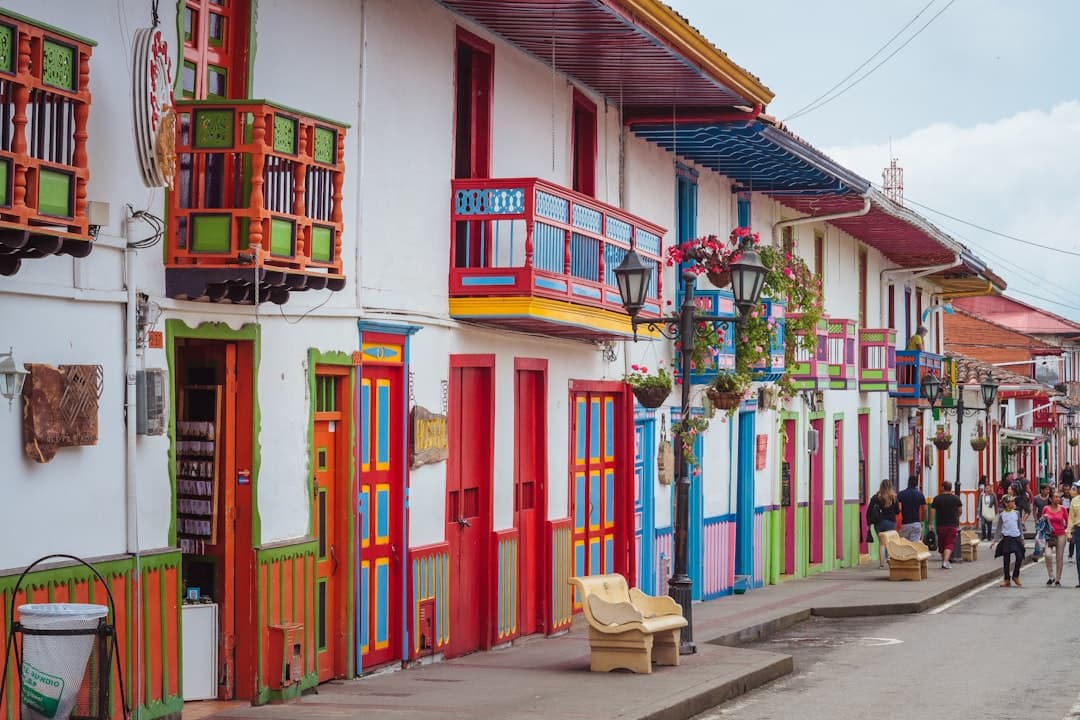
Ecuador, positioned directly on the equator, offers access to active volcanoes including Cotopaxi and Chimborazo, as well as jungle river systems that descend from the Andean highlands into the Amazon basin. Colombia has repositioned itself significantly as a tourism destination, with regions such as El Cocuy National Park and the coffee-growing Eje Cafetero attracting outdoor travelers who previously overlooked the country.
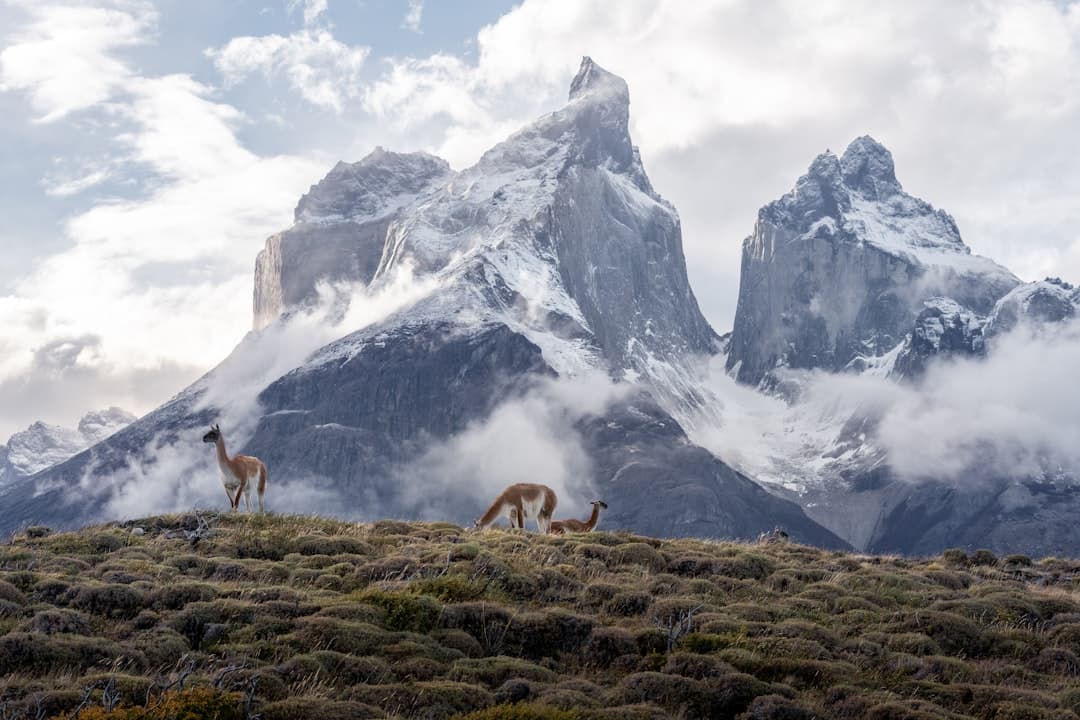
Chile and Argentina share the Patagonia region, which has grown into one of the most recognized adventure travel zones on earth. Torres del Paine National Park in Chile and Los Glaciares National Park in Argentina anchor a circuit that draws long-distance hikers and mountaineers, particularly during the Southern Hemisphere's spring and summer months.
Infrastructure and Accessibility
Improvements in regional infrastructure have played a measurable role in the sector's growth. Expanded air connectivity between major Andean cities and international hubs has reduced travel time for visitors arriving from North America, Europe, and Asia. Several Andean governments have invested in trail systems, mountain huts, and guiding certification programs, raising safety standards and lengthening the tourism season.
National parks across the region have implemented permit and quota systems for high-traffic routes, a response to environmental pressure created by increased visitor numbers. The Inca Trail, for instance, operates under a long-established permit system administered by Peru's Ministry of Culture, which limits daily entries to reduce ecological impact on the route and surrounding archaeological zones.
Economic and Community Dimensions
Adventure tourism has created economic opportunities for rural and indigenous communities living near high-demand destinations. Local guiding associations, porter cooperatives, and community-run lodges have formed in areas adjacent to popular routes, allowing residents to participate directly in the tourism economy. Organizations such as the Adventure Travel Trade Association have documented the link between community-based tourism models and conservation outcomes in mountain environments.
The sector also presents ongoing challenges. Waste management on remote trekking routes, altitude-related medical emergencies, and the environmental footprint of high visitor volumes require sustained attention from park administrators and operators. Several protected areas have introduced stricter regulations on single-use plastics and waste removal requirements for expedition operators.
Traveler Profile and Demand Trends
Research from global tourism bodies indicates that adventure travelers tend to stay longer, spend more on local services, and return to destinations at higher rates than conventional tourists. The demographic seeking Andean adventure experiences has broadened in recent years, with multi-generational family groups and older travelers increasingly present alongside the younger backpacker demographic that historically defined the market.
Demand for guided experiences with environmental and cultural education components has grown alongside interest in physically demanding itineraries, suggesting a convergence between adventure tourism and the broader sustainable travel movement.
Open Questions
How will Andean nations balance growing visitor demand with long-term environmental conservation in fragile high-altitude ecosystems? Will regional governments develop a coordinated cross-border framework for adventure tourism standards and trail management?
Sources: Adventure Travel Trade Association (ATTA), Peru Ministry of Culture, UNESCO World Heritage documentation for Andean sites, World Tourism Organization (UNWTO) regional reports, national park administrations of Chile, Argentina, Peru, Bolivia, Ecuador, and Colombia.
This article was compiled with the support of advanced research technology, based on multiple verified sources, and reviewed by our editorial team.