Few destinations on Earth carry the geographic and cultural weight of Patagonia. Shared between Argentina and Chile, the region spans glaciers, steppes, fjords, and mountain ranges that collectively form one of the largest and least-disturbed wilderness areas in the Western Hemisphere. In 2026, that distinction remains one of its most powerful draws.
A Landscape Shaped by Extremes
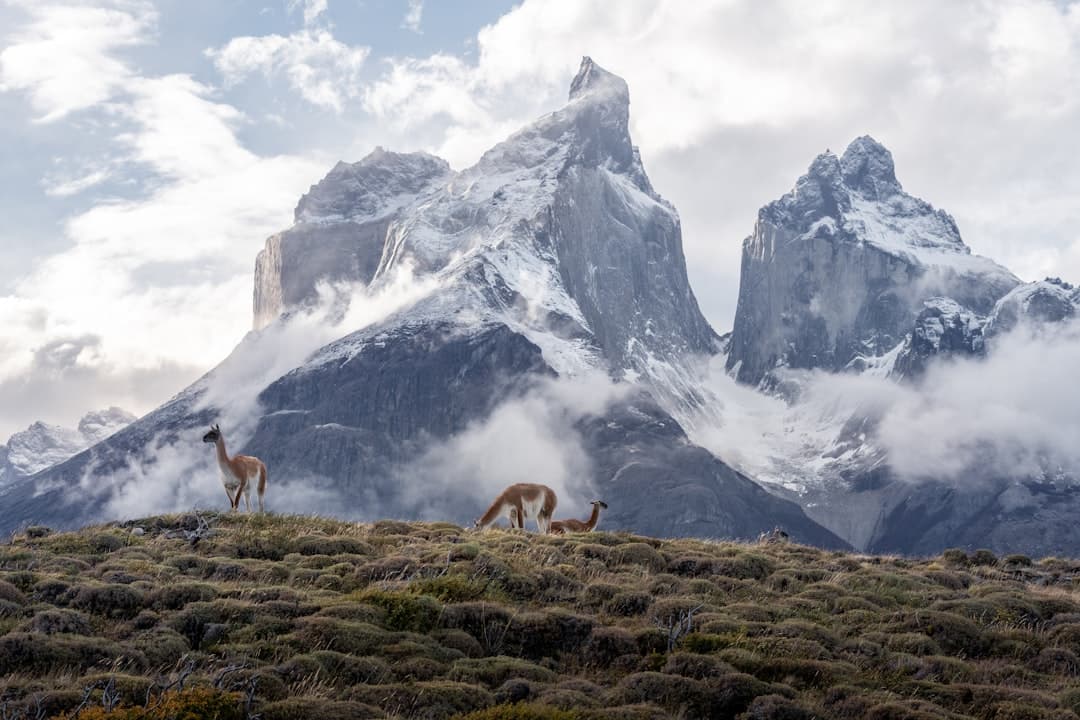
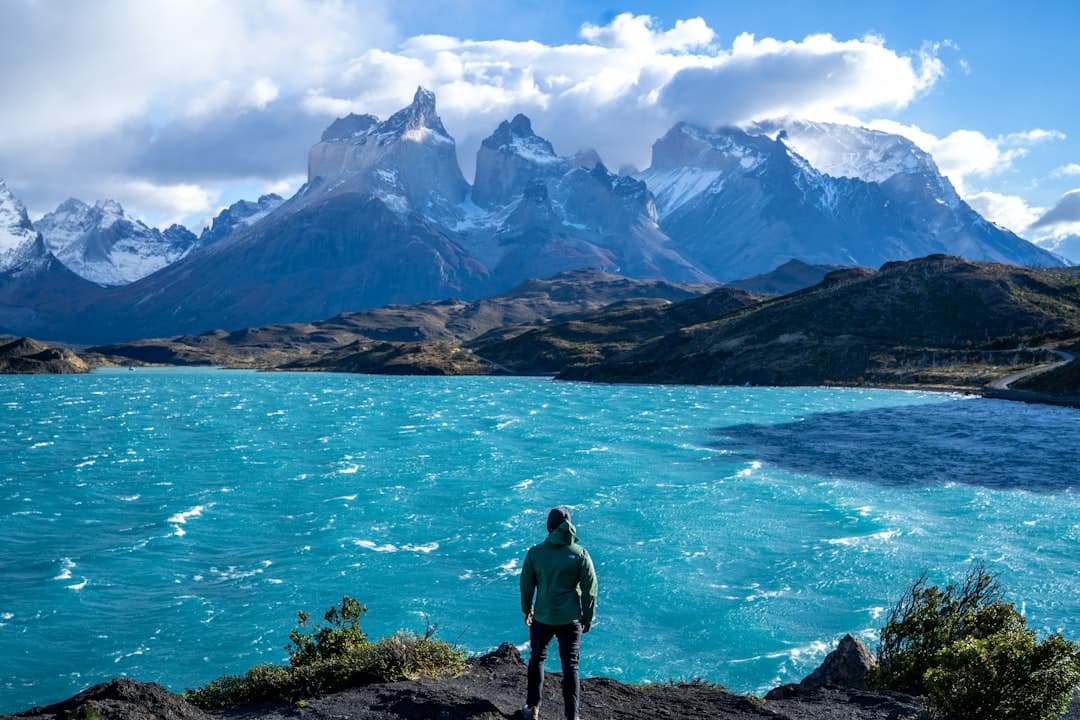
Patagonia's terrain is defined by contrast. In Argentina, the vast open steppe of Santa Cruz province gives way to the vertical granite towers of Los Glaciares National Park, a UNESCO World Heritage Site that encompasses the Perito Moreno Glacier — one of the few glaciers in the world not currently in retreat. On the Chilean side, Torres del Paine National Park offers a dense network of trekking circuits that range from multi-day backcountry routes to day hikes accessible to a broad range of fitness levels.
These protected areas form the backbone of regional tourism. Both countries have expanded national park boundaries and conservation corridors over the past decade, a trend that has strengthened Patagonia's appeal among travelers specifically seeking intact ecosystems and wildlife encounters. Species such as the Andean condor, puma, guanaco, and southern right whale can be observed within or adjacent to protected zones.
Infrastructure and Accessibility
Historically, Patagonia's remoteness was considered a barrier to mass tourism. Improved air connections to cities such as Punta Arenas, Ushuaia, El Calafate, and Coyhaique have shifted that dynamic considerably. Regional carriers and international airlines have added or maintained routes that reduce travel time from major South American hubs, making the region more accessible without undermining its character as a frontier destination.
Ground infrastructure has followed. Road improvements along Argentina's Ruta 40 and Chile's Carretera Austral — the latter a legendarily rugged highway stretching through Chilean Patagonia — have broadened overland travel options. The expansion of boutique lodges and eco-lodges, particularly in areas surrounding Torres del Paine and the Lake District, reflects sustained investor confidence in regional tourism demand.
The Ecotourism Factor
Patagonia has become a reference point in global discussions around sustainable and low-impact travel. Both the Argentine and Chilean governments have incorporated ecotourism frameworks into national development plans, encouraging operators to adopt practices that minimize environmental impact. Trekking permit systems, visitor quotas in sensitive corridors, and waste management protocols have been implemented across major parks to manage foot traffic during peak seasons.
This regulatory environment aligns with a broader shift in international travel preferences. Research consistently shows that a growing segment of global travelers prioritizes destinations with visible conservation credentials and authentic natural experiences — criteria Patagonia meets in measurable ways.
Cultural and Culinary Dimensions
Beyond its landscapes, Patagonia offers a cultural layer often overlooked in traditional travel coverage. Indigenous Mapuche and Tehuelche heritage is preserved and promoted through community tourism initiatives in several provinces. Regional gastronomy — centered on lamb, freshwater fish such as trout and pejerrey, and local wines from Patagonian vineyards — has gained recognition in international food media, adding another dimension to the visitor experience.
The towns of Bariloche and Puerto Natales serve as logistical gateways and cultural hubs, each with established restaurant scenes, artisan markets, and interpretive centers that contextualize the surrounding environment for arriving visitors.
Seasonality and Planning Considerations
Patagonia's austral summer, running roughly from November through March, constitutes the primary travel window. Wind conditions, particularly in Chilean Patagonia, can be severe year-round and are a standard planning consideration. The shoulder months of November and March increasingly attract visitors seeking reduced crowds while maintaining reasonable weather windows — a pattern that operators and park authorities have begun to formally accommodate through adjusted pricing and programming.
Open Questions
How will climate variability affect glacier tourism in coming decades? Can visitor quota systems scale without reducing economic benefit to local communities? What role will cross-border conservation agreements play in long-term ecosystem management?
Sources: UNESCO World Heritage List; Argentina's Administración de Parques Nacionales (APN); Chile's Corporación Nacional Forestal (CONAF); World Tourism Organization (UNWTO) regional reports; Argentine Ministry of Tourism and Sports; Chilean Subsecretaría de Turismo.
This article was compiled with the support of advanced research technology, based on multiple verified sources, and reviewed by our editorial team.