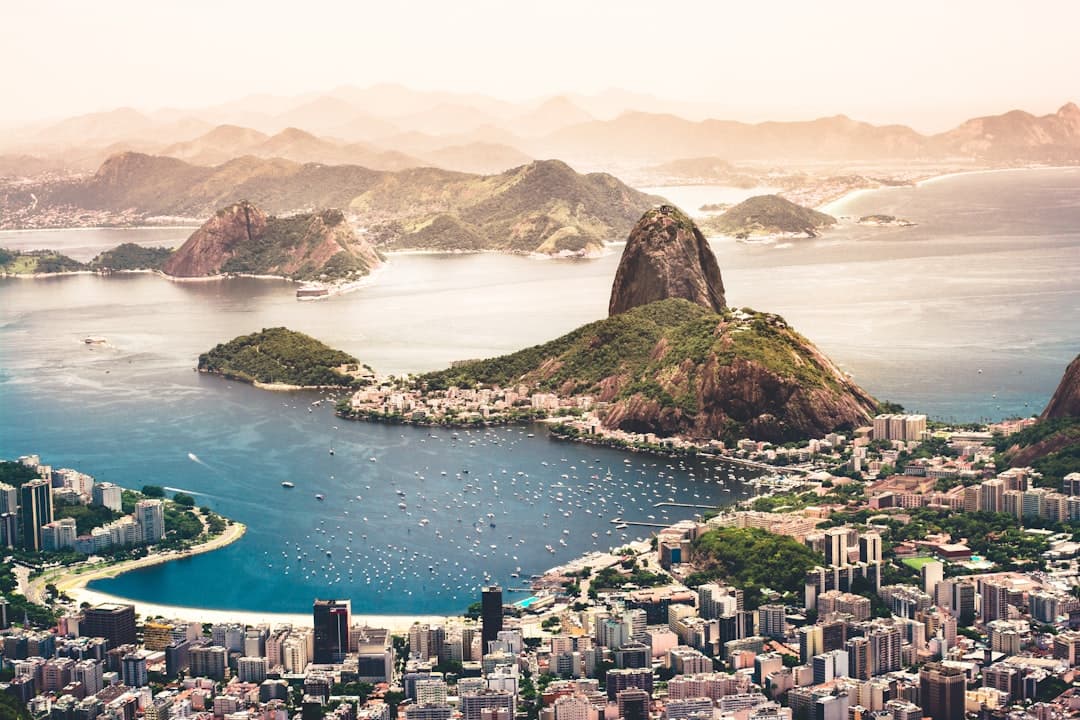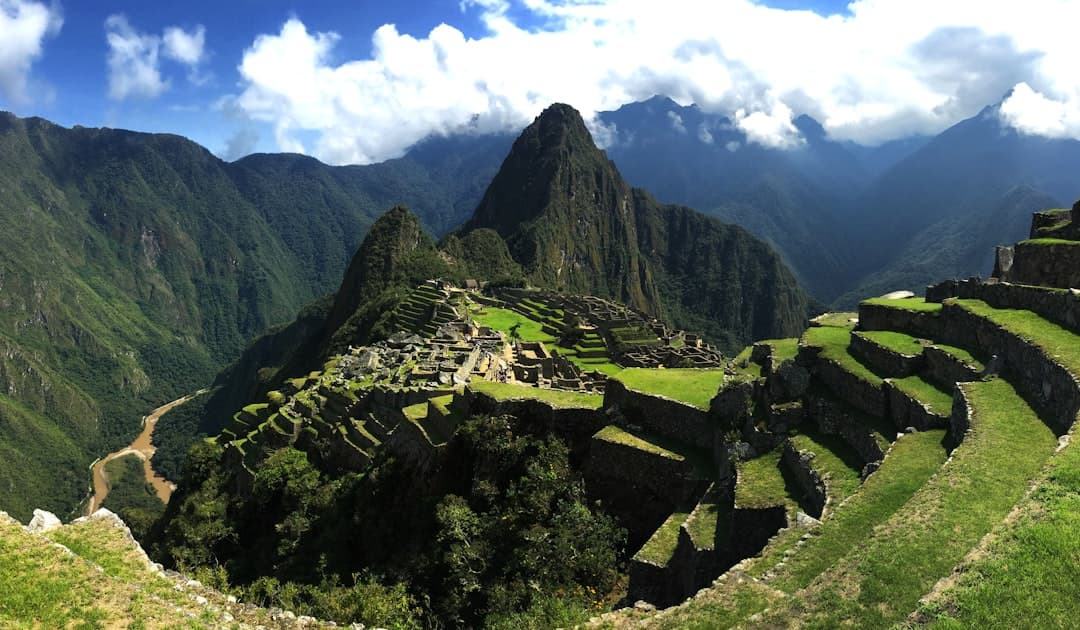
For decades, South America's tourism landscape was largely defined by a handful of marquee destinations — Machu Picchu in Peru, the Iguazú Falls straddling Argentina and Brazil, and the beaches of Rio de Janeiro. That pattern is shifting. Travelers are increasingly seeking out destinations that sit outside these well-worn corridors, drawn by lower costs, reduced crowds, and experiences that feel less commercialized.
The Destinations Gaining Ground
Among the regions attracting attention is Bolivia's Pantanal extension and the Llanos de Moxos, one of the largest tropical savannahs in the world. Long known primarily to wildlife researchers and ecotourism specialists, the area has seen growing interest from travelers seeking encounters with jaguars, giant river otters, and migratory bird populations.
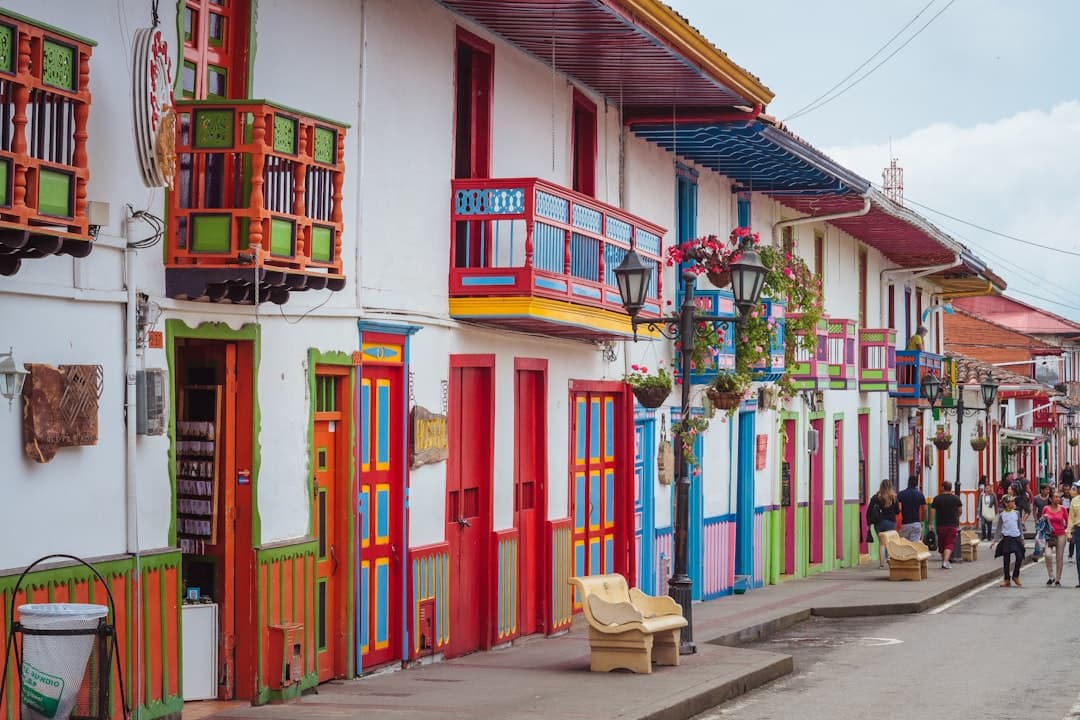
In Colombia, the Coffee Region — known locally as the Eje Cafetero — has expanded its profile well beyond domestic tourism. Towns such as Salento and Jardín have become reference points for visitors interested in agricultural heritage, cloud forest trails, and the cultural traditions surrounding coffee cultivation. Colombia's improved security conditions over the past decade have made previously inaccessible areas reachable for international travelers.
Ecuador's interior, particularly the city of Cuenca and the surrounding Cajas National Park, has drawn recognition for its well-preserved Spanish colonial architecture and high-altitude wetlands. Cuenca holds UNESCO World Heritage status, a designation that has contributed to its visibility among culturally oriented travelers.
In Argentina, the northwestern province of Jujuy — including the Quebrada de Humahuaca, also a UNESCO site — has seen an uptick in visitor numbers. The region's polychrome rock formations, pre-Columbian history, and proximity to the salt flats of the Puna plateau offer a markedly different experience from the country's Patagonian south.
Infrastructure and Accessibility as Drivers
Improvements in regional air connectivity have played a meaningful role in this shift. Low-cost carriers operating within South America have expanded their route networks, making it more practical to combine multiple destinations in a single trip without routing through major hub cities. Road improvements in several Andean nations have also reduced travel times to remote areas.
The growth of community-based tourism initiatives has provided another layer of accessibility. In Peru's Lake Titicaca region and in the Amazon communities of Brazil and Ecuador, locally managed lodges and guided experiences have created entry points for visitors who would not otherwise have the contacts or logistical support to reach these areas independently.
Environmental and Social Considerations
The surge in interest toward these destinations brings with it a set of challenges that local governments and conservation organizations are actively monitoring. Sites with limited carrying capacity face pressure from increased foot traffic. The Galápagos Islands, while not newly discovered, serve as a cautionary reference point often cited in regional tourism policy discussions regarding the limits of visitor volume.
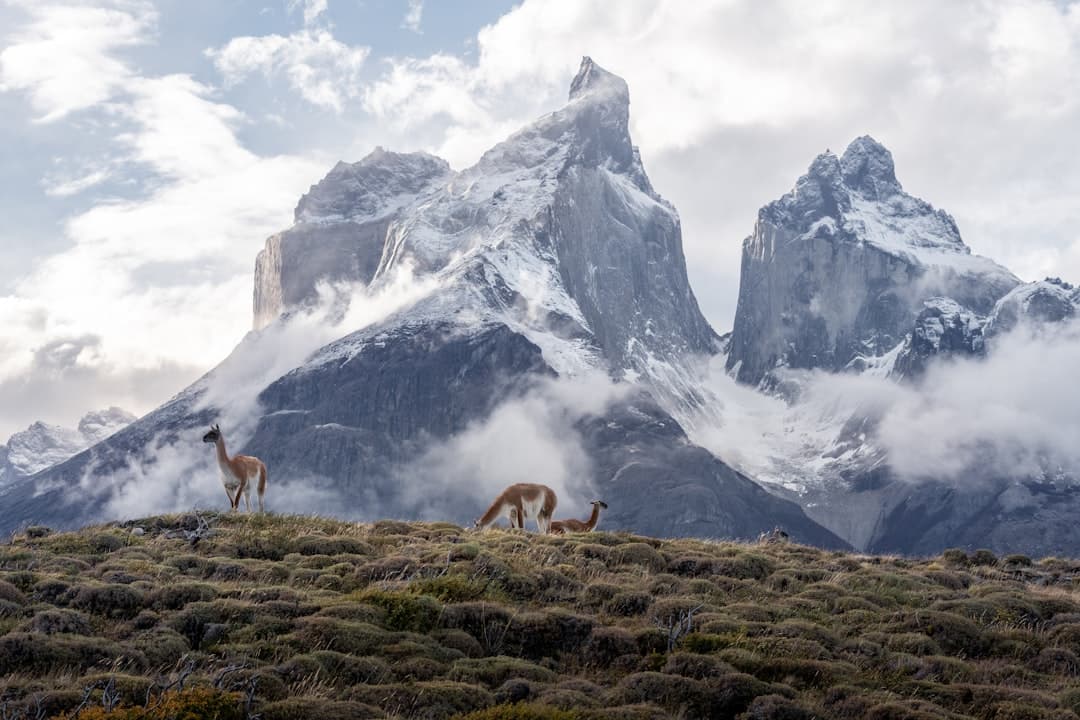
Several South American governments have moved to implement or strengthen visitor management frameworks. Chile's network of national parks, managed through the national agency CONAF, applies entry quotas to sensitive ecosystems such as Torres del Paine. Similar models are being studied for application in other countries across the continent.
The economic dimension of dispersed tourism is also under examination. When visitors travel to secondary destinations, spending that would otherwise concentrate in capital cities and major resort zones is distributed more broadly. This has implications for rural employment, local artisan markets, and small hospitality businesses in areas that have historically had limited access to tourism revenue.
A Broader Regional Pattern
The movement toward lesser-known South American destinations reflects a wider global trend in which travelers, particularly those with prior international experience, actively seek alternatives to overcrowded sites. South America's geographic and cultural diversity — spanning Amazonian rainforest, Andean highlands, Atlantic coastline, Patagonian steppe, and Pacific desert — positions the continent to absorb this demand across a wide range of environments and traveler profiles.
Open Questions
Whether the current infrastructure in emerging destinations can scale to meet growing demand without degrading the qualities that attract visitors remains an open issue. The balance between economic development and environmental preservation is likely to shape regional tourism policy across South America for the foreseeable future.
Sources: UNESCO World Heritage List, CONAF (Chile), Colombia Ministry of Commerce Industry and Tourism, Bolivia's Protected Areas Service (SERNAP), Ecuador Ministry of Tourism.
This article was compiled with the support of advanced research technology, based on multiple verified sources, and reviewed by our editorial team.