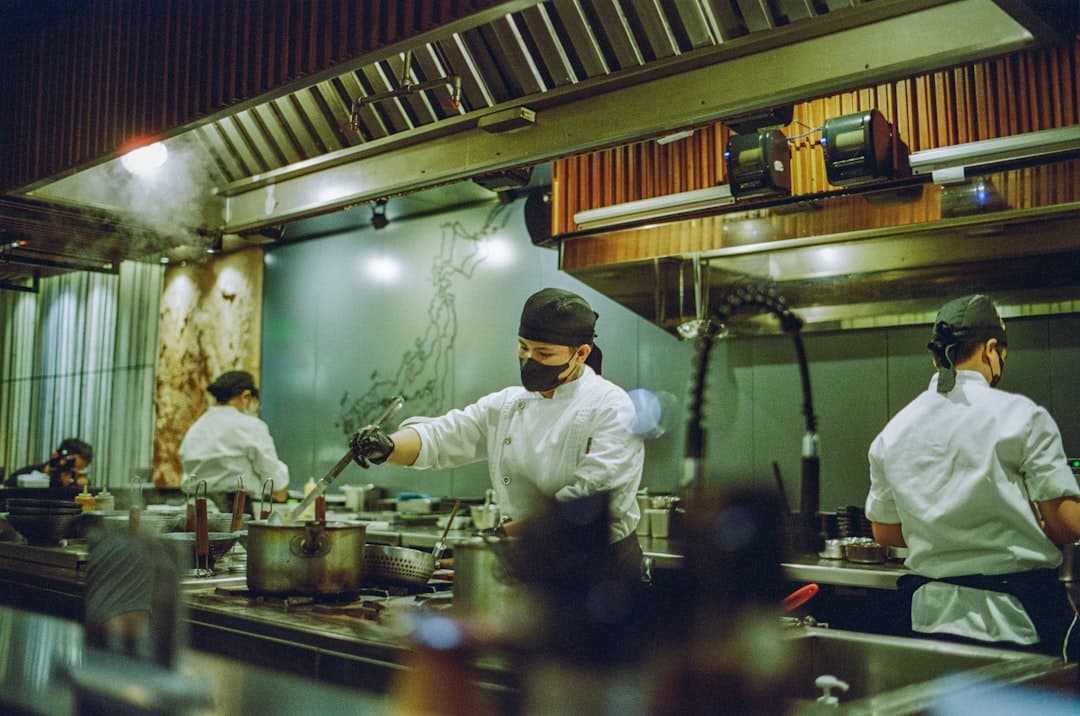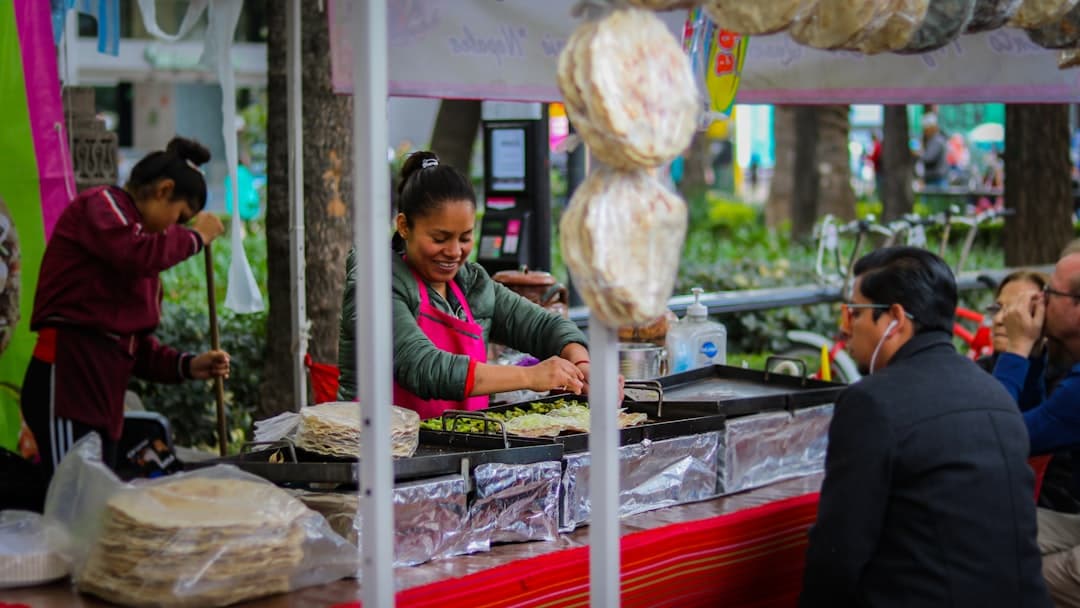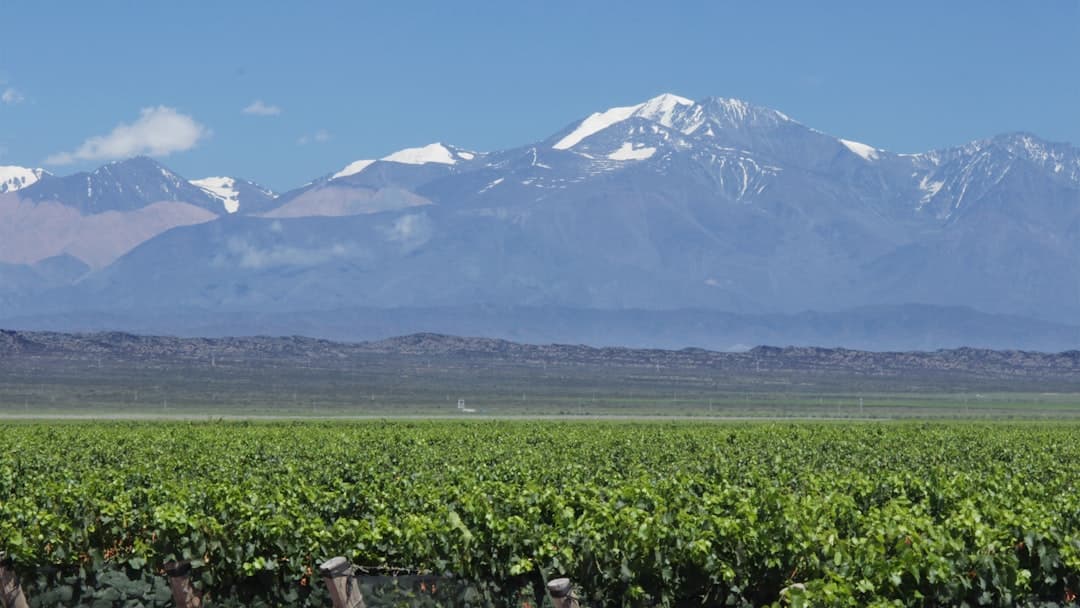
Mendoza, the Argentine province best known for its Malbec vineyards, has steadily built a reputation that extends well beyond the wine glass. The region's culinary identity is rooted in its geography: high-altitude terrain, dry desert climate, and glacial meltwater irrigation systems collectively produce conditions that sustain exceptional agriculture.
A Wine Region That Became a Food Region
The Luján de Cuyo and Maipú valleys, long recognized by international wine bodies as premium viticultural zones, have anchored Mendoza's global profile for decades. As winemaking operations expanded, so did the infrastructure surrounding them. Estate restaurants, harvest festivals, and specialized tasting experiences gradually transformed the province into a multi-day destination rather than a single-stop visit.
Mendoza's olive oil production also carries significant weight in Argentine gastronomy. The province accounts for a substantial share of the country's total olive output, and local producers have earned recognition at international competitions for both oil quality and table olive varieties.
Farm-to-Table Before the Term Existed
The concept of sourcing ingredients locally is not new to Mendoza. Smallholder farms operating under traditional acequia irrigation channels have supplied regional markets with stone fruits, garlic, tomatoes, and herbs for generations. Chefs operating in the provincial capital and in rural wine country have formalized these supply relationships into structured menus that shift with the seasons.
Infrastructure Supporting Culinary Tourism
The province has developed organized wine routes — most notably the Caminos del Vino network — that connect visitors to bodegas, artisan producers, and restaurants across multiple municipalities. International culinary publications and travel organizations have repeatedly listed Mendoza among South America's essential food destinations, reinforcing its standing without reliance on any single establishment or chef.
Argentina's broader economic fluctuations have periodically made Mendoza an attractive destination for foreign travelers due to favorable exchange conditions, though the region's culinary draw operates independently of currency dynamics.
Open Questions
How will climate change affecting Andean snowpack influence the irrigation systems that underpin Mendoza's agricultural output? Can the province diversify its culinary identity further without diluting the Malbec-centric brand that drives international recognition?
Sources: Wines of Argentina (winesofargentina.org), Instituto Nacional de Vitivinicultura (inv.gov.ar), Argentine Olive Oil Chamber, World's Best Vineyards rankings, Lonely Planet South America guides.
This article was compiled with the support of advanced research technology, based on multiple verified sources, and reviewed by our editorial team.