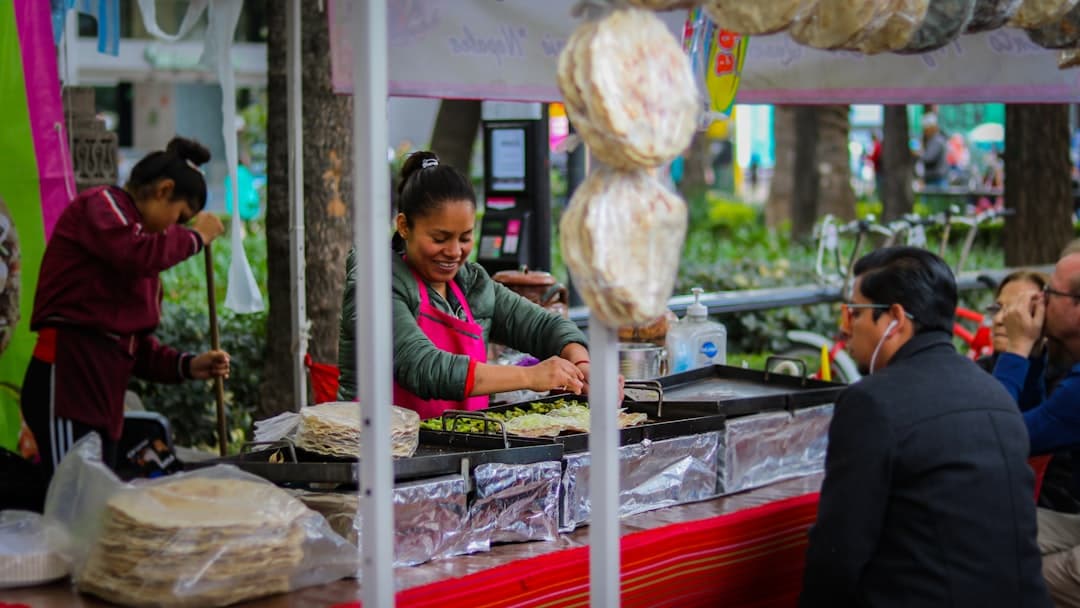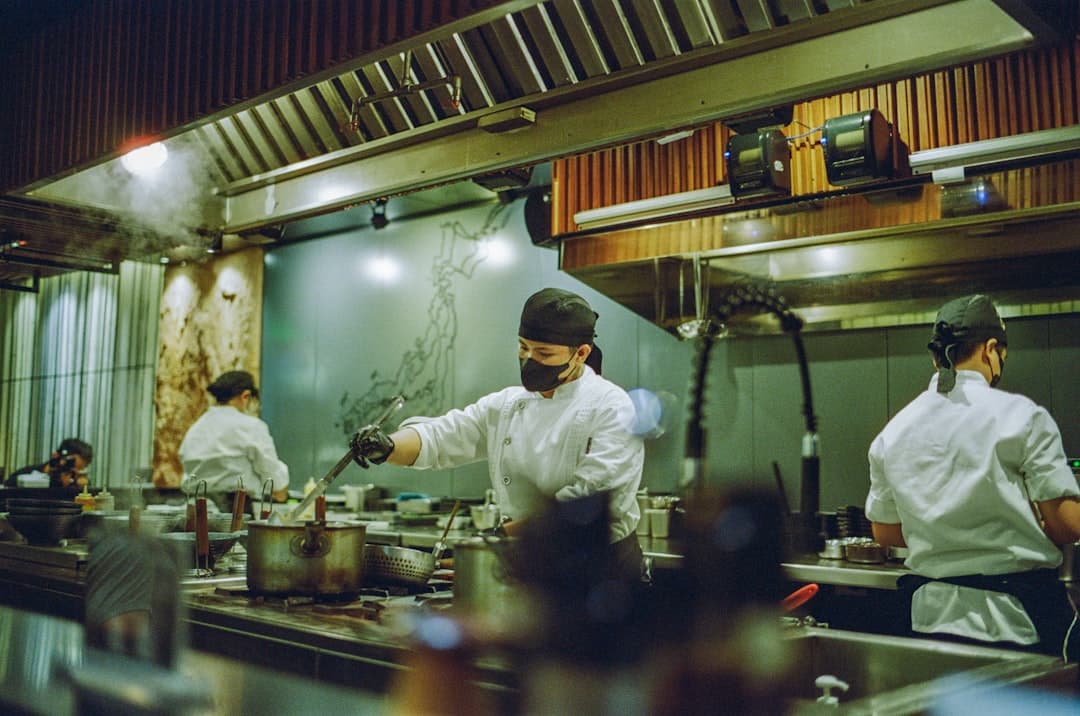
Across Colombia's major urban centers — Bogotá, Medellín, and Cartagena — a generation of trained chefs has begun reimagining the country's culinary heritage through the lens of contemporary fine dining. Dishes rooted in pre-Columbian and Afro-Colombian traditions, long associated with home kitchens and market stalls, are appearing on tasting menus in upscale restaurants that have drawn international attention.
Ingredients at the Center
Native ingredients such as achiote, copoazú, guanábana, and various Andean tubers are being used in preparations that depart from conventional presentations. Chefs are applying modern culinary techniques — among them fermentation, dehydration, and controlled aging — to products that regional communities have cultivated for generations. The sourcing of these ingredients has also become a point of emphasis, with direct relationships between restaurants and small-scale agricultural producers forming a visible part of several establishments' identities.
Regional Recognition
Colombian restaurants have begun appearing on prominent Latin American and global restaurant rankings with greater frequency in recent years. Bogotá in particular has emerged as a reference point for the region's evolving food culture, drawing culinary tourism from neighboring countries and beyond. The city's restaurant scene now includes establishments that blend Pacific coast, Amazonian, and highland cooking traditions within single menus.
Cultural Considerations
The movement has generated ongoing discussion within Colombia regarding questions of cultural representation and economic equity. Critics and food scholars have raised concerns about whether the communities whose traditions underpin these dishes benefit materially from their elevated commercial profile. Proponents argue that increased visibility creates sustainable demand for native ingredients and supports rural producers.
A Continental Pattern
Colombia's trajectory mirrors developments seen in Peru, Mexico, and Brazil, where national cuisines have undergone similar reappraisals over the past two decades. Peru's culinary rise, widely documented in food and travel media, is frequently cited as a reference model within regional industry discussions.
Open Questions
How are indigenous and Afro-Colombian communities participating in — or being excluded from — the commercial gains of this culinary shift? Will this trend remain concentrated in major cities, or expand to regional towns?
Sources: Latin America's 50 Best Restaurants (annual rankings), World Food Travel Association regional reports, established food journalism covering Colombian gastronomy.
This article was compiled with the support of advanced research technology, based on multiple verified sources, and reviewed by our editorial team.