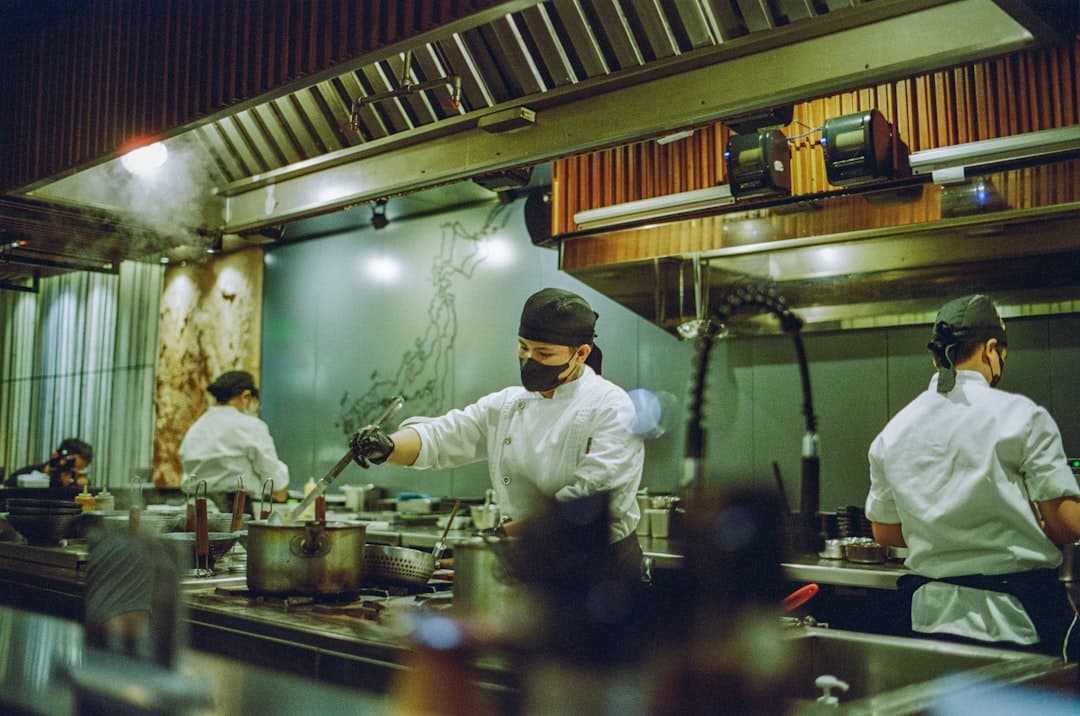
Chile's geography tells much of the story. With more than 6,000 kilometers of Pacific coastline running from the arid Atacama Desert in the north to the glacial channels of Patagonia in the south, the country has access to one of the world's most productive marine environments. Cold Humboldt Current waters running along the Chilean coast support dense concentrations of fish, shellfish, and crustaceans that have sustained coastal populations for generations.
Indigenous Roots of a Marine Culture
Long before Spanish colonization, indigenous peoples including the Mapuche, Chango, and Kawésqar relied heavily on marine resources. Archaeological shell mounds known as conchales, found along the Chilean coast, provide evidence of shellfish consumption dating back thousands of years. These early harvesting traditions established patterns that persist in modern Chilean cooking.
Signature Dishes and Regional Variation
Certain preparations have become closely associated with Chilean culinary identity. Curanto, a dish originating in the Chiloé Archipelago, combines shellfish, meat, and vegetables cooked in an earthen pit, reflecting both indigenous technique and the island region's particular abundance of clams and mussels. Caldillo de congrio, a conger eel broth, holds such cultural significance that Nobel Prize-winning poet Pablo Neruda dedicated an ode to it. Along the northern coast, ceviche-style preparations showcase the influence of raw seafood traditions shared across Pacific South America.
Markets as Cultural Institutions
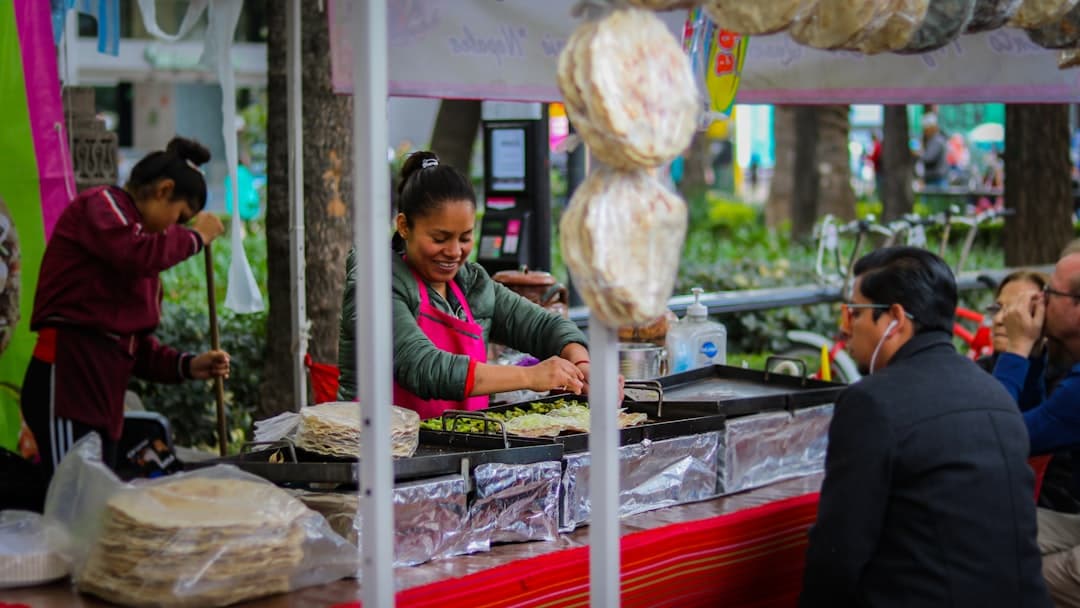
Seafood markets serve as gathering points for local communities and reflect regional availability. The central fish market in Valparaíso and the Puerto Montt waterfront market in the Los Lagos region are among the most recognized venues where fishing communities, vendors, and consumers intersect. These markets function as informal archives of culinary practice, with preparation methods passed through generations of fishing families.
A Living Tradition Under Pressure
Environmental changes, shifting fish populations, and expanded aquaculture operations have altered the landscape of Chilean seafood production significantly in recent decades. The farmed salmon industry, centered in southern Chile, has grown into a major export sector, while traditional artisanal fishing communities continue to operate under increasing regulatory and environmental constraints.
Open Questions
How will climate-related changes to the Humboldt Current affect the long-term availability of the species most central to Chilean culinary heritage? Can industrial aquaculture and artisanal fishing traditions coexist sustainably along the same coastline?
Sources: FAO fisheries country profiles, Chilean Ministry of Agriculture and Fisheries documentation, UNESCO intangible cultural heritage records, academic literature on Chiloé culinary traditions, Chilean national library historical archives.
This article was compiled with the support of advanced research technology, based on multiple verified sources, and reviewed by our editorial team.