Chile has established itself as one of South America's most compelling destinations for travelers drawn by gastronomy and viticulture. The country's wine industry, centered in valleys such as Maipo, Colchagua, and Casablanca, produces internationally recognized varieties including Carménère, Cabernet Sauvignon, and Sauvignon Blanc. These regions have developed structured wine tourism infrastructure, including vineyard tours, tasting rooms, and boutique lodges that attract visitors from North America, Europe, and Asia.
Wine Regions Drive International Interest
The Casablanca Valley, located between Santiago and the port city of Valparaíso, has gained particular recognition for its cool-climate white wines. The region's proximity to the Pacific Ocean creates conditions that winemakers and sommeliers have associated with distinctive acidity and aromatic profiles. Several Chilean producers have received recognition from international wine publications, contributing to broader awareness of the country's output.
Santiago's Food Scene Gains Ground
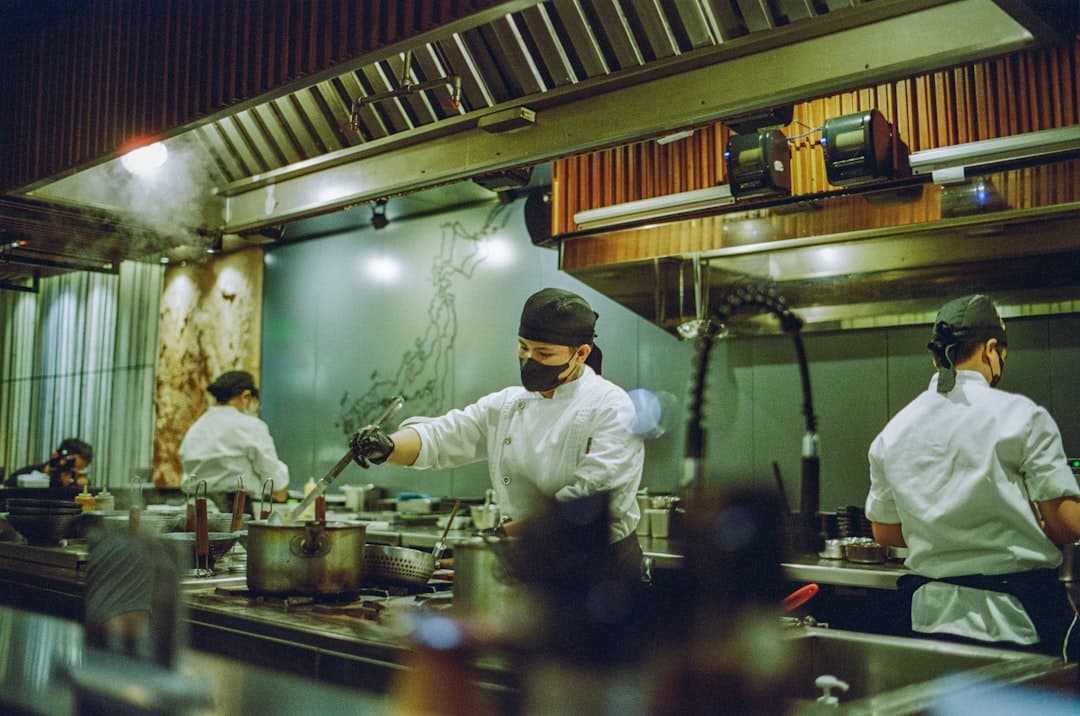
Chile's capital, Santiago, has seen a measurable expansion of its restaurant sector over the past decade. The Lastarria and Barrio Italia neighborhoods have become focal points for dining establishments that draw on both traditional Chilean ingredients and contemporary cooking techniques. Chilean cuisine incorporates seafood from one of the world's longest coastlines, alongside produce from fertile central valley farmland.
Regional Diversity Adds to the Appeal
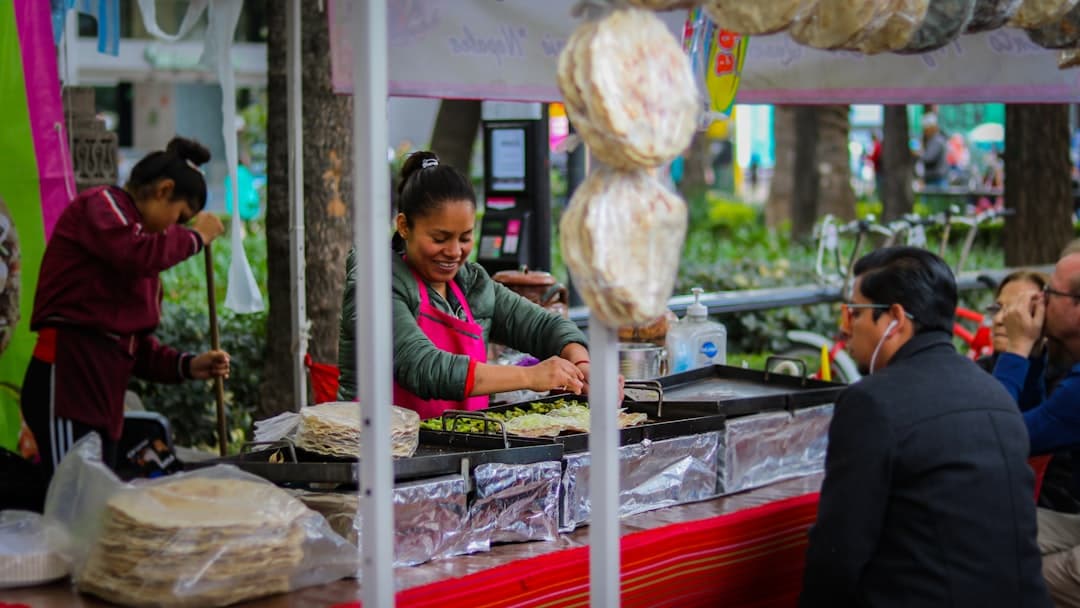
Beyond Santiago, destinations such as the Elqui Valley in the north — known for pisco production — and the lake districts of southern Chile offer additional food and drink experiences tied to local traditions. The southern region's Mapuche culinary heritage has attracted interest from chefs and food writers internationally, bringing attention to indigenous ingredients and preparation methods that had been largely outside mainstream tourism.
Chile's combination of accessible infrastructure, geographic variety, and a maturing hospitality sector continues to draw attention from international travel media and culinary tourism operators.
Open Questions
How will climate change affect Chile's wine-producing valleys in coming decades? Can smaller regional food traditions scale to meet international tourism demand without losing cultural authenticity?
Sources: Wine Institute, Wines of Chile, Chilean Tourism Board (SERNATUR), World Travel & Tourism Council general regional reports.
This article was compiled with the support of advanced research technology, based on multiple verified sources, and reviewed by our editorial team.