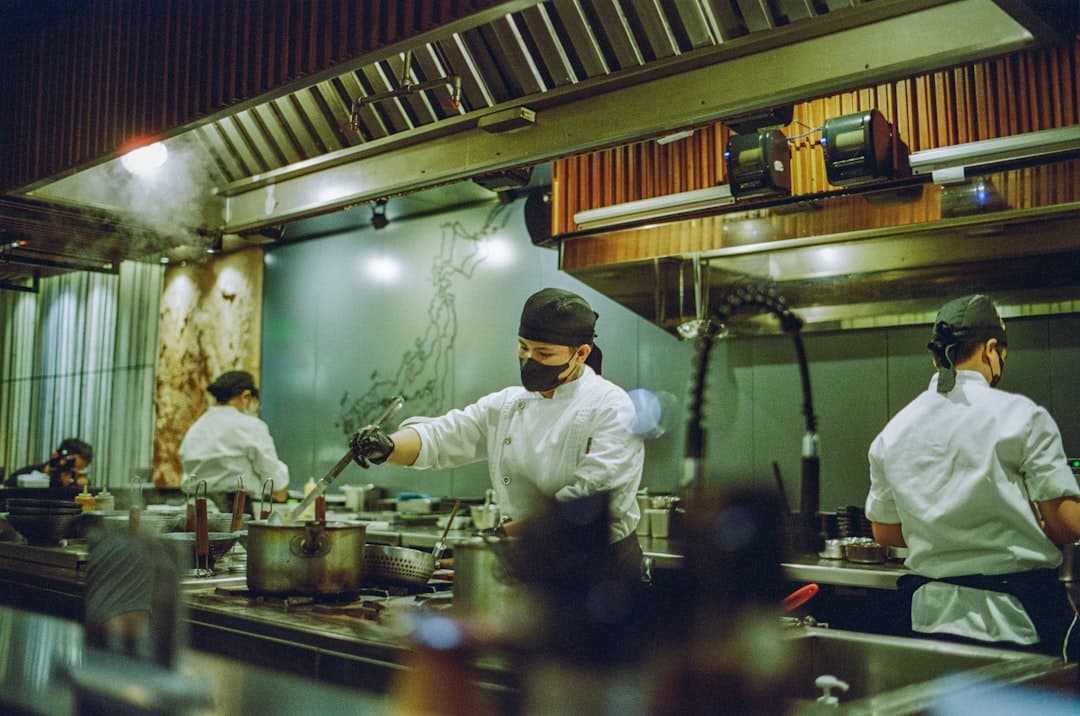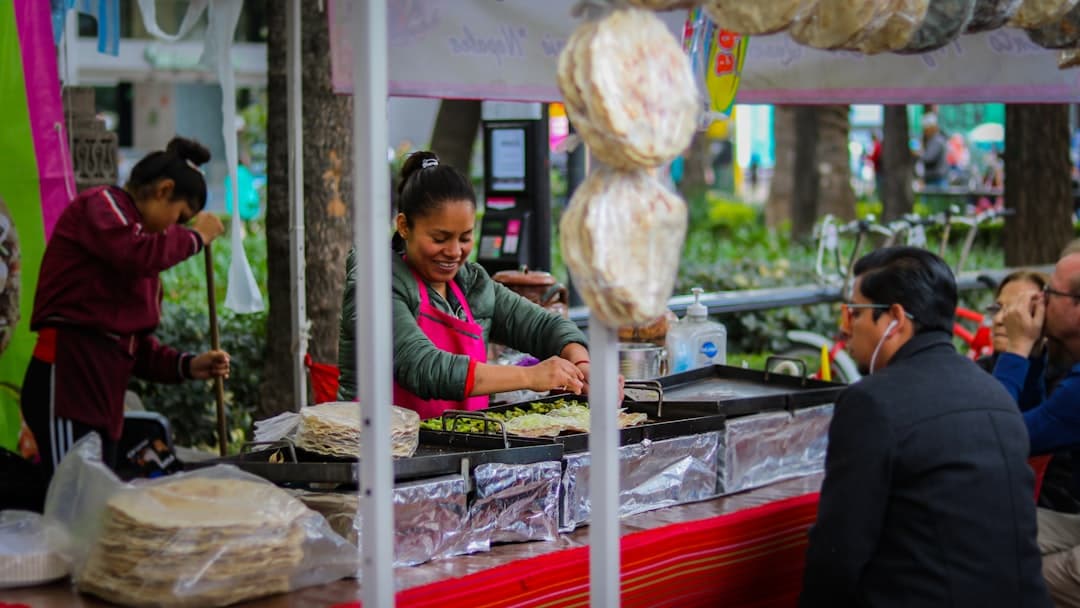
Colombian street food, long a staple of urban life in cities such as Bogotá, Medellín, and Cali, has been steadily gaining visibility in international food markets. Dishes rooted in indigenous, African, and Spanish culinary traditions are now appearing in food halls, specialty restaurants, and street festivals far from their origins.
Foods Leading the Expansion
Among the most recognized exports of Colombian street food culture is the arepa — a grilled or fried corn cake that can be served plain or filled with cheese, meat, or eggs. The empanada, a stuffed pastry typically filled with potatoes and seasoned meat, has similarly crossed borders. Fried snacks such as chicharrón and buñuelos have also attracted attention from food enthusiasts abroad.
The bandeja paisa, a hearty platter combining beans, rice, ground meat, plantain, and egg, is increasingly featured in Colombian restaurants operating in major metropolitan areas across the United States, Spain, and the United Kingdom.
Diaspora Communities as Cultural Carriers
Colombian communities living outside the country have played a central role in introducing these food traditions to new audiences. Colombian-owned restaurants and food stalls in cities such as Miami, New York, London, and Madrid have served as entry points for local populations unfamiliar with the cuisine.
Food tourism platforms and culinary media have contributed to wider awareness, with Colombian destinations appearing on internationally recognized food guides and travel publications.
Industry and Cultural Context
The rise of Latin American cuisine in global food culture has created favorable conditions for Colombian specialties. Regional gastronomy festivals and international food expos have provided platforms for Colombian chefs and vendors to present traditional preparations to new markets.
Colombian food authorities and export promotion agencies have also engaged in efforts to position the country's culinary heritage as part of broader cultural diplomacy and tourism initiatives.
Open Questions
Whether sustained international demand will lead to wider commercial distribution of Colombian food products remains to be seen. Questions also persist around how traditional recipes adapt — or change — when prepared outside their cultural context.
Sources: Colombia's ProColombia export and tourism agency (procolombia.co); UNESCO intangible cultural heritage documentation on Latin American food traditions; reporting from international culinary publications including Food & Wine and Eater.
This article was compiled with the support of advanced research technology, based on multiple verified sources, and reviewed by our editorial team.