Across South America, a measurable shift is reshaping how restaurants source their ingredients. From the high-altitude markets of Peru to the sprawling urban dining scenes of São Paulo and Buenos Aires, chefs and restaurateurs are increasingly bypassing conventional distribution networks in favor of direct partnerships with local and regional producers.
A Continental Pattern with Local Roots
The movement draws on each country's distinct agricultural heritage. In Peru, restaurants have built menus around native potato varieties, Andean grains such as quinoa and kiwicha, and fresh seafood sourced from Pacific coastal communities. The country's biodiversity — one of the highest on the planet — has made it a natural anchor for farm-to-table practices, and Lima has developed an international reputation as a culinary destination closely tied to that identity.
In Brazil, the farm-to-table model has expanded into major cities as well as smaller interior towns, where local chefs work with family farms to feature seasonal produce from the Cerrado and the Atlantic Forest biomes. The country's vast agricultural output, historically oriented toward large-scale export commodities, is increasingly complemented by smaller producers catering to specialty and local markets.
Argentina and Chile present their own variations. In both countries, wine regions — Mendoza, Patagonia, the Maipo and Casablanca valleys — have become centers of agritourism and estate dining, where the geographic origin of ingredients is treated as a defining element of the meal. These regions have helped normalize the concept of terroir in food as well as wine.
Urban Markets and Independent Producers
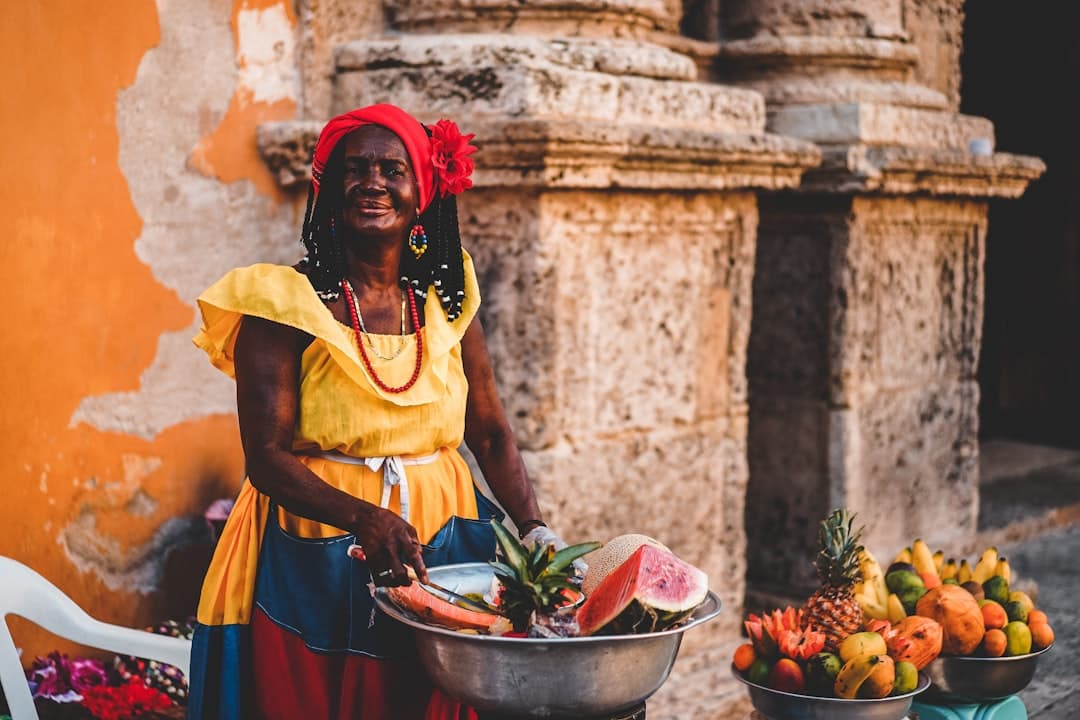
Farmers' markets have grown substantially in major South American cities, serving as logistical bridges between smallholder producers and urban consumers. In cities such as Bogotá, Santiago, Montevideo, and Caracas, weekly and permanent markets have given independent farms access to buyers who would otherwise be unreachable through traditional wholesale channels.
These markets have also influenced restaurant procurement. Chefs who shop directly at markets are able to adjust their menus based on seasonal availability, a practice that was largely absent from restaurant culture in the region several decades ago. The flexibility has encouraged more seasonal and regionally specific menus.
Economic and Agricultural Dimensions
The farm-to-table trend carries economic implications beyond the dining room. When restaurants purchase directly from producers, a larger share of the transaction value remains with the farming household rather than intermediaries. Organizations focused on rural development across the continent have identified this dynamic as a potential tool for improving incomes in agricultural communities.
Several South American governments have also introduced certification programs and labeling standards to verify the geographic and agricultural origin of food products. These frameworks, while varying in scope and enforcement from country to country, have provided a regulatory foundation that supports the credibility of locally sourced claims.
Challenges Facing the Movement
The expansion of farm-to-table dining is not without complications. Supply consistency remains a persistent challenge; small producers often cannot guarantee the volume or year-round availability that a full-service restaurant requires. Cold chain infrastructure gaps in rural areas can limit which products are viable for restaurant use.
Price is another factor. Locally sourced and artisanal products typically carry higher costs than commoditized equivalents, which can restrict farm-to-table dining to higher-income urban consumers. Advocates for equitable food systems have noted the tension between the movement's values and its current accessibility.
Despite these obstacles, the structural conditions driving farm-to-table growth — rising middle-class interest in food provenance, expanding agritourism, and increased awareness of environmental sustainability — appear durable across the region.
Open Questions
Whether farm-to-table practices can scale to benefit smallholder farmers at a meaningful level remains an open question, as does the extent to which regional governments will standardize certification frameworks that allow consumers to verify locally sourced claims with confidence.
Sources: Food and Agriculture Organization of the United Nations (FAO), PromPerú (Peru's export and tourism promotion agency), Embrapa (Brazilian Agricultural Research Corporation), general trade and culinary industry reporting.
This article was compiled with the support of advanced research technology, based on multiple verified sources, and reviewed by our editorial team.