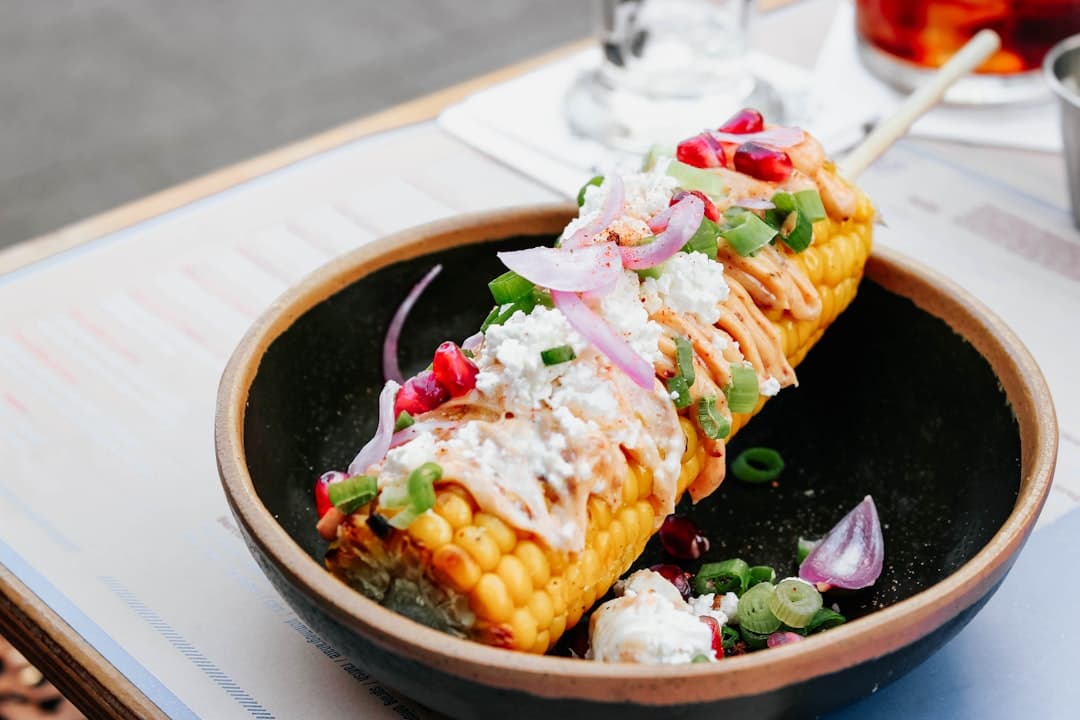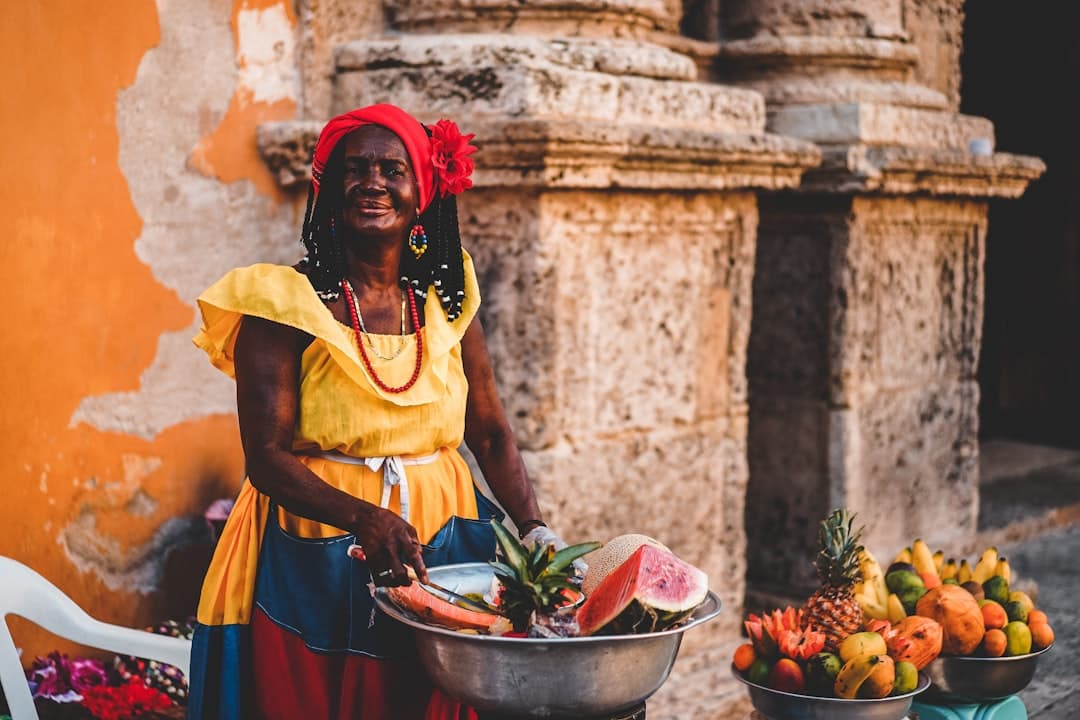
South America holds a disproportionate share of the world's biodiversity, and its food producers and culinary professionals are increasingly treating that natural wealth as both a responsibility and a resource. A broad shift toward sustainable gastronomy — defined by reduced environmental impact, ethical sourcing, and the preservation of traditional foodways — has become visible across the region's major food economies.
Indigenous Ingredients Gain Institutional Recognition
Andean crops such as quinoa, kiwicha, and a wide range of native potato varieties have moved from subsistence agriculture into international markets over the past two decades. In Peru, government agencies and culinary institutions have collaborated to document and promote native crop diversity, linking highland farmers directly to urban restaurants and export channels. Similar initiatives have taken root in Bolivia, where native grain cultivation is tied to both food sovereignty policies and export development strategies.
In the Amazon basin, fruits such as açaí, cupuaçu, and camu-camu have attracted attention from food manufacturers and nutritional researchers. Brazilian state governments in the northern region have introduced programs to support sustainable extraction practices, aiming to generate economic value from standing forest rather than cleared land.
Restaurant Culture as a Catalyst
The influence of high-profile culinary movements centered in Lima, São Paulo, and Bogotá has extended well beyond fine dining. Restaurants in these cities have built sourcing models around direct relationships with small-scale producers, creating demand for heritage varieties and traditional preparation techniques that might otherwise face commercial pressure to disappear.
The approach has drawn international attention and contributed to a broader reframing of South American cuisine — not as a regional variation of European culinary traditions, but as a distinct body of knowledge rooted in pre-Columbian agricultural systems. Several South American cities now appear consistently in global culinary rankings, a visibility that food policy advocates argue creates leverage for promoting sustainable supply chains at scale.
Policy Frameworks and Certification Systems
Governments across the region have moved at varying speeds to formalize sustainable food practices within agricultural and trade policy. Colombia has expanded programs supporting small coffee and cacao producers who meet environmental and labor standards, linking certification to premium market access. Chile has introduced origin-labeling frameworks for certain regional products, modeled in part on European geographical indication systems.
The United Nations Food and Agriculture Organization has recognized South America as a focal region for sustainable food systems development, citing the continent's combination of agricultural diversity, indigenous knowledge systems, and emerging policy infrastructure. Regional cooperation bodies have facilitated exchanges between national programs, though implementation remains uneven across different countries and sub-regions.
Challenges in the Supply Chain
The transition toward sustainable gastronomy is not without structural obstacles. Smallholder farmers, who produce a significant share of the region's diverse crops, often lack access to cold chain logistics, consistent market connections, and the certification processes required by premium buyers. Urban-rural infrastructure gaps remain pronounced in countries such as Bolivia, Paraguay, and parts of northern Brazil.
Food waste across the supply chain represents another persistent challenge. Regional organizations have begun piloting programs that redirect surplus production from farms and distributors toward community food networks, though these efforts remain limited in geographic reach.
A Regional Identity in Formation
The convergence of culinary culture, indigenous agricultural knowledge, and sustainability policy in South America reflects a broader negotiation over how the region positions its food systems for coming decades. As climate pressures alter growing conditions across the continent, the preservation of crop diversity and traditional ecological knowledge has acquired relevance beyond cultural heritage — it represents a practical buffer against agricultural vulnerability.
The institutions, networks, and market relationships being built around sustainable gastronomy are still evolving, but the foundation being laid across the region suggests that food — its sourcing, preparation, and meaning — will remain a significant arena of South American identity and development policy.
Open Questions
Will sustainable gastronomy remain accessible primarily to urban middle and upper classes, or can its supply chain models deliver economic benefits broadly to rural smallholders? How will intensifying climate shifts in the Amazon and Andean regions affect the native crop diversity that underpins these culinary movements? And to what extent can regional policy cooperation standardize sustainability frameworks without undermining local and indigenous governance of food systems?
Sources: UN Food and Agriculture Organization (FAO) — sustainable food systems documentation; PromPerú — Peruvian gastronomy and native crop promotion; Brazilian Ministry of the Environment — Amazon sustainable extraction programs; Colombia's Ministry of Agriculture — coffee and cacao certification programs; Chile's agricultural origin labeling framework (SAG).
This article was compiled with the support of advanced research technology, based on multiple verified sources, and reviewed by our editorial team.