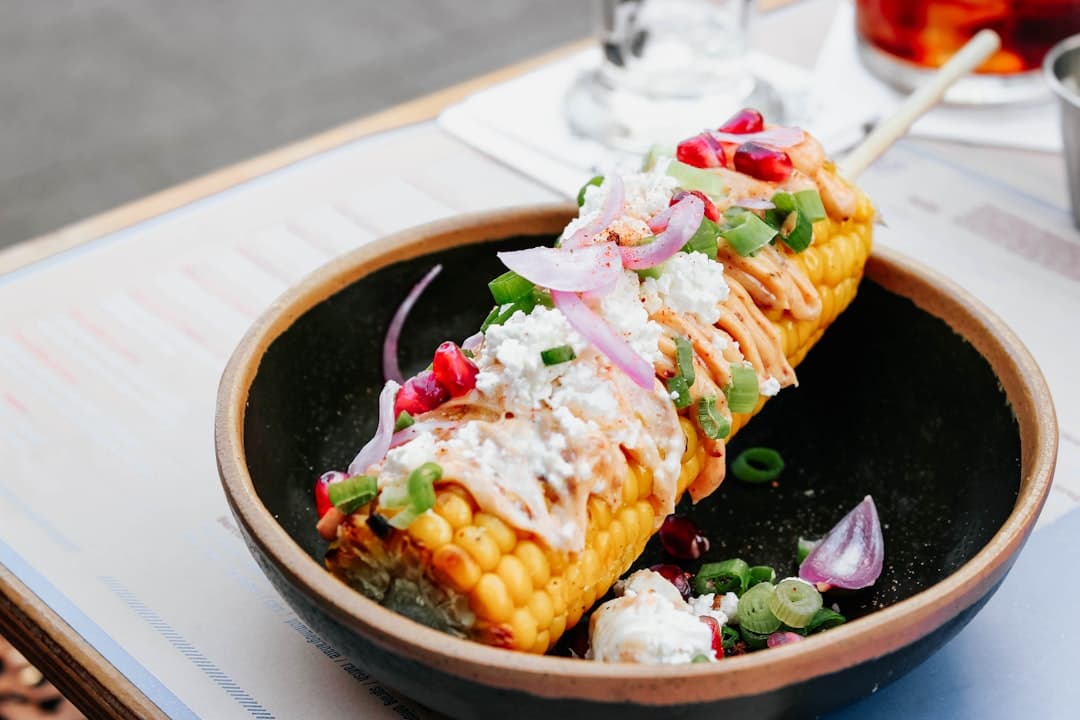
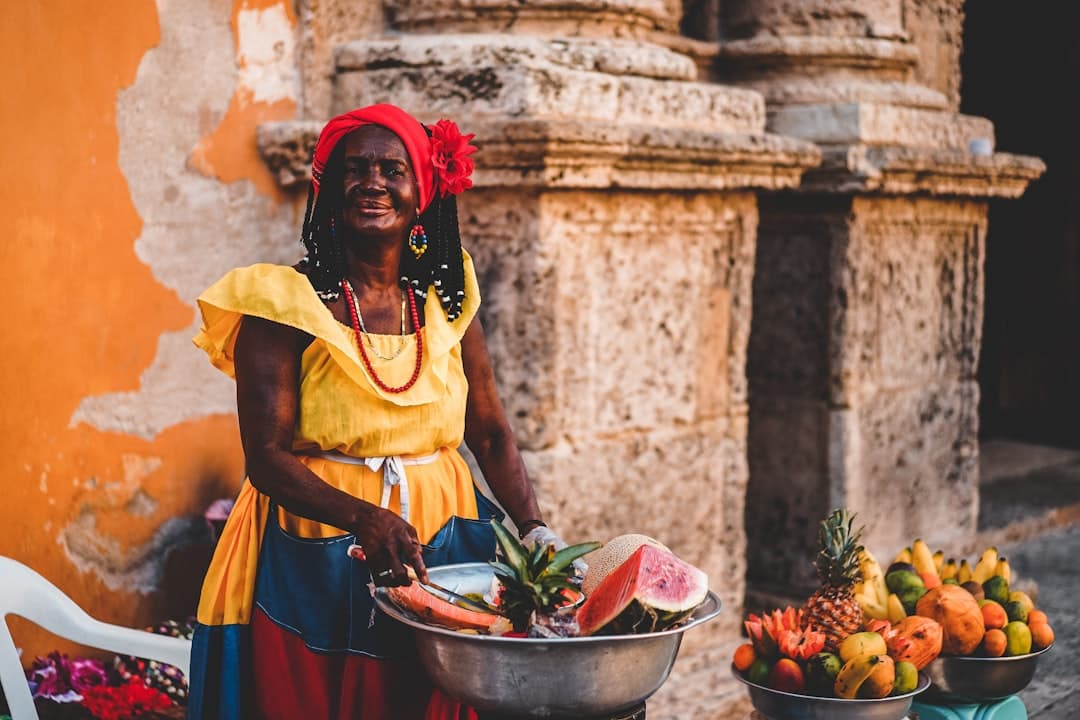
Across South American cities, the street food vendor is a fixture as familiar as the sidewalk itself. In sprawling metropolises and small provincial towns alike, carts, market stalls, and improvised grills line public squares, transit hubs, and neighborhood streets, offering freshly prepared food at accessible prices to populations that span every social and economic background.
A Continent of Distinct Regional Traditions
South America's street food landscape is shaped by extraordinary geographic and cultural diversity. In Peru, anticuchos — skewers of marinated beef heart grilled over open flame — trace their origins to pre-Columbian Andean traditions, later influenced by African culinary practices introduced during the colonial period. The dish remains widely consumed across Lima and other Peruvian cities.
In Brazil, the northeastern state of Bahia serves as a reference point for Afro-Brazilian street food, where acarajé — deep-fried black-eyed pea fritters filled with shrimp and spiced sauces — hold both culinary and cultural significance. The preparation method has been recognized by Brazilian cultural heritage authorities as an intangible cultural expression.
Chile's street food tradition includes completos, hot dogs served with an array of toppings including avocado, tomato, and mayonnaise, which have become a recognized element of Chilean popular food culture. In Bolivia, salteñas — baked pastries filled with meat or chicken in a slightly sweet broth — are widely consumed as a mid-morning meal and are sold from dedicated storefronts and market corners throughout La Paz and Cochabamba.
Economic Function and Urban Livelihoods
Street vending provides income to a significant portion of the urban informal workforce across the region. In countries where formal employment opportunities remain limited or inconsistent, food vending offers a lower barrier to entry than brick-and-mortar establishments and allows vendors to operate with flexible schedules and modest startup costs.
Municipal governments across the continent have taken varied approaches to regulating street food commerce. Some cities have implemented vendor registration programs and designated market zones to balance public order concerns with the recognition that informal food economies serve essential social functions. Others have faced criticism for enforcement actions that displace established vendors without offering alternative arrangements.
Tourism and Culinary Recognition
International culinary tourism has brought increased attention to South American street food in recent decades. Lima has gained recognition as a global gastronomic destination, with its street-level ceviche preparations and market food culture cited alongside high-end restaurant offerings. Food writers, travel platforms, and culinary institutions have directed growing attention toward the region's open-air food traditions as representative of authentic, place-specific cuisine.
The visibility of South American street food on international platforms has contributed to broader conversations about the preservation of traditional food knowledge. Recipes and preparation techniques passed across generations through direct apprenticeship rather than written documentation face pressure as younger generations in urban areas pursue other forms of employment.
Infrastructure and Conditions
Food safety standards and access to clean water and sanitation infrastructure remain uneven across the region, presenting ongoing challenges for street food vendors seeking to maintain consistent hygiene conditions. Public health agencies in several countries have worked to develop training programs aimed at improving food handling practices among informal vendors, though coverage and enforcement vary considerably by municipality.
Physical infrastructure also shapes the geography of street food. Cities with robust public transit systems and dense pedestrian corridors tend to support higher concentrations of street food activity, as foot traffic provides the steady customer flow on which vendors depend.
Despite regulatory pressures, economic volatility, and infrastructure gaps, street food culture across South America continues to function as a durable and adaptive institution — one embedded in the daily rhythms of cities and the deeper histories of the communities that inhabit them.
Open Questions
How will expanding municipal formalization efforts affect the livelihoods of informal vendors who operate outside registered frameworks? To what extent can culinary heritage protections preserve traditional preparation methods as urbanization and globalization reshape regional food habits?
This article was compiled with the support of advanced research technology, based on multiple verified sources, and reviewed by our editorial team.