Colombia has earned a growing reputation as one of South America's most compelling destinations for food tourism, with its regional cuisine attracting international attention from culinary travelers, food journalists, and restaurant industry observers.
A Geography That Shapes the Table
Colombia's culinary diversity is rooted in its geography. The country spans five distinct natural regions — the Andes, the Amazon basin, the Pacific coast, the Caribbean coast, and the Llanos plains — each producing ingredients and dishes shaped by altitude, climate, and local agricultural traditions.
In the Andean interior, dishes built around potatoes, corn, and legumes reflect centuries of Indigenous cultivation. Along the Pacific coast, Afro-Colombian communities maintain cooking traditions centered on fish, coconut milk, and plantain, many of which have gained recognition from food researchers and cultural organizations as intangible heritage. The Caribbean coast draws on a distinct culinary lineage tied to both African and indigenous Zenú traditions, producing preparations that differ markedly from those found inland.
Bogotá and Medellín as Culinary Hubs
Bogotá and Medellín have emerged as the country's primary urban food destinations. Bogotá's Zona Rosa and La Candelaria neighborhoods host a dense concentration of restaurants ranging from traditional fondas to internationally trained chef-driven establishments. The city has appeared in regional rankings published by culinary travel organizations and Latin American food industry publications.
Medellín, long associated with its transformation following decades of urban challenges, has developed a restaurant scene that draws both domestic and international visitors. The city hosts culinary festivals and markets where local producers bring highland ingredients directly to urban consumers, a model that has grown significantly in scale over recent years.
Traditional Dishes and Modern Interpretations
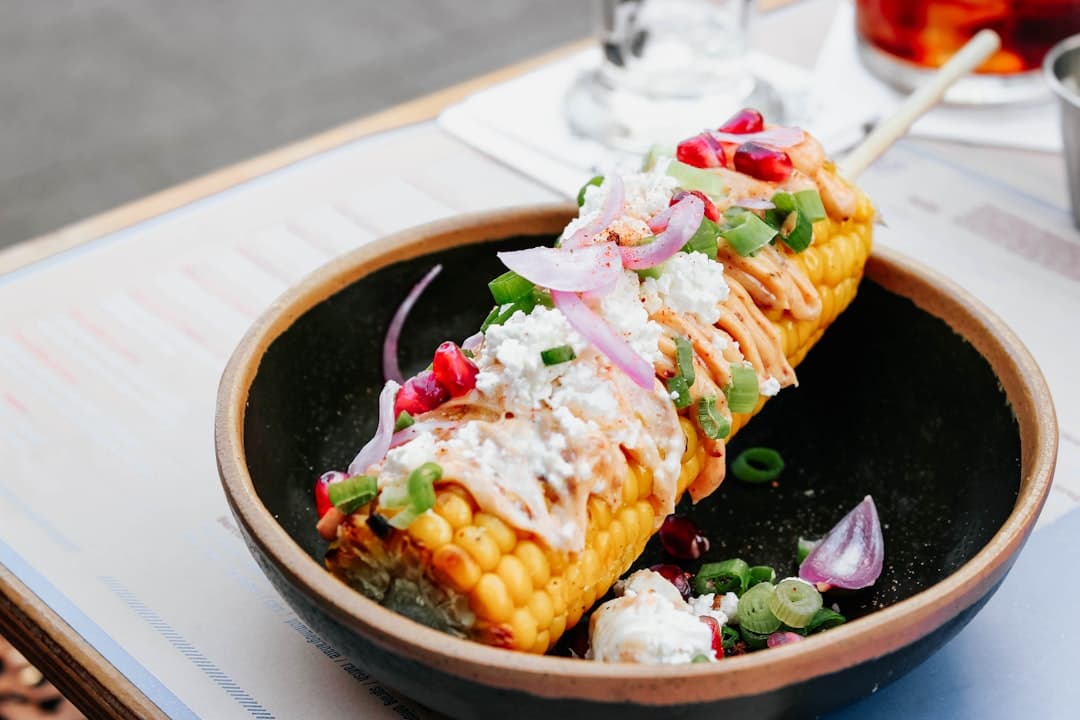
Dishes such as ajiaco — a potato and chicken soup historically associated with Bogotá — bandeja paisa from the Antioquia region, and sancocho, a stew common across multiple regions, serve as reference points for the country's food identity. These preparations appear in traditional households, market stalls, and upscale restaurant menus alike.
A generation of Colombian chefs trained abroad have returned to apply international techniques to native ingredients, a pattern documented by Latin American food media. Crops such as native potato varieties, cupuaçu fruit, and Colombia's dozens of endemic chili types have found their way onto menus in Bogotá, Cali, and Cartagena.
Cartagena and the Coastal Draw
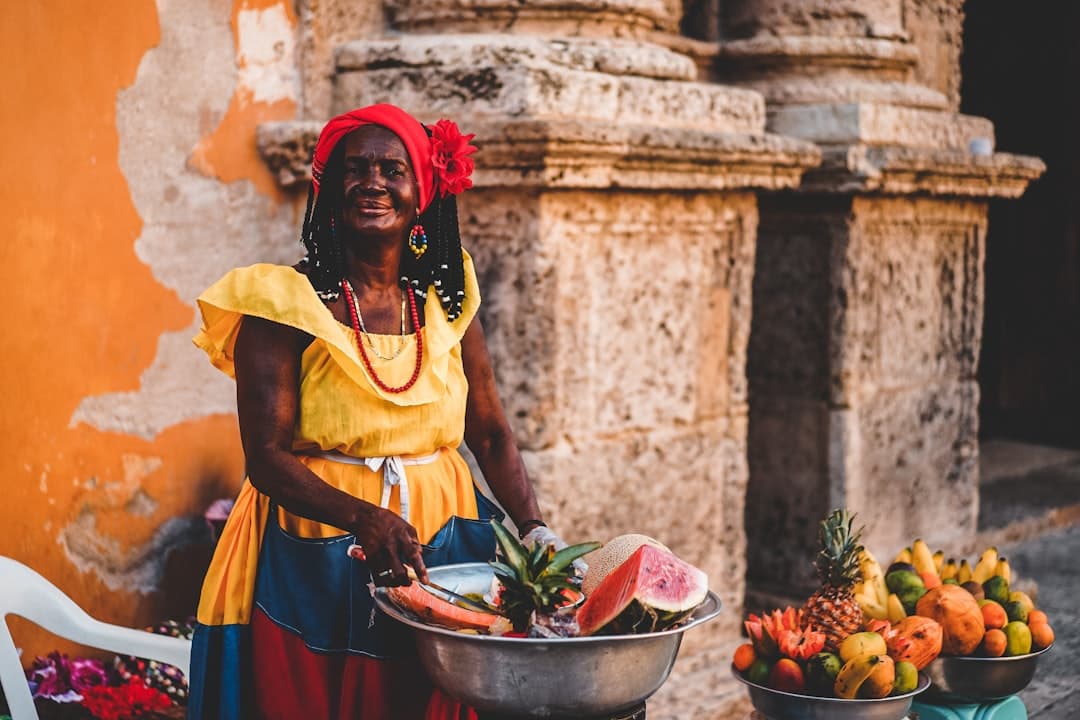
Cartagena de Indias, on the Caribbean coast, functions as a separate culinary corridor that blends tourism infrastructure with street food traditions. Dishes sold from portable carts — fried fish, arepas de huevo, and fresh tropical juices — remain central to the city's food identity and are increasingly documented by travel media outlets covering Latin American destinations.
Coffee Culture as Culinary Infrastructure
Colombia's internationally recognized coffee production has also contributed to its culinary profile. The country is among the world's top coffee exporters, and the coffee-growing Eje Cafetero region has developed agritourism infrastructure that connects visitors to production processes and regional food traditions simultaneously, extending the culinary tourism circuit beyond major cities.
Recognition From Regional and Global Bodies
Colombia has received recognition from Latin America's 50 Best Restaurants list, a widely referenced regional ranking, with multiple Colombian establishments appearing in recent editions. UNESCO has recognized elements of Colombian intangible cultural heritage that intersect with food tradition, adding institutional weight to the country's cultural culinary claims.
Open Questions
Whether Colombia's culinary momentum will translate into sustained infrastructure investment in smaller cities and rural food communities remains to be seen. Observers also watch whether native ingredient preservation efforts will keep pace with growing commercial demand from urban and international restaurants.
Sources: Latin America's 50 Best Restaurants (theworlds50best.com), UNESCO Intangible Cultural Heritage listings, ProColombia tourism authority publications, World Coffee Research, Colombian Ministry of Commerce, Industry and Tourism.
This article was compiled with the support of advanced research technology, based on multiple verified sources, and reviewed by our editorial team.