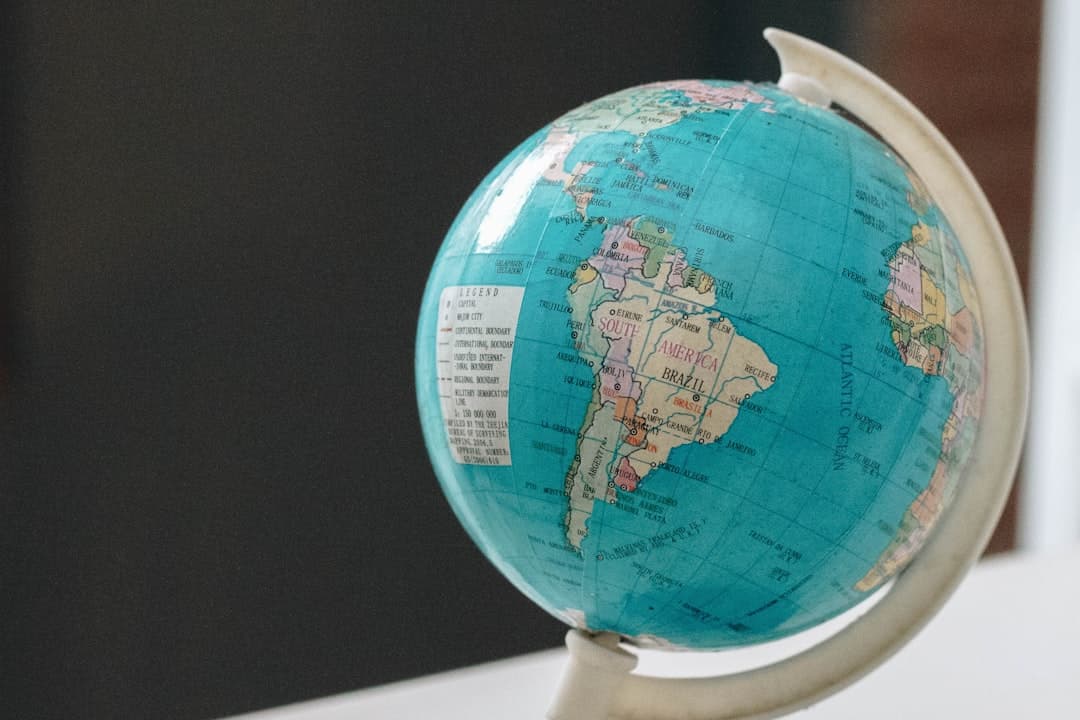
South America has emerged as a central theater in the global competition for strategic raw materials, with its vast deposits of lithium, copper, iron ore, and agricultural land attracting sustained interest from the United States, China, the European Union, and other economic powers.
The Lithium Triangle and Beyond
The so-called Lithium Triangle — spanning portions of Argentina, Bolivia, and Chile — contains a significant share of the world's known lithium reserves, a mineral considered essential for electric vehicle batteries and energy storage systems. Bolivia's Salar de Uyuni is widely recognized as one of the largest single lithium deposits on Earth. As demand for battery technology grows globally, competition for long-term supply agreements in the region has intensified considerably.
Chile and Peru remain among the world's leading copper producers, supplying a commodity central to electrical infrastructure, industrial manufacturing, and the broader energy transition. Brazil, meanwhile, holds substantial reserves of iron ore, manganese, and niobium, alongside the world's largest tropical agricultural base.
Geopolitical Dimensions
China has expanded its economic presence across the continent through state-backed financing, infrastructure development, and direct investment in extractive industries. The United States, through various diplomatic and trade frameworks, has sought to strengthen partnerships with regional governments to diversify critical mineral supply chains away from single-source dependencies. The European Union has similarly pursued bilateral agreements aimed at securing raw material access under its Critical Raw Materials Act framework.
Several South American governments have moved to assert greater state control over their resource sectors, with nationalization measures and renegotiated royalty structures reflecting domestic political pressures as much as economic strategy. This has created friction with foreign investors while simultaneously opening space for new negotiating terms.
Environmental and Social Pressures
Extraction activities in ecologically sensitive areas, including Andean wetlands and Amazonian territories, have generated opposition from indigenous communities and environmental organizations. International scrutiny of environmental and social governance standards in mining operations has increased, influencing how foreign investors and governments structure their agreements across the region.
Open Questions
Will South American nations develop domestic processing capacity to capture greater value from raw materials, or continue primarily as exporters of unrefined resources? How will competing foreign interests shape the region's long-term sovereignty over its resource base?
Sources: U.S. Geological Survey (USGS) Mineral Resources Program; International Energy Agency (IEA) Critical Minerals reports; European Commission Critical Raw Materials Act documentation; ECLAC regional economic analyses; Bolivia Ministry of Mining and Metallurgy public records.
This article was compiled with the support of advanced research technology, based on multiple verified sources, and reviewed by our editorial team.