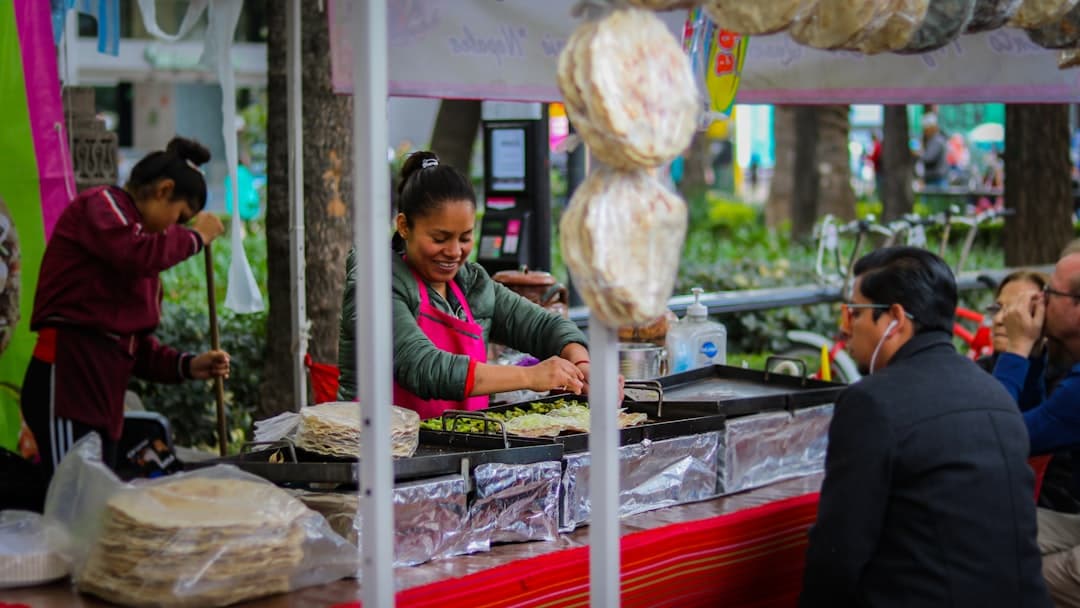
Argentine cuisine, long celebrated domestically, has earned a prominent place in the global food conversation. Driven by a culinary identity shaped by waves of Italian and Spanish immigration, indigenous ingredients, and the vast cattle-ranching culture of the Pampas, the country's food traditions offer a distinctive profile that resonates with international audiences.
Asado: A Cultural Export
At the center of this recognition stands the asado, a barbecue tradition that extends well beyond a cooking technique. The ritual involves specific cuts of beef — including asado de tira (short ribs) and vacío (flank) — cooked slowly over wood or charcoal. Argentine-style steakhouses, known as parrillas, have opened in major cities across Europe, North America, and Asia, introducing the practice to audiences unfamiliar with its cultural significance.
Wine as a Companion
Argentine cuisine travels alongside the country's wine industry, particularly Malbec, the red grape variety that has become one of the most recognized South American wines in international markets. The Mendoza region, situated at the foot of the Andes, produces the majority of Argentine wine exports. The pairing of Malbec with grilled meats has become a recognizable combination in international dining contexts.
Beyond Beef
While beef remains the flagship product, other Argentine staples have attracted attention abroad. Empanadas — filled pastries with regional variations across the country's provinces — appear increasingly on menus in Latin American restaurants worldwide. Dulce de leche, a caramel-like spread made from milk and sugar, has been adopted by pastry chefs and food manufacturers across multiple continents.
Institutional and Media Presence
Argentine chefs have earned recognition at international culinary competitions and have been featured in widely distributed food documentaries and streaming series. Buenos Aires consistently appears on lists of significant food destinations compiled by travel and gastronomy publications.
Open Questions
Whether the growing global presence of Argentine food will translate into stronger export markets for Argentine agricultural products remains an open economic question. Observers also note that the representation of regional Argentine cuisines — including those of the northwest and Patagonia — remains limited in international contexts compared to the Buenos Aires-centric image that dominates abroad.
Sources: Wines of Argentina (winesofargentina.com); Argentine Tourism Promotion Institute (Argentina.travel); Merriam-Webster Culinary Reference; World's 50 Best Restaurants historical records.
This article was compiled with the support of advanced research technology, based on multiple verified sources, and reviewed by our editorial team.