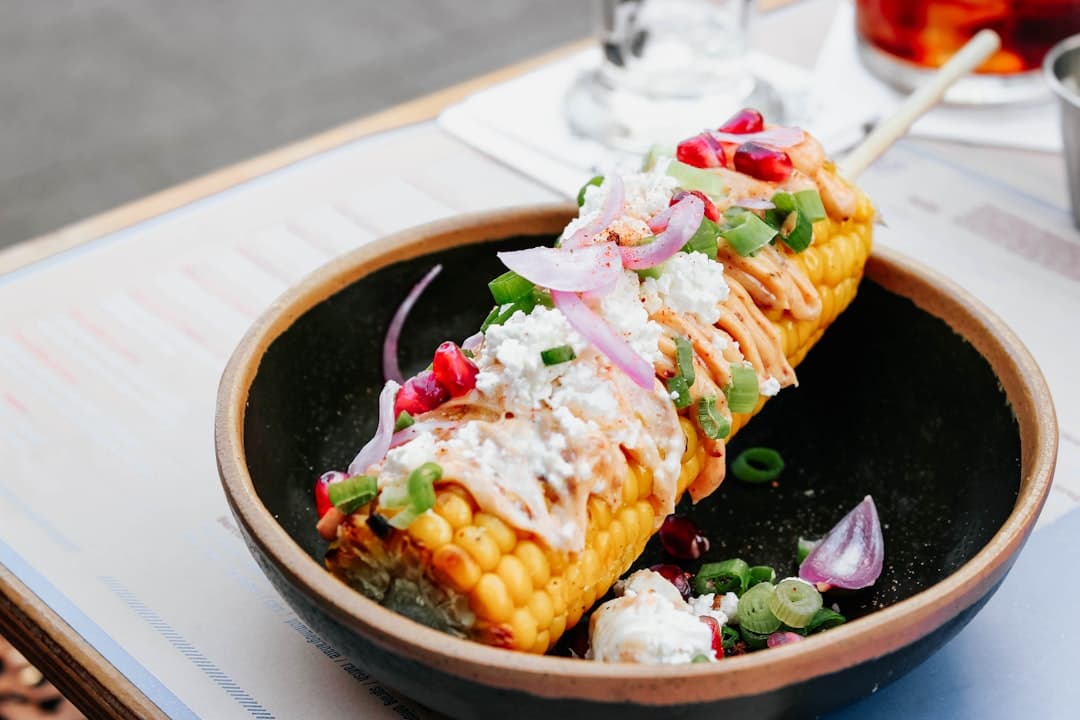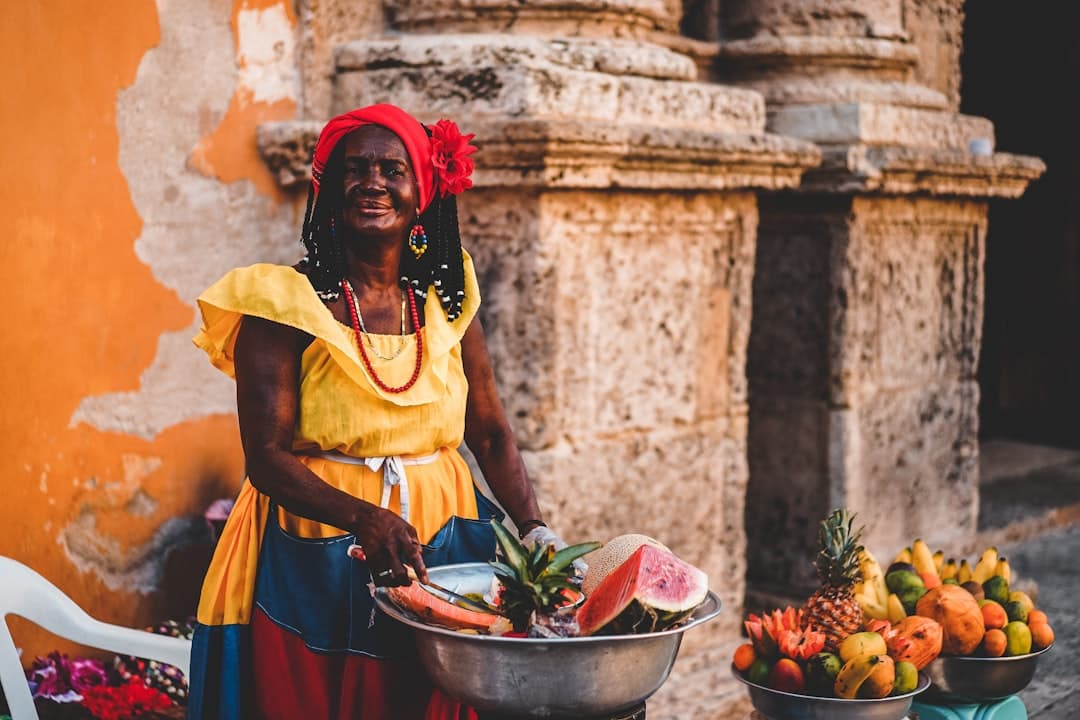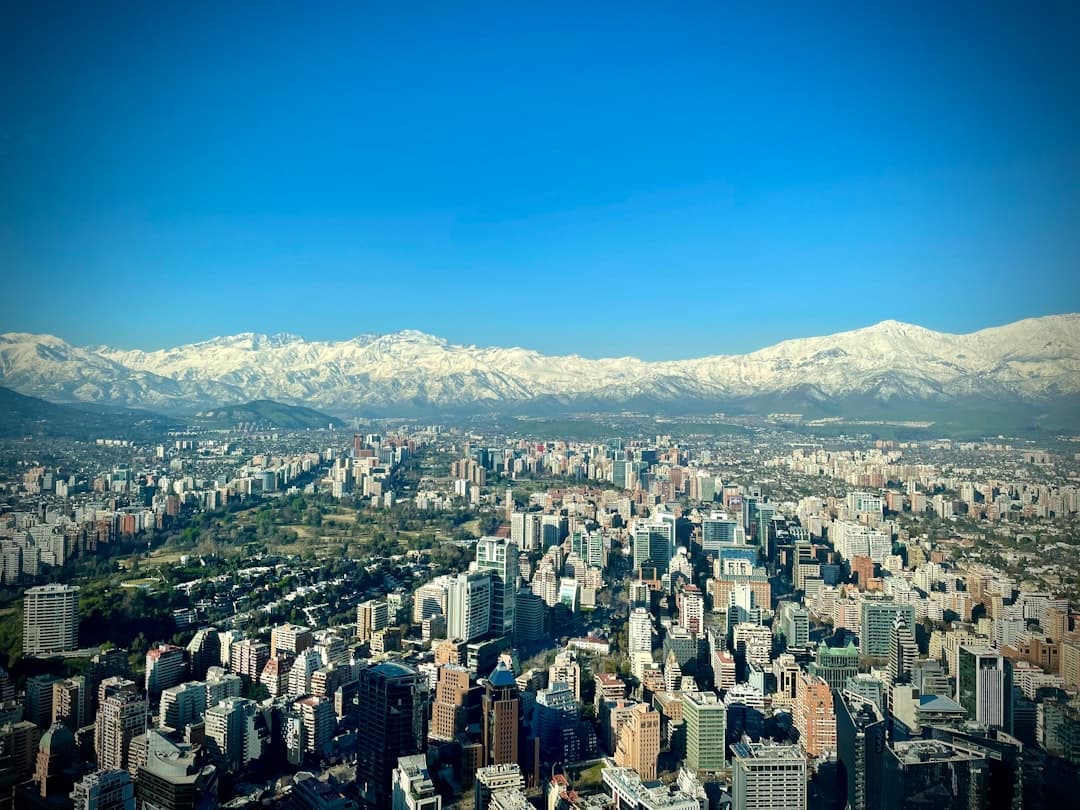
South America's restaurant scene has undergone a substantial transformation over the past two decades, elevating the continent from a regional curiosity to a central pillar of global gastronomy. Cities that were once overlooked by international food media now anchor some of the most closely watched culinary movements in the world.
Lima: A Convergence of Cultures on the Plate
Peru's capital has established itself as one of the most influential food cities on the planet. Lima's culinary identity draws from Indigenous Andean traditions, Japanese immigration, Chinese-Cantonese influence, and Spanish colonial heritage — a fusion known locally as cocina novoandina. Restaurants in the city's Miraflores and Barranco districts have repeatedly earned positions on the World's 50 Best Restaurants list, a widely cited industry benchmark. The city also hosts Mistura, one of the largest food festivals in Latin America, which brings together chefs, producers, and vendors from across the country and the region.
Central to Lima's rise has been the work of several high-profile kitchens that have made extensive use of native Peruvian ingredients — including hundreds of varieties of potato, quinoa, and Amazonian fruits — many of which had limited visibility on international menus before their adoption by contemporary Peruvian chefs.
Buenos Aires: European Roots, South American Character
Argentina's capital carries a culinary identity shaped heavily by Italian and Spanish immigration, reflected in its abundant pasta traditions, wood-fired asado culture, and neighborhood confiterías. Buenos Aires has seen a notable increase in chef-driven restaurants that reinterpret traditional Argentine ingredients through modern culinary frameworks.
The city's wine culture, closely tied to the Mendoza and Patagonia regions, has also drawn growing international interest. Argentine Malbec has become one of the most globally recognized varietal wines from the Southern Hemisphere, supporting broader interest in Argentine food pairings and dining experiences.
São Paulo: Scale, Diversity, and Ambition
Brazil's largest city functions as a microcosm of the country's extraordinary demographic diversity. São Paulo has one of the largest Japanese-diaspora populations outside Japan, a significant Lebanese and Syrian community, and deep African culinary roots that trace back to the colonial period — all of which are reflected in its restaurant landscape.
The city hosts thousands of restaurants across a wide price range, from street-level lanchonetes to internationally recognized fine dining establishments. São Paulo has increasingly appeared in global culinary rankings, with several of its restaurants earning recognition for their use of native Brazilian ingredients such as açaí, tucupi, and baru nuts.
Regional Networks and Indigenous Ingredients
Across the continent, there is a broader movement toward the documentation and culinary rehabilitation of indigenous ingredients and techniques. Chefs in Colombia, Chile, and Bolivia have begun collaborating directly with farming communities and indigenous groups to source native produce that had largely disappeared from commercial supply chains.
This shift has created new economic relationships between urban restaurants and rural producers, while also prompting greater academic and journalistic interest in pre-Columbian food systems. Several South American culinary schools have updated their curricula to incorporate indigenous food knowledge alongside classical European techniques.
Infrastructure and International Recognition
The growth of culinary tourism across South America has been accompanied by investment in food-focused events, culinary education institutions, and food media. Regional publications and documentary series have brought wider visibility to chefs and food traditions that previously received limited international coverage.
International restaurant ranking organizations and food publications have expanded their South American coverage significantly in recent years, reflecting a broader recognition that the continent's contributions to global gastronomy extend well beyond a handful of flagship restaurants.
The cumulative effect has been a repositioning of South America in the global culinary conversation — not as an emerging scene waiting for validation, but as an established source of culinary ideas, ingredients, and techniques that continue to influence kitchens far beyond the continent's borders.
Open Questions
How will rising costs and urban inequality affect access to fine dining within South American cities themselves? Can the international recognition of elite restaurants translate into broader economic benefits for rural food producers and indigenous communities?
Sources: World's 50 Best Restaurants (worlds50best.com), Mistura Food Festival historical records, Oxford Companion to Food (Alan Davidson), James Beard Foundation coverage of Latin American cuisine, UNESCO documentation of traditional Peruvian cuisine.
This article was compiled with the support of advanced research technology, based on multiple verified sources, and reviewed by our editorial team.