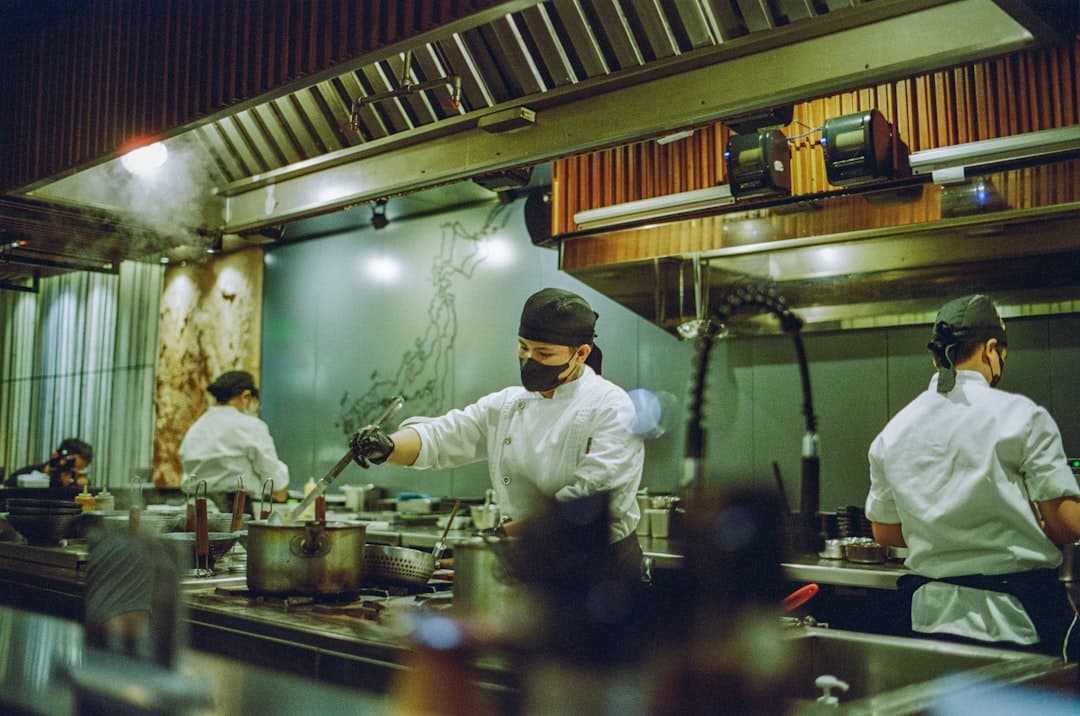
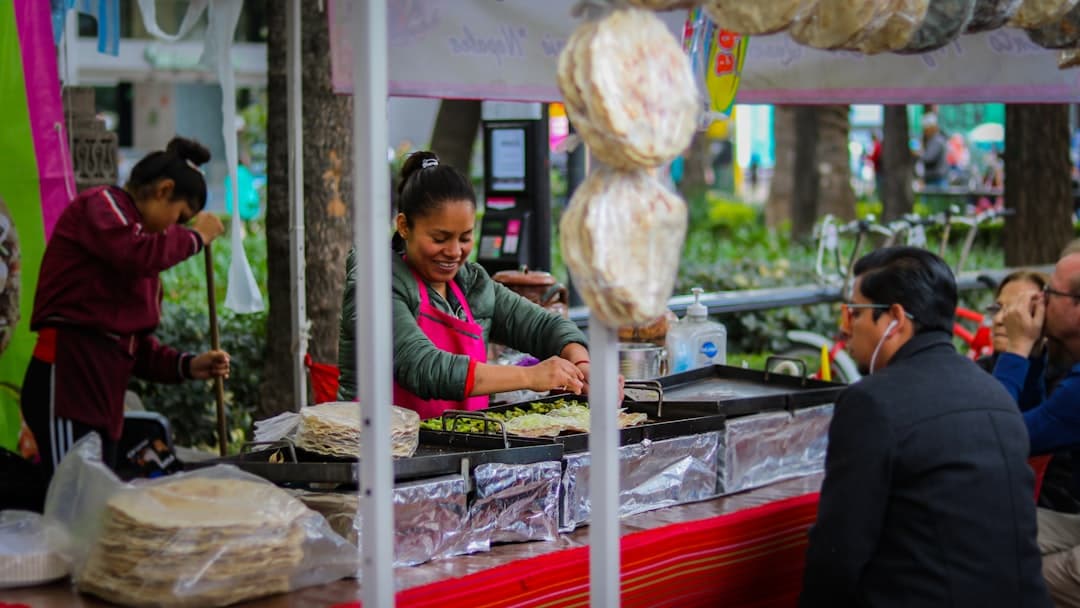
Brazil's culinary landscape is undergoing a sustained transformation, one driven by a deliberate return to native ingredients alongside modern cooking techniques. Chefs across São Paulo, Rio de Janeiro, and Belém have turned to the Amazon basin as a source of previously underutilized produce — including tucupi, a fermented liquid extracted from wild manioc root, and jambu, a leaf with mild anesthetic properties long used in Pará regional cooking.
Indigenous Roots, Contemporary Kitchens
The influence of Indigenous foodways on Brazilian cuisine is well documented, stretching back centuries to before European colonization. What has shifted in recent decades is the deliberate effort within fine dining and casual restaurants alike to acknowledge and center those contributions. Ingredients such as açaí, cupuaçu, and baru nuts — long staples in Amazonian and Cerrado diets — have moved from local markets to menus with national and international reach.
A Biodiversity Advantage
Brazil holds one of the largest reserves of plant biodiversity on the planet, a fact that gives its culinary scene a structural advantage in the global search for novel flavors and sustainable food sources. The Cerrado savanna and the Pantanal wetlands, alongside the Amazon, provide ingredients that remain largely unknown outside the country's borders, offering significant potential for culinary exploration.
Regional Identity and Culinary Diplomacy
Regional Brazilian cuisines — from the African-influenced moquecas of Bahia to the German-inflected dishes of Santa Catarina — have long coexisted within a single national identity. Contemporary chefs are increasingly framing this diversity not as fragmentation but as a resource, one that supports both cultural preservation and export-oriented gastronomic promotion.
Brazilian cuisine has gained recognition through international culinary rankings and food media, drawing visitors and researchers to cities such as Belém, which was designated a UNESCO Creative City of Gastronomy, reinforcing the country's position as a significant force in global food culture.
Open Questions
How will increased international demand for Amazonian ingredients affect local communities and ecosystems? Can Brazil establish formal protections for traditional food knowledge held by Indigenous and quilombola populations?
Sources: UNESCO Creative Cities Network, Slow Food Foundation for Biodiversity, Brazilian Ministry of Culture, publicly available culinary scholarship on Amazonian foodways.
This article was compiled with the support of advanced research technology, based on multiple verified sources, and reviewed by our editorial team.