Brazilian street food, historically tied to the country's vibrant urban food stalls and open-air markets, has moved well beyond its domestic context. Vendors and restaurateurs in cities across multiple continents have begun introducing staples of Brazilian everyday cuisine to new consumer bases, adapting traditional recipes to local tastes while preserving core ingredients and preparation methods.
Key Dishes Crossing Borders
Among the foods gaining traction internationally, coxinha — a teardrop-shaped fried dough filled with shredded chicken — has appeared on menus in specialty Brazilian restaurants and food halls in cities including London, New York, and Lisbon. Açaí bowls, long consumed in Brazil's northern regions and later popularized domestically as a health food, have maintained a strong international presence in wellness-oriented markets across the United States, Australia, and Japan.
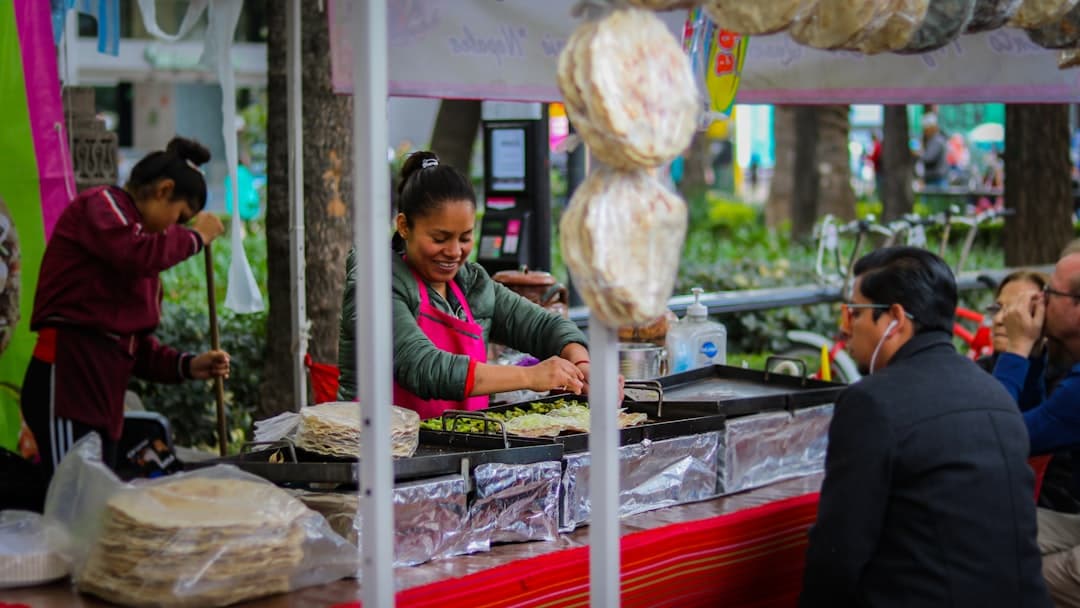
Tapioca crepes, made from cassava starch and filled with sweet or savory ingredients, have also attracted attention from chefs working in gluten-free and alternative-grain culinary spaces. Pastel — thin fried pastries with varied fillings — remains closely associated with Brazilian market culture and has begun appearing in South American diaspora communities across Western Europe.
Factors Behind the Spread
The international reach of Brazilian street food is connected to several converging factors. Growth in the Brazilian diaspora has created communities abroad that sustain demand for familiar foods, while simultaneously introducing those foods to wider local populations. Food media coverage and social platforms have also contributed to raising the international profile of Brazilian culinary culture.
Tourism to Brazil, particularly tied to major events in past years, has historically introduced visitors to street food traditions they later seek to recreate or find in their home countries. Importers and specialty food distributors have responded by expanding availability of key Brazilian ingredients such as cassava flour, guaraná, and Brazilian cheeses in international markets.
A Broader Latin American Pattern
The international circulation of Brazilian street food follows patterns seen with other Latin American culinary traditions — including Mexican and Peruvian cuisine — which have each built sustained global commercial presences over preceding decades.
Open Questions
Whether Brazilian street food will sustain long-term commercial viability outside diaspora markets, and how authenticity is maintained as dishes are adapted for new audiences, remain subjects of ongoing discussion among food industry observers.
Sources: Brazilian Tourism Board (Embratur) public reports; general food industry trade publications; established culinary reference sources on Brazilian gastronomy.
This article was compiled with the support of advanced research technology, based on multiple verified sources, and reviewed by our editorial team.