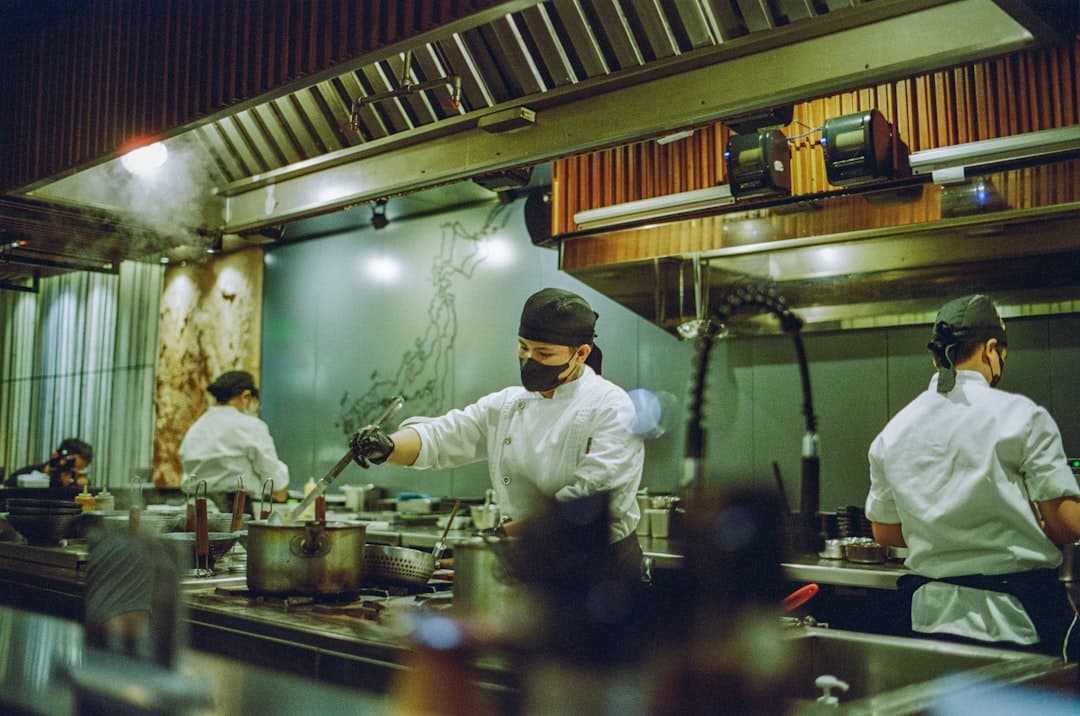
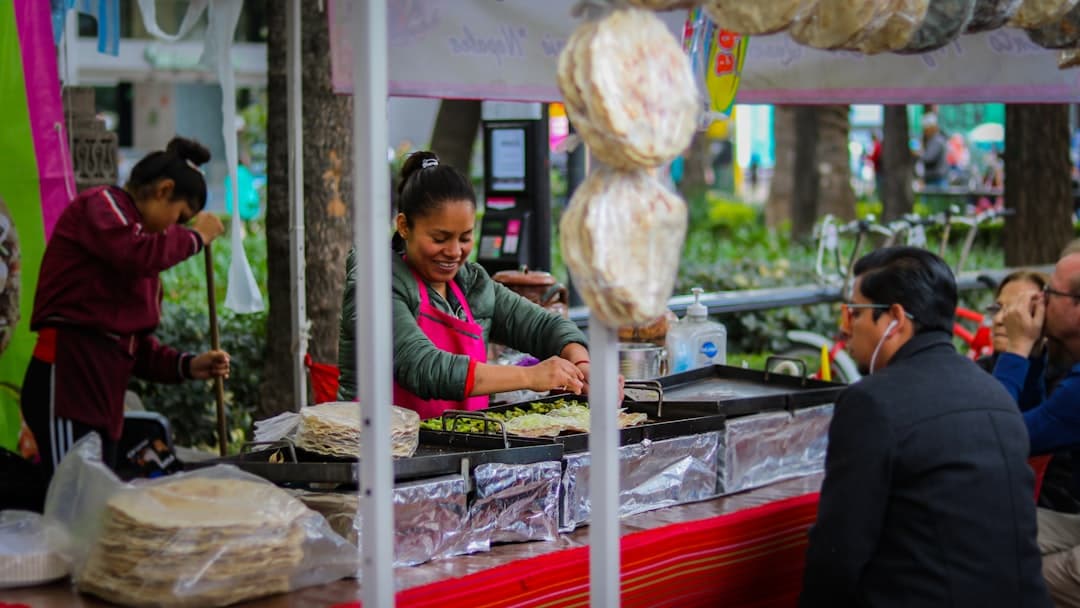
Chilean gastronomy has undergone a marked transformation in recent years, moving from relative obscurity on the global dining circuit to a position of growing prestige. Restaurants drawing on native Chilean ingredients and cooking traditions have begun appearing in internationally recognized ranking lists, including the Latin America's 50 Best Restaurants guide published annually by William Reed Business Media.
Native Ingredients Drive the Movement
Central to this shift is a renewed focus on indigenous and hyperlocal ingredients. Products such as merkén — a smoked chili spice blend with Mapuche origins — cochayuyo seaweed harvested from the Pacific coast, and varieties of native potatoes unique to the Chilean archipelago of Chiloé have become calling cards for chefs seeking to distinguish their menus from broader pan-Latin American offerings.
The Atacama Desert, Patagonian steppe, and the cold Humboldt Current waters off Chile's coastline provide a range of raw materials that chefs have increasingly framed as a distinct terroir, a concept borrowed from wine culture and now applied to food sourcing more broadly.
Santiago as a Culinary Hub
The Chilean capital, Santiago, has served as the primary stage for this evolution. A concentration of high-end restaurants in neighborhoods such as Vitacura and Las Condes has helped position the city as a credible destination for culinary tourism. Chilean sommeliers and pastry chefs have also gained recognition at international competitions, contributing to broader visibility for the country's food culture.
Regional Identity and Global Appeal
The movement reflects a wider trend across Latin America, where chefs in countries including Peru and Mexico have demonstrated that regional culinary identity can translate into international commercial and critical success. Chile's moment follows a well-documented path, though its specific ingredients and coastal geography give it a profile distinct from its regional predecessors.
The long-term trajectory of Chilean fine dining on the global stage will depend on sustained investment in culinary education, supply chain development for native ingredients, and continued international media coverage of the sector.
Open Questions
Will smaller cities beyond Santiago develop their own recognized fine dining scenes? Can indigenous Mapuche and Chilote food traditions be represented equitably as commercialization increases?
Sources: Latin America's 50 Best Restaurants (William Reed Business Media); general culinary and travel reporting on Chilean gastronomy from outlets including Eater, Food & Wine, and CNN Travel.
This article was compiled with the support of advanced research technology, based on multiple verified sources, and reviewed by our editorial team.