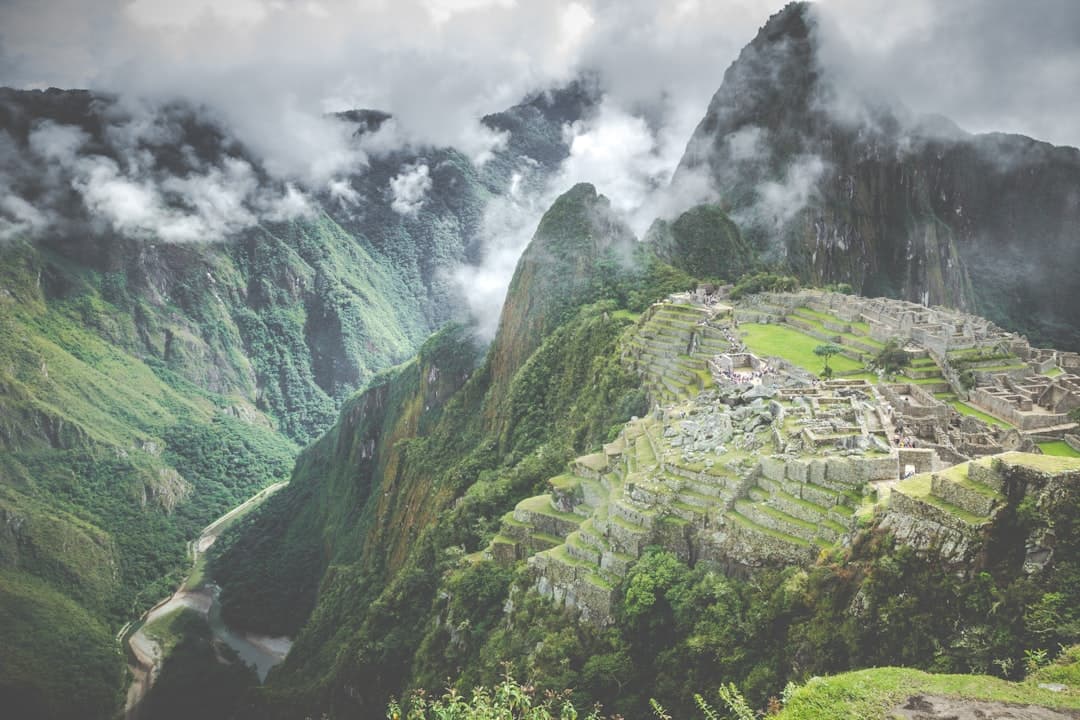
Few national cuisines have traveled as far, as fast, as that of Peru. What was once considered a regional tradition has become a fixture on international menus, earning recognition from institutions such as the World Travel Awards, which has repeatedly named Machu Picchu's home country the world's leading culinary destination. That recognition reflects a deeper structural story about ingredients, migration, and national strategy.
A Biodiversity Unlike Any Other
Peru's geographic range — spanning Andean highlands, Amazon rainforest, and a productive Pacific coastline — produces an ingredient base that few countries can match. The country is home to thousands of varieties of potato, hundreds of chili pepper types, and a broad spectrum of native grains including quinoa and kiwicha. Access to fresh seafood along one of the world's most fertile ocean currents has made dishes such as ceviche internationally recognizable.
This raw material diversity gives Peruvian chefs a distinct foundation. Ingredients that were once difficult to source outside the country have become more accessible globally as Peruvian agricultural exports have expanded, allowing restaurants abroad to approximate flavors that were previously only achievable in Lima or Cusco.
Lima as a Culinary Capital
Lima has emerged as a reference point for fine dining in Latin America. Restaurants based in the city have appeared consistently on lists such as the World's 50 Best Restaurants, drawing culinary professionals and food-focused travelers from across Europe, North America, and Asia. This concentration of acclaimed restaurants has reinforced Peru's reputation and generated a cycle of culinary tourism that sustains investment in the sector.
Training programs and culinary schools in Lima have produced a generation of chefs who have carried Peruvian techniques and flavor profiles to kitchens in major cities worldwide. Their presence in international restaurant scenes has expanded public familiarity with ingredients such as ají amarillo, huacatay, and lucuma.
The Role of Diaspora Communities
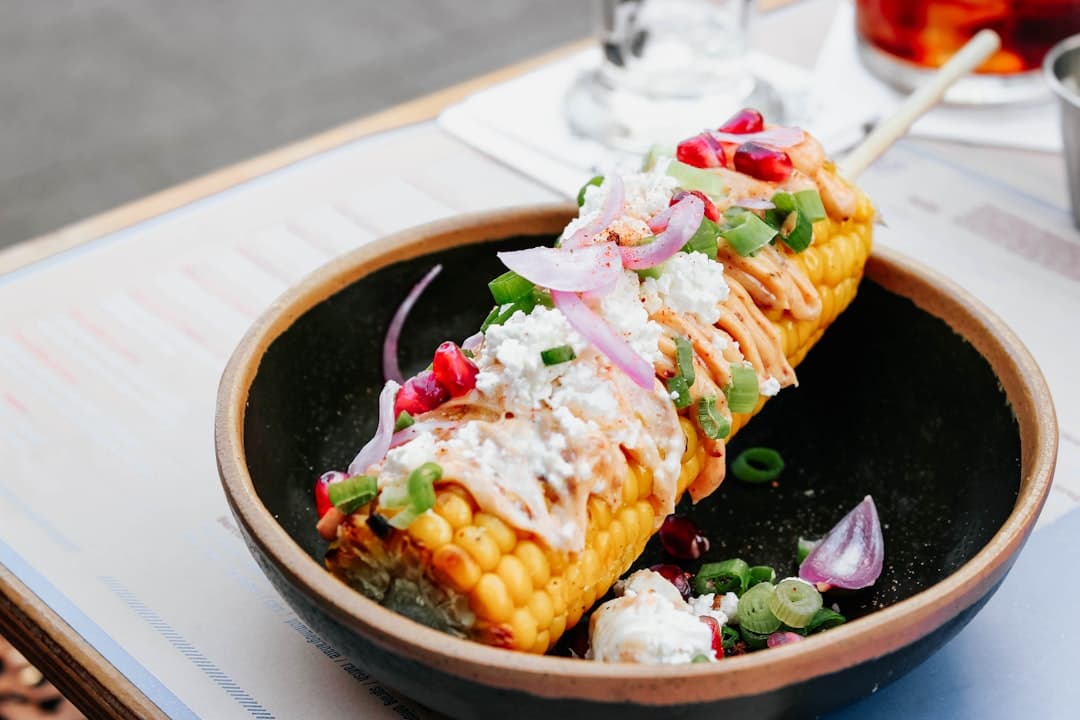
Peruvian migration to cities across North America, Europe, and Japan has historically seeded local restaurant cultures with accessible, affordable versions of national dishes. Neighborhoods in cities such as Los Angeles, Madrid, and Tokyo developed Peruvian restaurant clusters that introduced mainstream consumers to the cuisine long before fine dining attention arrived. Those communities continue to serve as entry points for new audiences.
The Japanese-Peruvian fusion tradition, known as Nikkei, developed over more than a century of Japanese immigration to Peru and has itself become an internationally recognized culinary genre. Its presence on menus in major food cities demonstrates how Peruvian cuisine absorbs outside influences and reintroduces them on a global scale.
Institutional and Governmental Support
Peru's government and private sector have treated gastronomy as an instrument of soft power and economic development. Promotional campaigns, international food festivals, and targeted media engagement have reinforced the country's culinary brand in key markets. Organizations dedicated to promoting Peruvian cuisine abroad have worked alongside embassies and trade offices to increase visibility in Europe and North America.
Quinoa's rise as a globally traded health food also contributed indirectly to broader awareness of Andean food culture, drawing consumer interest toward other Peruvian products and culinary traditions.
Challenges That Remain
Despite its momentum, Peruvian cuisine faces challenges in maintaining quality and authenticity as it scales internationally. Ingredient sourcing remains a constraint in markets where Peruvian imports are limited or expensive. There are also ongoing conversations within the culinary community about the representation of Indigenous food traditions and whether the international spotlight benefits rural and Amazonian communities who have cultivated many of the country's foundational ingredients.
The cuisine's continued global rise will likely depend on how effectively these tensions are navigated alongside its growing commercial success.
Open Questions
Will the international success of Lima's high-end restaurants translate into broader economic benefit for Peru's agricultural communities? How will Peruvian cuisine adapt to growing consumer demand for sustainability in sourcing?
Sources: World Travel Awards, World's 50 Best Restaurants, Peru's Ministry of Foreign Trade and Tourism (MINCETUR), academic literature on Nikkei culinary history, UN Food and Agriculture Organization data on Andean crop diversity.
This article was compiled with the support of advanced research technology, based on multiple verified sources, and reviewed by our editorial team.