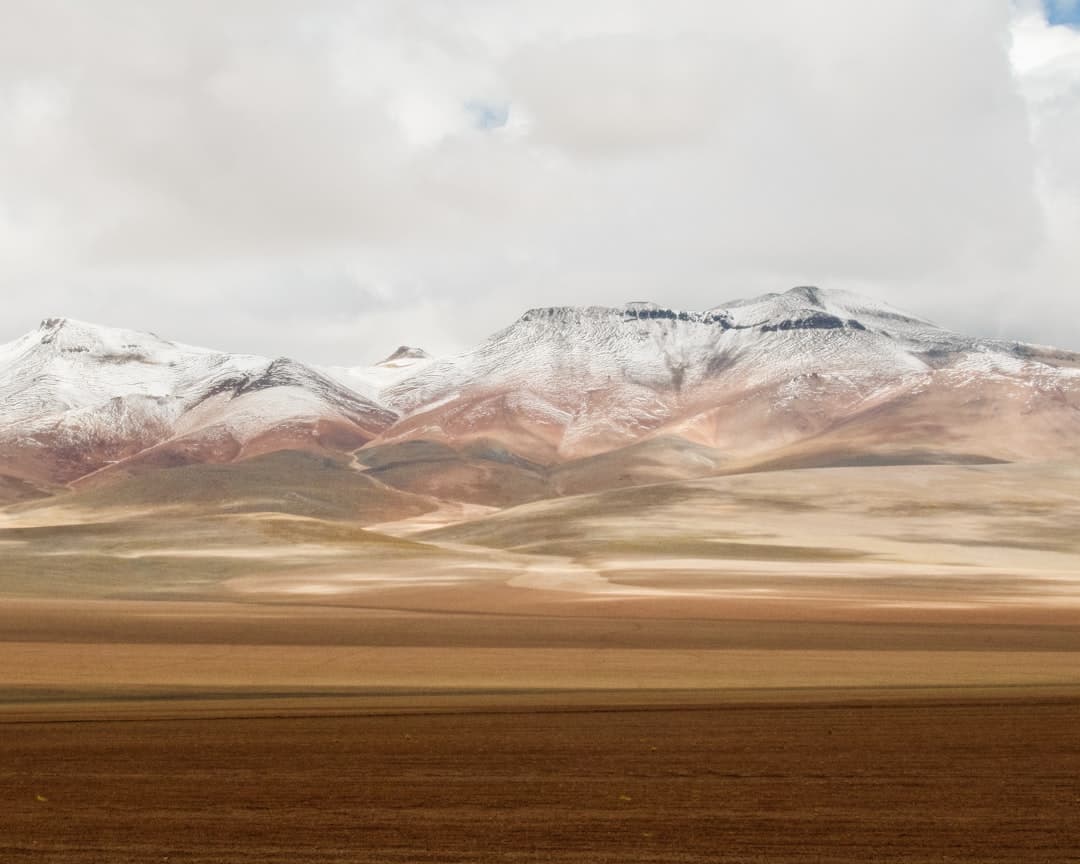
Bolivia's geography spans tropical lowlands, high-altitude valleys, and the vast Altiplano plateau, creating a range of microclimates that support an exceptional diversity of native crops. This ecological variety has given rise to a culinary tradition that draws heavily from ingredients cultivated long before European contact.
Staple Crops with Deep Roots
Quinoa, a grain-like seed native to the Andean region, has been cultivated in Bolivia for thousands of years. The crop thrives at high altitudes where few other plants can survive, and it remains a central component of both traditional dishes and contemporary Bolivian cooking. Bolivia is recognized as one of the world's primary producers of quinoa, with cultivation concentrated around the Salar de Uyuni region.
Chuño, a freeze-dried potato product developed by Andean communities, represents one of the earliest known methods of food preservation. The process exploits the Altiplano's extreme temperature swings — cold nights and intense daytime sun — to dehydrate potatoes over several days. Chuño appears in stews, soups, and side dishes across the country and remains a practical staple in high-altitude communities where fresh food storage presents ongoing challenges.
Oca, a tuber cultivated across the Andes, and various native potato varieties also feature prominently in regional recipes. Bolivia is home to a significant share of global potato biodiversity, a legacy of thousands of years of selective cultivation by indigenous communities.
A Living Culinary Heritage
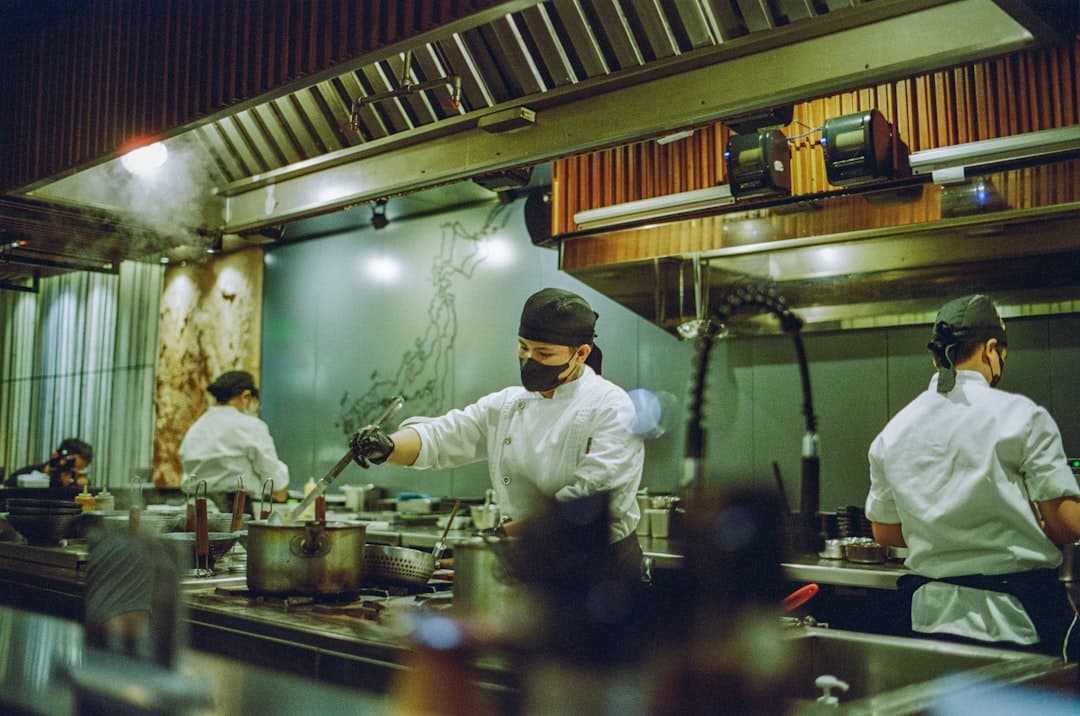
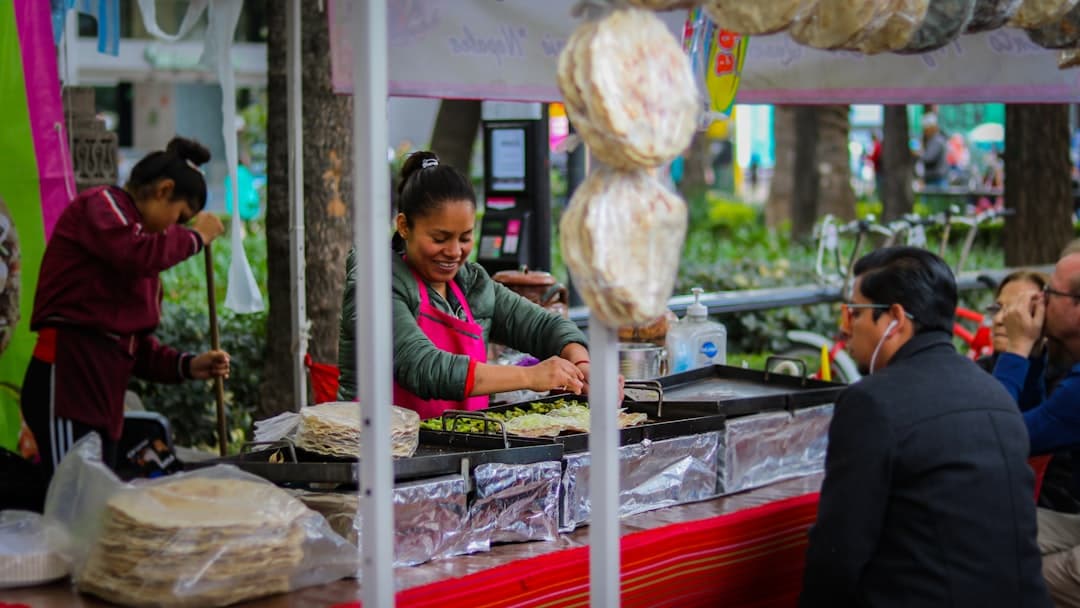
Traditional Bolivian dishes such as fricasé, sopa de maní, and salteñas reflect the blending of indigenous ingredients with techniques introduced during the Spanish colonial period. Markets in cities such as La Paz, Cochabamba, and Sucre continue to sell native crops alongside imported goods, preserving supply chains that connect rural producers directly to urban consumers.
Culinary researchers and food historians have documented the persistence of pre-Columbian cooking methods in rural communities, where clay pots, open fires, and earth ovens known as huatías remain in common use.
Open Questions
How are climate shifts affecting the cultivation zones of native Andean crops in Bolivia? To what extent are urban restaurants formally documenting and preserving traditional indigenous recipes?
Sources: Food and Agriculture Organization of the United Nations (FAO); UNESCO Intangible Cultural Heritage records; Bolivian Ministry of Rural Development and Land; peer-reviewed literature on Andean food systems.
This article was compiled with the support of advanced research technology, based on multiple verified sources, and reviewed by our editorial team.