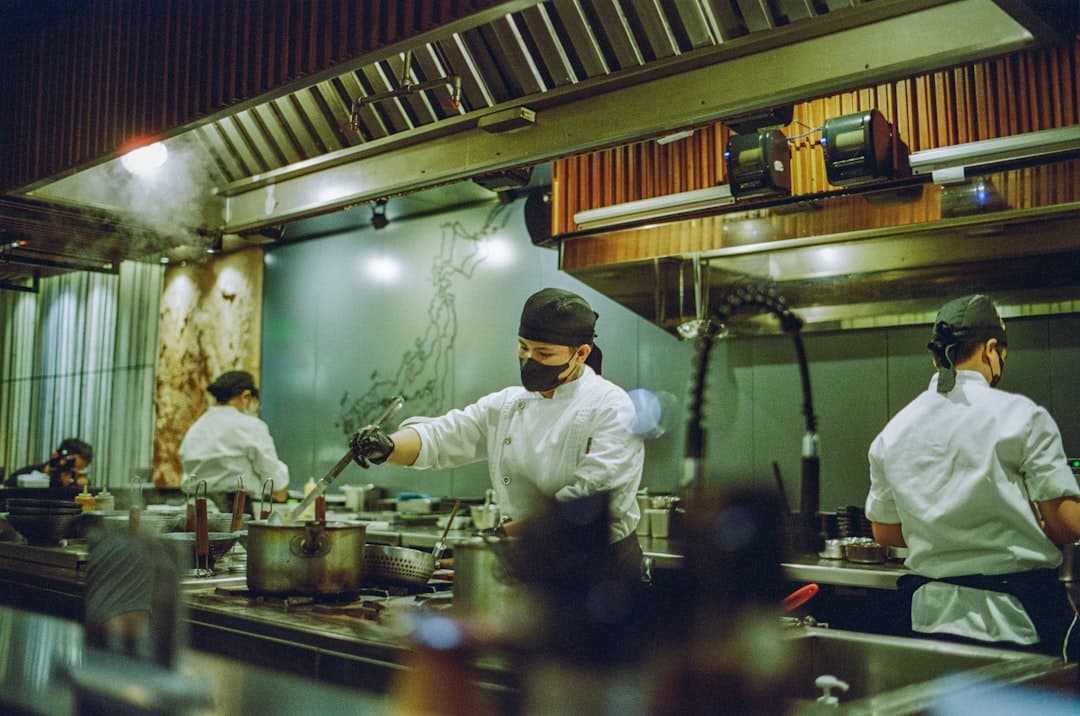
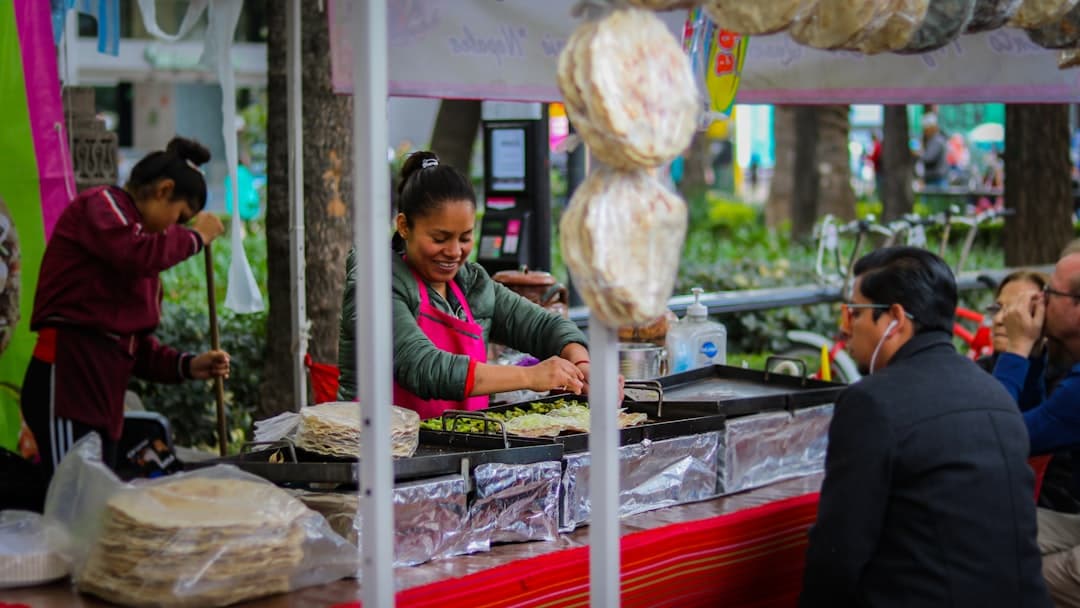
A culinary shift is underway in Brazil, as native Amazonian ingredients move from remote forest communities into mainstream kitchens, upscale restaurants, and packaged food markets nationwide.
Ancient Ingredients, New Platforms
Ingredients such as açaí, cupuaçu, tucumã, jambu, and baru — many of which have been central to indigenous and riverside diets for centuries — are gaining recognition beyond their regions of origin. Açaí, derived from a palm native to the Amazon estuary, has achieved particularly broad international reach, becoming a common feature in health food markets across North America, Europe, and Asia.
Other less globally known ingredients are following a similar path domestically. Jambu, a flowering herb used in traditional Amazonian cooking for its distinctive numbing effect on the palate, has appeared on tasting menus in São Paulo and Rio de Janeiro. Baru, a savory seed harvested from the Cerrado-Amazon transition zone, has attracted interest from nutritionists and snack producers due to its protein and fat profile.
Indigenous Knowledge and Sustainable Sourcing
The rise of these ingredients has prompted discussions around sustainable harvesting and the role of indigenous and traditional communities in their production. Extractivist cooperatives — organizations that harvest forest products without clearing land — have existed in the Amazon for decades, and several now supply directly to urban distributors and food companies.
Brazilian biodiversity policy and international sustainability frameworks have encouraged food businesses to develop supply chains that compensate origin communities, though implementation and oversight remain uneven across the region.
Economic and Cultural Dimensions
The commercialization of Amazonian ingredients carries both economic opportunity and cultural complexity. Advocates argue that placing market value on standing forest products creates financial incentives for conservation. Critics raise concerns about cultural appropriation and whether economic benefits reach the communities that have long cultivated this knowledge.
Brazil's national culinary identity, historically shaped by Portuguese, African, and indigenous influences, continues to evolve as chefs and consumers engage more directly with the country's vast and biodiverse interior.
Open Questions
How are intellectual property rights and benefit-sharing agreements being structured between food companies and indigenous communities? What regulatory frameworks govern the export of novel Amazonian ingredients?
Sources: Embrapa (Brazilian Agricultural Research Corporation), Slow Food Brasil, Brazilian Biodiversity Fund (Funbio), publicly available reporting from Folha de S.Paulo and Reuters.
This article was compiled with the support of advanced research technology, based on multiple verified sources, and reviewed by our editorial team.