Across Bolivia's major cities, a new generation of chefs and entrepreneurs is drawing on the country's deep culinary roots, reintroducing ingredients and preparation methods that date back centuries to Andean and Amazonian civilizations.
Roots of the Revival
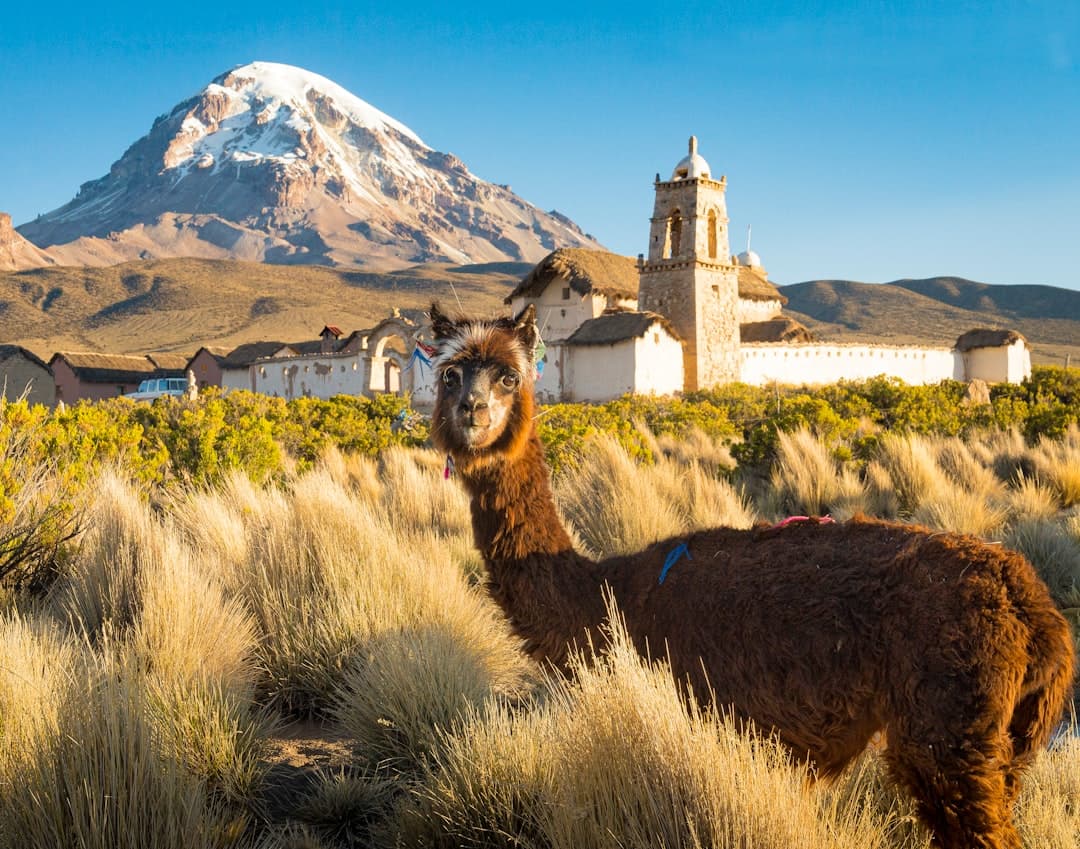
Bolivian cuisine has long been built around staple crops such as quinoa, chuño (freeze-dried potato), amaranth, and a wide variety of native tubers — many of which originated in the Andean highlands and were cultivated by pre-Inca cultures. For much of the twentieth century, these ingredients were often associated with rural poverty, while processed and imported foods gained popularity in urban centers. The current revival represents a reassessment of that perception.
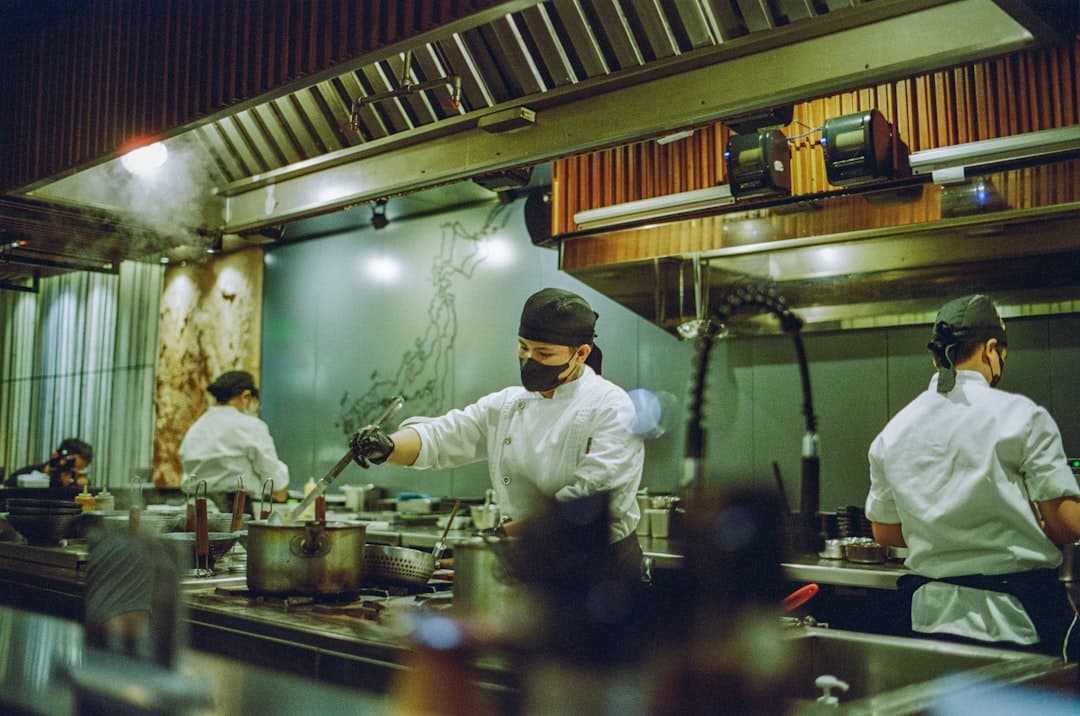
Restaurants in La Paz, Cochabamba, and Santa Cruz have expanded menus to feature dishes centered on native grains, Andean herbs, and traditional fermentation techniques. Dishes such as fricasé, chairo, and various preparations of llajwa — a spicy condiment with deep cultural significance — are being reinterpreted for contemporary dining environments without abandoning their original character.
Markets and Supply Chains
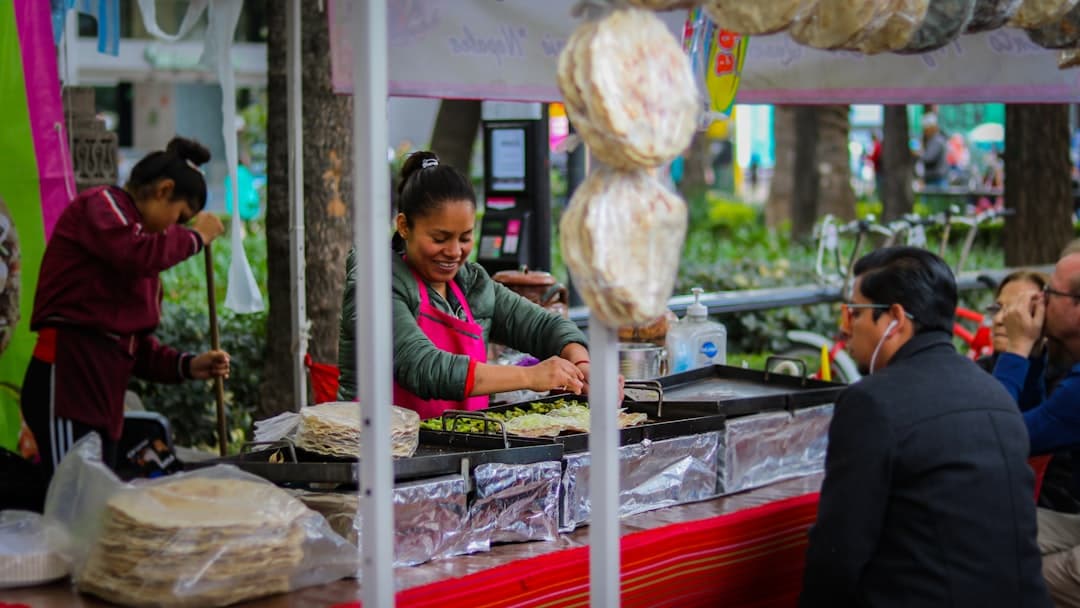
The revival extends beyond restaurant kitchens. Farmers' markets and specialty food fairs in urban areas have seen growing participation from smallholder producers offering heirloom crop varieties. Indigenous agricultural communities in the altiplano and the valleys report increased demand for heritage seeds and traditional drying and fermentation products.
Quinoa, already well established as an export commodity, has served in many ways as a gateway crop that raised international awareness of Bolivia's broader agricultural diversity. That visibility has helped create commercial pathways for lesser-known products such as cañahua and various native pepper species.
Cultural Dimensions
The movement intersects with wider conversations about food sovereignty and the preservation of indigenous knowledge. Bolivia's 2009 constitution formally recognized the rights of indigenous nations, a legal framework that has provided context for cultural expressions including culinary traditions. Culinary schools in the country have also begun incorporating pre-Columbian cooking history into their formal curricula.
How far the revival will extend beyond urban centers and niche markets remains an open question, but the structural conditions — institutional support, export demand, and generational interest among younger chefs — suggest the shift is more than a passing trend.
Open Questions
Will rural and indigenous communities benefit economically from increased demand, or will commercial intermediaries capture most of the value? Can traditional preparation methods scale without losing their cultural integrity?
Sources: Bolivian Ministry of Rural Development and Land, Food and Agriculture Organization of the United Nations (FAO) reports on Andean crops, UNESCO intangible cultural heritage documentation, Bolivia's 2009 Political Constitution of the State.
This article was compiled with the support of advanced research technology, based on multiple verified sources, and reviewed by our editorial team.