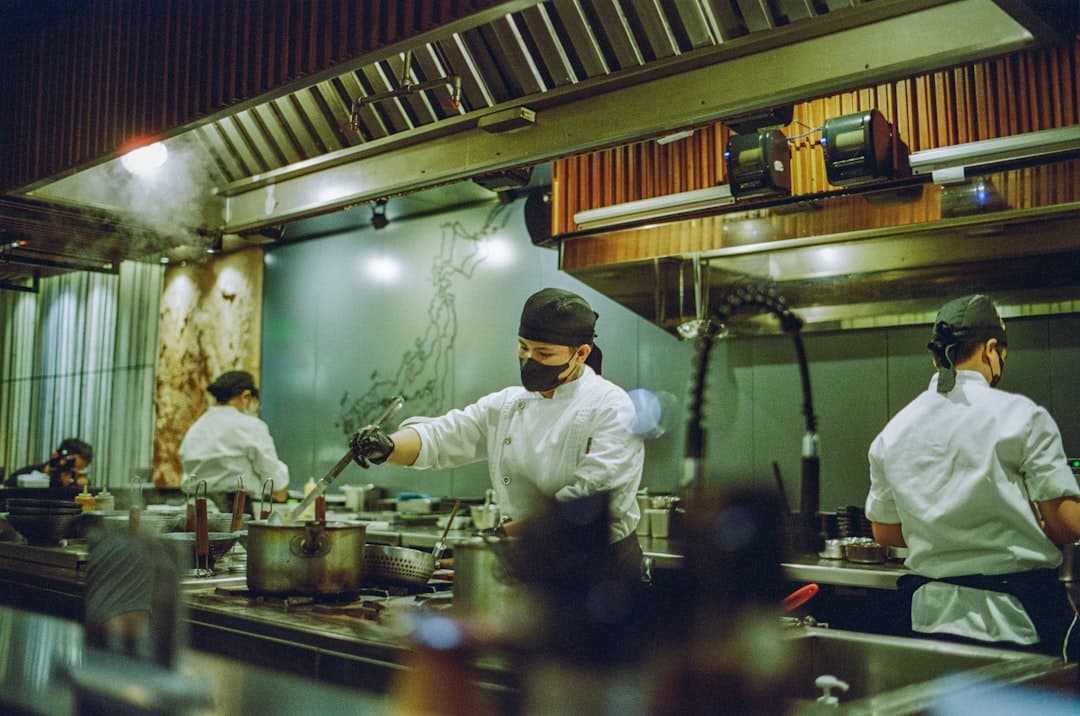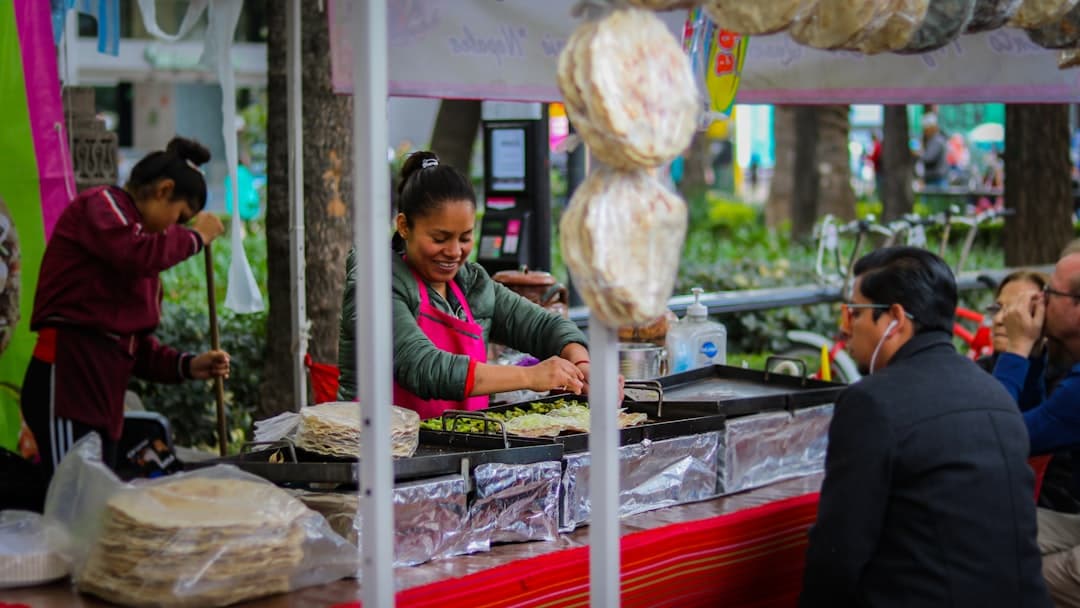
Bolivian street food, once known primarily to domestic consumers and regional travelers, has earned growing recognition in global culinary circles. Foods prepared and sold in public markets and on sidewalks across cities such as La Paz, Cochabamba, and Santa Cruz represent a layered tradition drawing from indigenous Andean ingredients, Spanish colonial influence, and lowland Amazonian produce.
Signature Dishes Drawing Outside Interest
Among the preparations attracting attention abroad, salteñas rank prominently. These baked pastries, filled with a stew of meat, potatoes, olives, and hard-boiled egg in a slightly sweet dough, are structurally distinct from Argentine or Chilean empanadas and have developed a following among food writers and traveling chefs. Anticuchos, skewers of marinated beef heart grilled over open flame, represent another preparation that has crossed cultural boundaries, appearing at food festivals in Europe and North America. Tucumanas, fried dough pockets typically served with spiced sauces, and api, a warm purple corn drink often paired with fried pastries called buñuelos, also appear in coverage of Bolivian culinary heritage.
Context Behind the Visibility
The broader global trend of documenting and celebrating street food traditions through documentary media, travel platforms, and social media channels has contributed to increased visibility for lesser-known culinary regions. Bolivia, which sits at high altitude in the central Andes and encompasses significant ecological diversity, offers ingredients not commonly found in other South American cuisines, including native potato varieties, quinoa, and chuño, a freeze-dried potato product developed by pre-Columbian Andean civilizations.
Preservation and Transmission
Bolivian culinary traditions are primarily transmitted through informal apprenticeship and family practice rather than formal culinary institutions. Street vendors, many of whom are women operating within longstanding market structures, serve as primary carriers of these techniques. Cultural organizations within Bolivia have undertaken efforts to document and preserve these practices as part of broader intangible heritage initiatives.
Open Questions
Whether increased international attention will lead to sustainable economic benefits for street vendors themselves, or whether commercialization will alter the character of these preparations, remains an open area of observation for food scholars and journalists covering the region.
Sources: UNESCO Intangible Cultural Heritage documentation; Bolivia Ministry of Cultures and Tourism public records; academic literature on Andean food history; international food media archives.
This article was compiled with the support of advanced research technology, based on multiple verified sources, and reviewed by our editorial team.