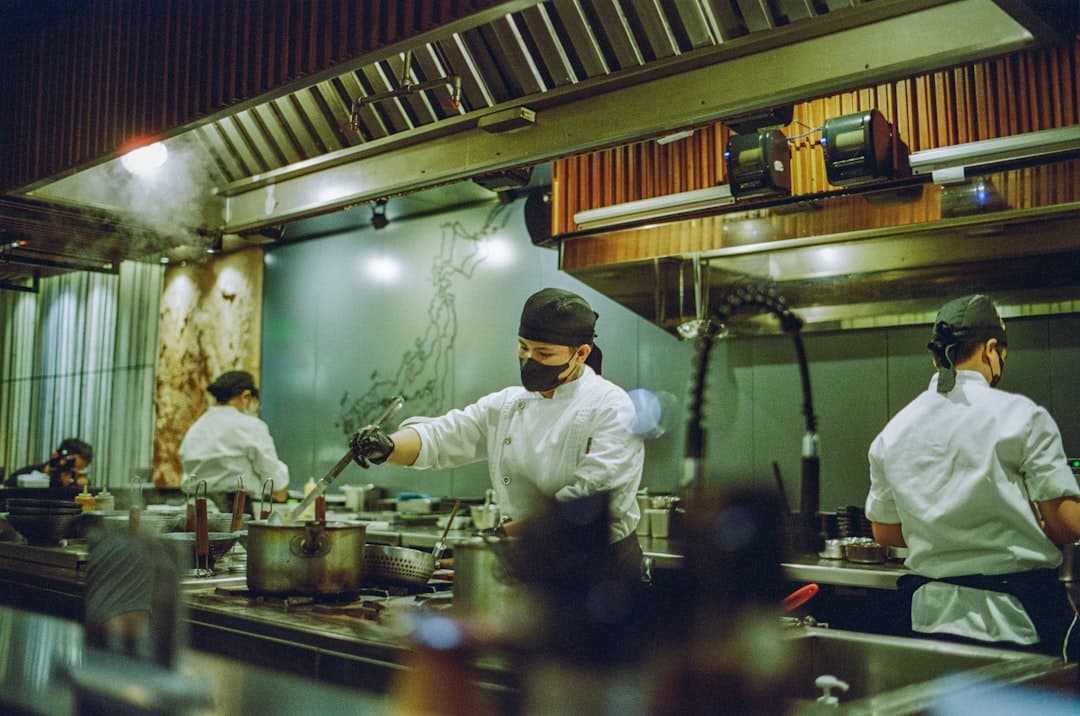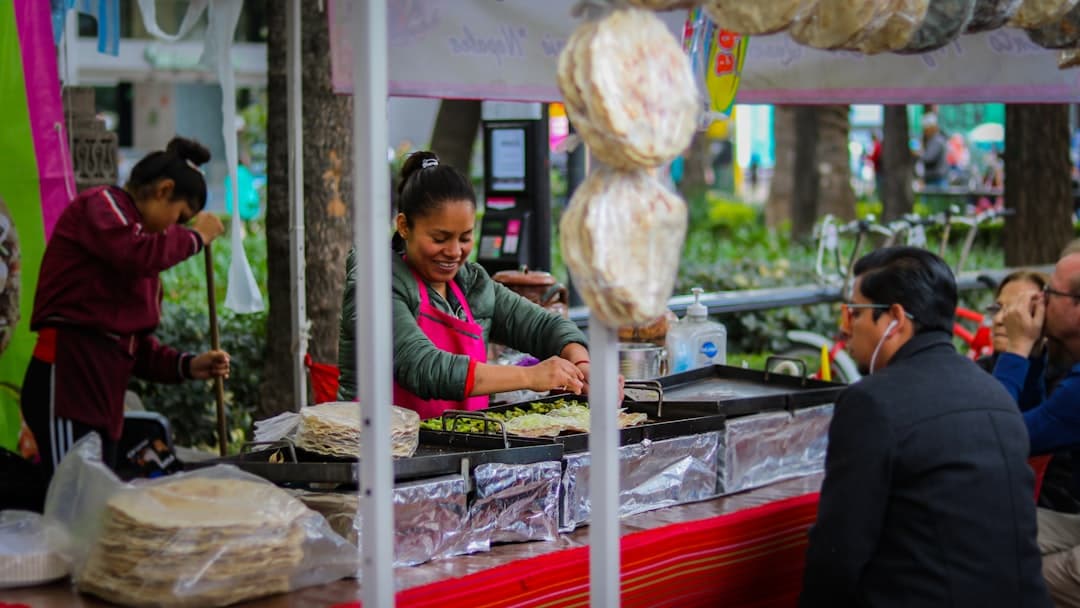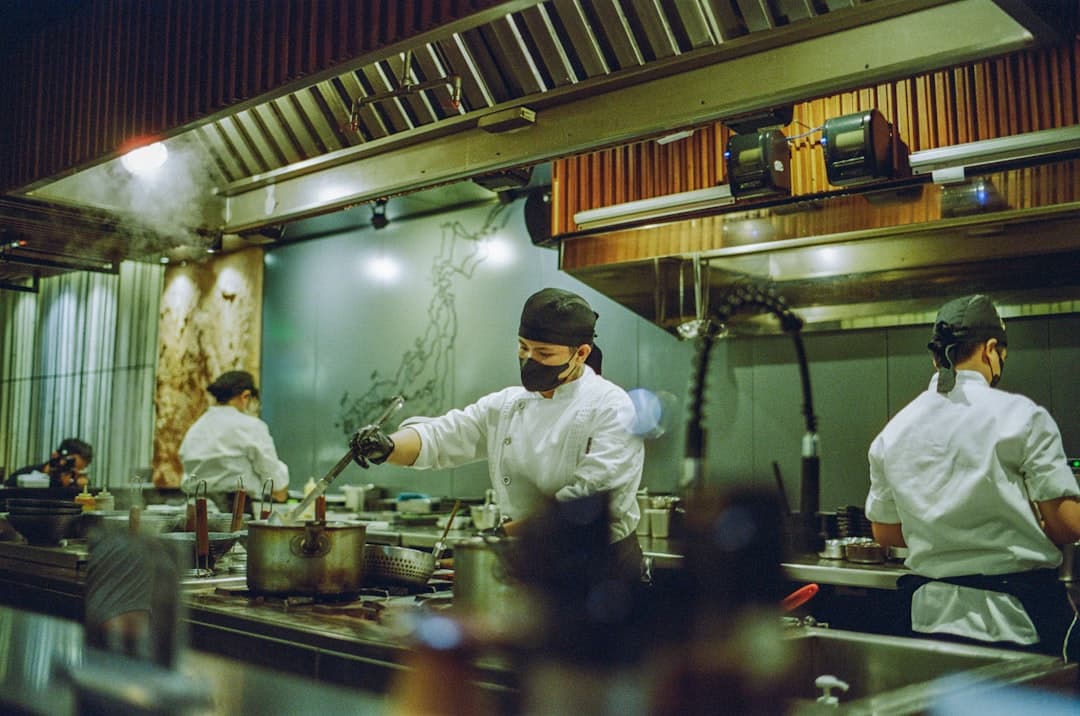
A shift in how Argentine restaurants source their ingredients has gained considerable ground in recent years, with establishments across the country establishing direct relationships with nearby farms, vineyards, and artisanal producers rather than relying on conventional wholesale suppliers.
A Movement Rooted in Regional Identity
Argentina's agricultural diversity — spanning the fertile Pampas, the wine country of Mendoza, and the lamb-grazing highlands of Patagonia — provides a natural foundation for farm-to-table practices. Chefs and restaurant owners have increasingly leveraged this geographic richness, building supply chains that prioritize seasonal availability and regional provenance.
In Buenos Aires, neighborhoods such as Palermo and San Telmo have become home to restaurants that feature rotating menus built around what local producers deliver each week. The practice has also taken root in smaller cities, where proximity to agricultural land makes producer relationships more accessible.
Economic and Logistical Factors
The farm-to-table model in Argentina has been shaped by the country's recurring economic volatility. Sourcing locally can offer restaurants a degree of insulation from import costs and currency fluctuations, making the approach both a culinary choice and a practical business strategy.
However, the model also carries logistical challenges. Reliable cold-chain infrastructure outside major urban centers remains inconsistent, and smaller farms may struggle to meet the volume or consistency that larger restaurant groups require.
Tourism and Gastronomy
Argentina's growing reputation as a gastronomic destination has amplified interest in locally sourced cuisine. Wine tourism in Mendoza and agritourism operations in the Lake District have helped connect international visitors directly with producers, reinforcing demand for transparent, origin-focused dining experiences.
Several Argentine chefs have received international recognition for cuisine that centers on native ingredients and traditional production methods, raising the profile of the broader movement within the country.
Open Questions
Whether smaller provincial cities can build the producer networks necessary to sustain farm-to-table dining at scale remains unclear. The role of government agricultural policy in supporting or hindering direct producer-restaurant relationships also warrants continued observation.
Sources: Argentine Ministry of Agriculture, Livestock and Fisheries (minagri.gob.ar); World's 50 Best Restaurants records; Wines of Argentina (winesofargentina.org); general reporting on Argentine gastronomy sector.
This article was compiled with the support of advanced research technology, based on multiple verified sources, and reviewed by our editorial team.