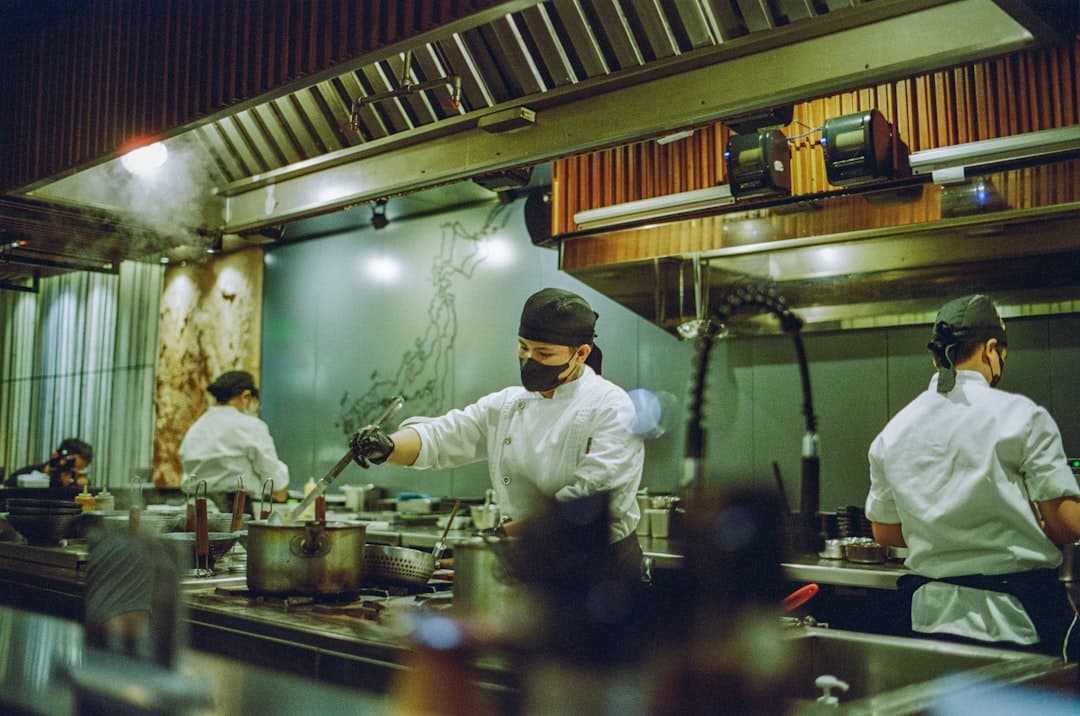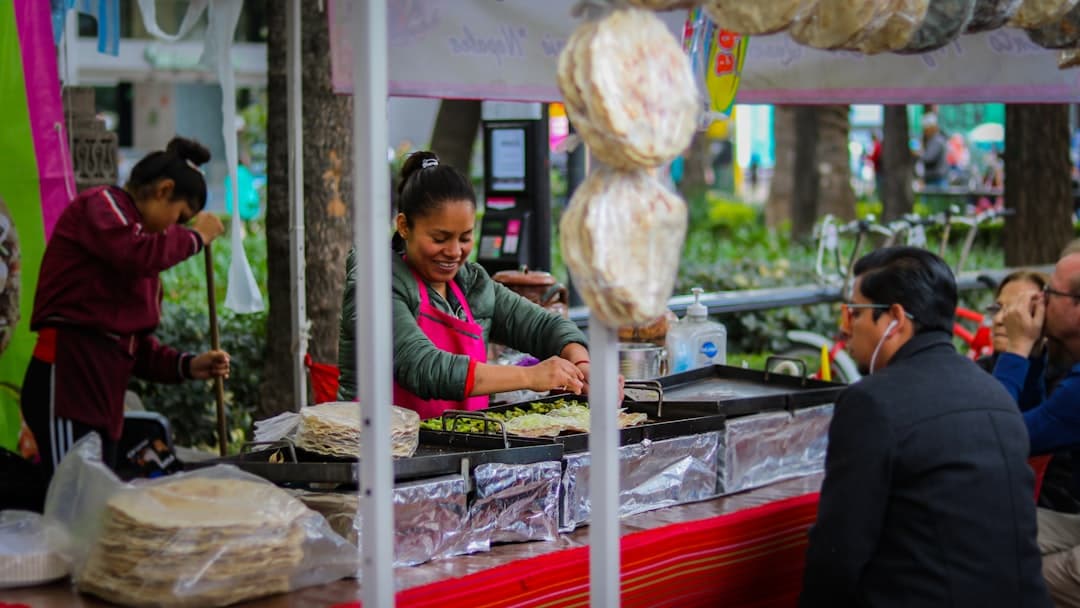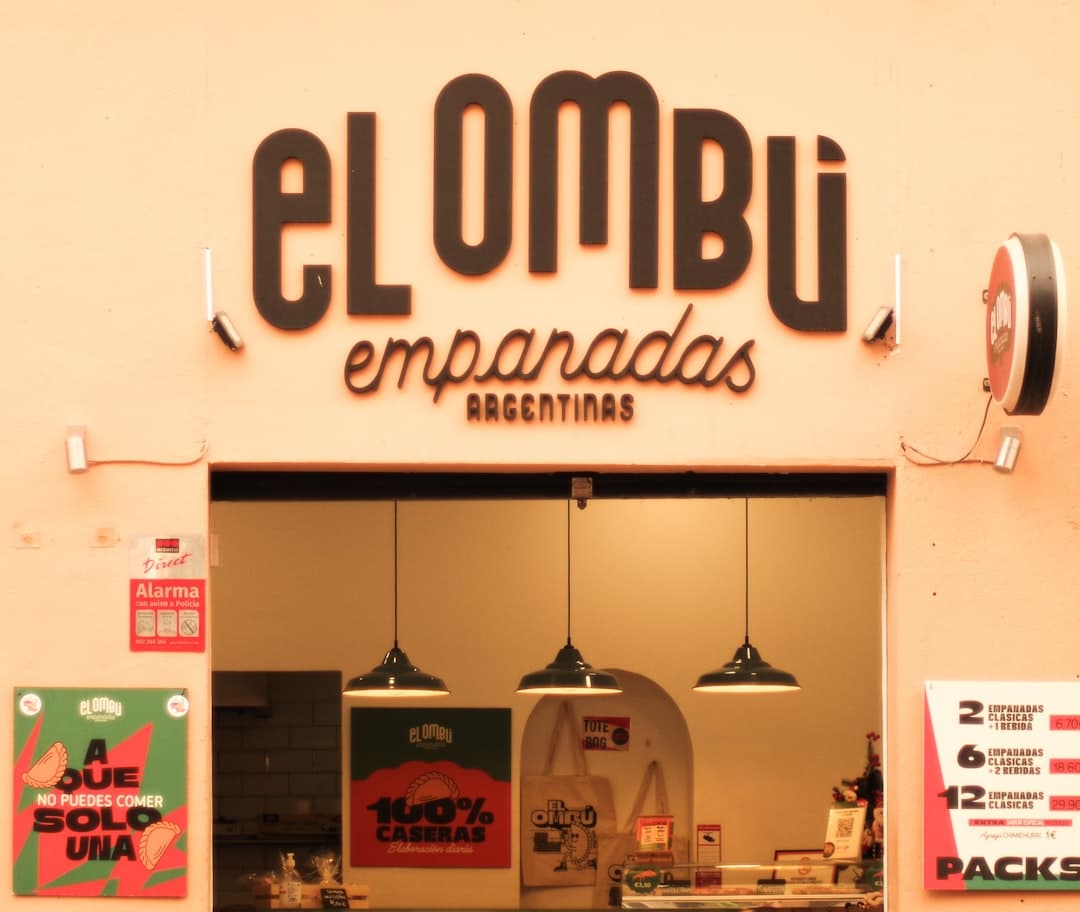
Argentine cuisine, long celebrated within South America, has been steadily establishing a stronger presence in food cultures across North America, Europe, and parts of Asia. Dishes rooted in the country's Spanish colonial heritage and indigenous traditions are appearing on menus well beyond Buenos Aires and the Pampas region.
Key Dishes Driving International Interest
The empanada — a baked or fried pastry filled with meat, cheese, or vegetables — has become one of the most recognizable Argentine exports in the food sector. Regional variations from provinces such as Salta, Tucumán, and Mendoza each carry distinct preparation styles, offering a diversity that appeals to chefs working in fusion and traditional formats alike.
Asado, the Argentine tradition of open-fire grilling, has also attracted international attention. Rooted in gaucho culture, the technique involves slow cooking various cuts of beef over wood or charcoal. Culinary schools and barbecue communities in Europe and North America have incorporated asado methods into their curricula and competitive events.
Dulce de leche, the caramel-like dairy spread central to many Argentine desserts, has moved from specialty import shelves into mainstream supermarket chains in several countries. Its use in pastries, ice creams, and confectionery has broadened its consumer base significantly.
Factors Behind the Trend
Argentine diaspora communities have historically served as primary conduits for introducing traditional foods abroad. As those communities have grown in cities including Madrid, Miami, and Barcelona, local demand for authentic ingredients and dining experiences has followed.
Food documentary programming and social media platforms have also played a measurable role. Visual content centered on Argentine food culture has circulated widely, familiarizing global audiences with preparation methods and ingredient profiles before they encounter the dishes in person.
The Argentine government's cultural and tourism promotion bodies have supported gastronomy as part of broader national branding efforts, positioning food as an entry point for international engagement with Argentine culture.
Open Questions
Whether supply chains for key Argentine ingredients — including specific beef cuts and regional cheeses — can scale to meet sustained international demand remains an ongoing consideration for exporters and restaurateurs alike.
Sources: Argentine Ministry of Tourism and Sports, Smithsonian Magazine (Argentine food culture), Oxford Companion to Food, Argentine Foods Export Chamber (CAFEX) public materials.
This article was compiled with the support of advanced research technology, based on multiple verified sources, and reviewed by our editorial team.