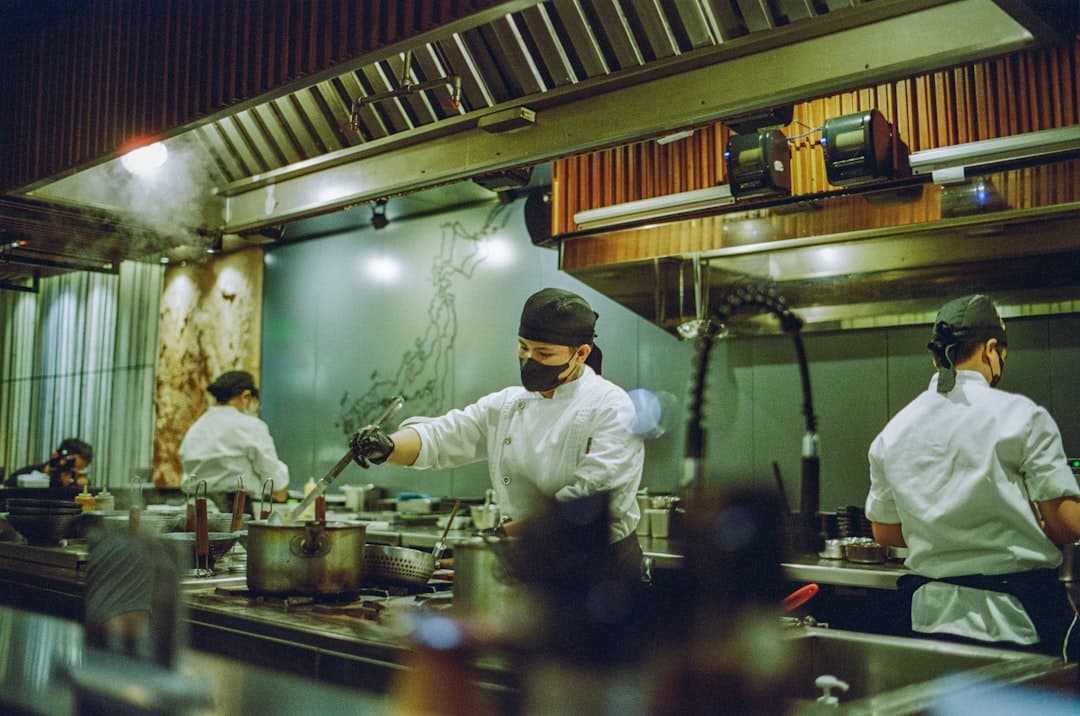
Buenos Aires has long carried a reputation for its European-influenced cuisine, particularly its Italian and Spanish culinary heritage. In recent years, however, the Argentine capital has expanded well beyond those foundations, attracting attention from international food critics, travel publications, and culinary tourism organizations.
A Convergence of Traditions
The city's food culture reflects Argentina's broader immigrant history. Neighborhoods such as Palermo, San Telmo, and La Boca each host distinct dining environments, ranging from traditional parrillas — wood-fire grill restaurants central to Argentine identity — to contemporary venues that incorporate Andean ingredients such as quinoa, purple corn, and locoto peppers into modern preparations.
Argentine beef, produced from grass-fed cattle on the Pampas, remains a cornerstone of the local diet and a significant draw for culinary tourists. The country's wine regions, particularly Mendoza, supply restaurants across the capital with internationally recognized Malbec and other varietals that pair closely with Buenos Aires dining culture.
A Growing Fine Dining Ecosystem
Several Buenos Aires restaurants have appeared on Latin America's 50 Best Restaurants list, a widely referenced industry ranking that has helped raise the city's global culinary profile. This recognition has coincided with the emergence of a younger generation of Argentine chefs who have trained internationally and returned to open concept-driven establishments.
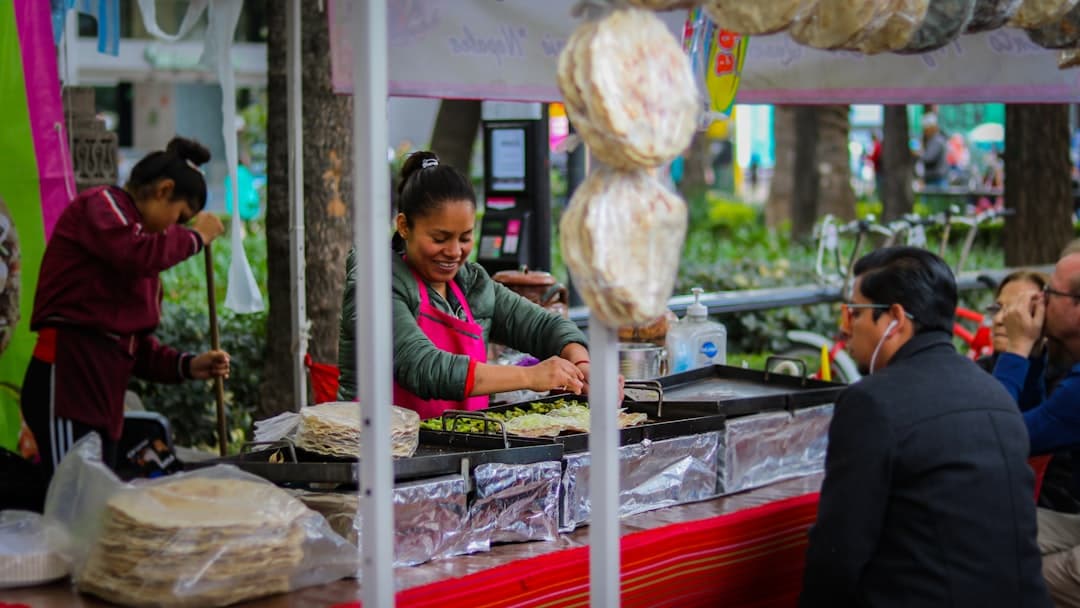
Food markets such as Mercado de San Telmo and Mercado Soho serve both residents and visitors, offering artisan products, street food, and specialty ingredients that reflect the city's gastronomic range.
Culinary Tourism on the Rise
Travel organizations and food-focused media outlets have increasingly included Buenos Aires in lists of top culinary destinations across the Western Hemisphere. Cooking classes, market tours, and multi-course tasting menus have become established parts of the city's tourism infrastructure, appealing to visitors who prioritize food experiences when choosing destinations.
The convergence of accessible dining costs, European architectural ambiance, and a broadening restaurant landscape continues to distinguish Buenos Aires from other regional competitors in the culinary tourism market.
Open Questions
Whether Buenos Aires can sustain its culinary momentum amid recurring economic instability — which affects restaurant operating costs, ingredient imports, and consumer spending — remains an ongoing concern for industry observers and local operators alike.
Sources: Latin America's 50 Best Restaurants (theworlds50best.com), Lonely Planet culinary travel guides, National Institute of Tourism Argentina (INPROTUR), Mercado de San Telmo official records.
This article was compiled with the support of advanced research technology, based on multiple verified sources, and reviewed by our editorial team.