Argentina has long been associated with cattle ranching and the asado tradition, but the country's food and wine landscape has expanded well beyond those foundations. Regions stretching from the high-altitude vineyards of Mendoza to the Patagonian steppe are now attracting culinary tourism at a scale that reflects a broader shift in how the country is perceived abroad.
Mendoza and the Rise of Altitude Winemaking
The province of Mendoza remains the heart of Argentine wine production, with Malbec serving as the country's signature grape on the international market. Vineyards in the Luján de Cuyo and Uco Valley subregions operate at elevations that produce grapes with concentrated flavors and notable acidity. Argentine wines have accumulated awards at international competitions over successive years, reinforcing the country's standing among wine-producing nations in the Southern Hemisphere.
Beyond Mendoza, provinces such as Salta, Neuquén, and Río Negro have drawn attention for their own distinct growing conditions. Salta's Cafayate valley, in particular, produces Torrontés, an aromatic white grape variety largely unique to Argentina.
Buenos Aires and the Restaurant Economy
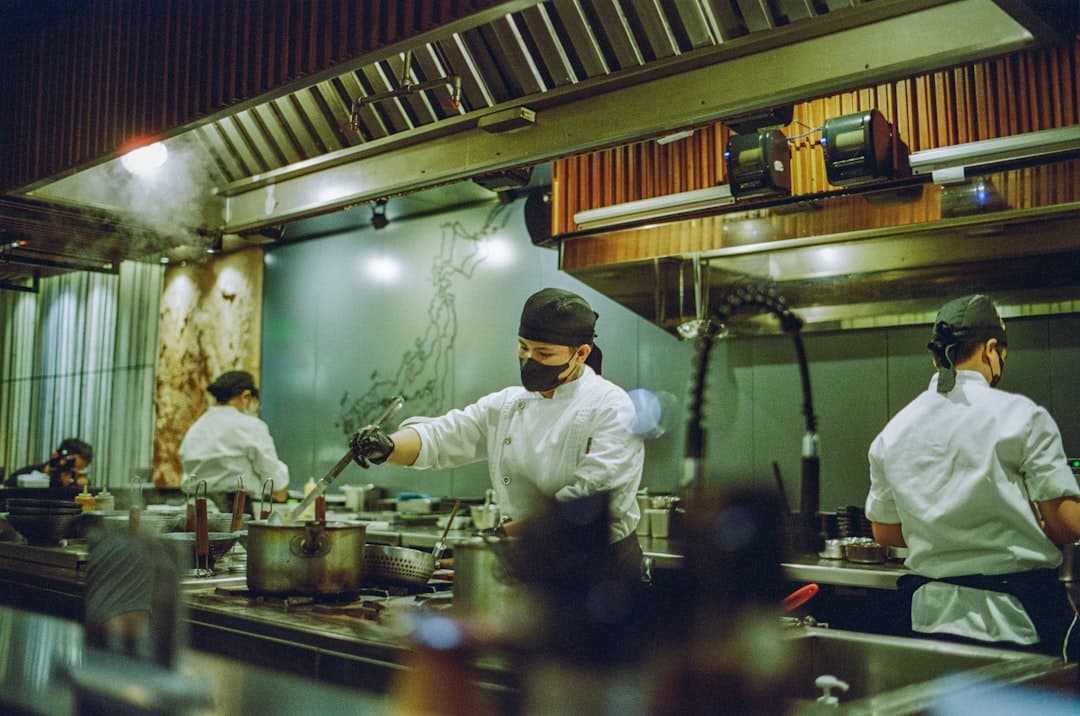
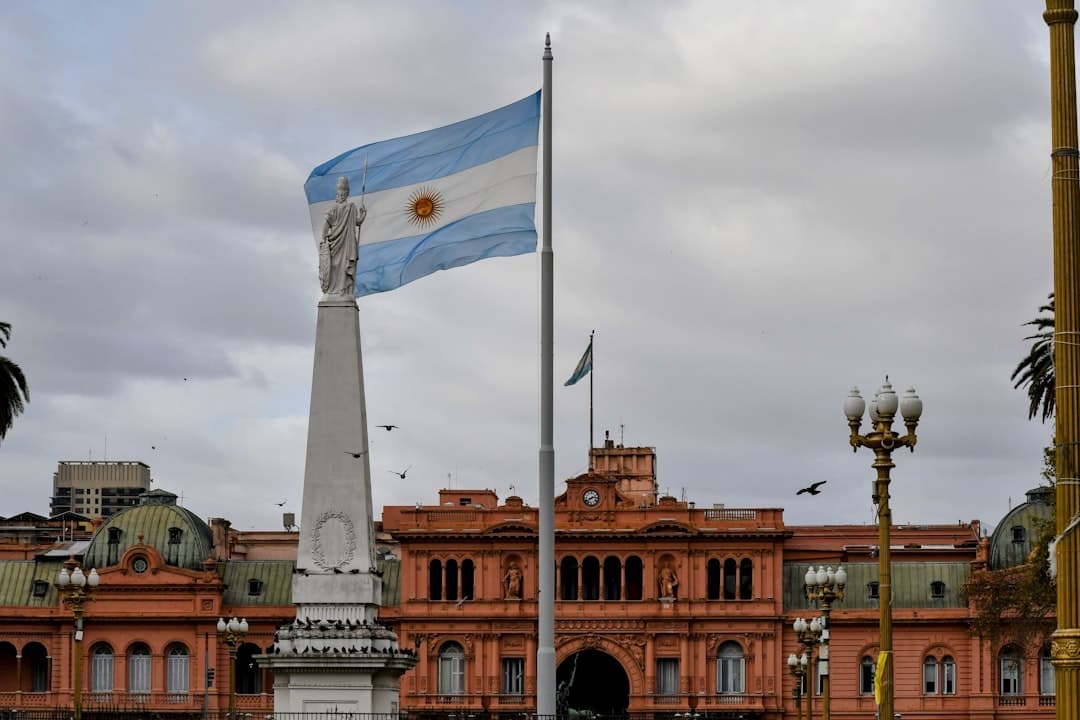
The capital city, Buenos Aires, has developed a restaurant culture that draws comparisons to major culinary cities elsewhere in the world. Several Buenos Aires establishments have appeared on influential international ranking lists in recent years. The city's dining scene reflects a fusion of European immigrant traditions — particularly Italian and Spanish — alongside indigenous and regional Argentine ingredients.
Chef-driven tasting menus, neighborhood parrillas, and natural wine bars now coexist across the city's distinct barrios, catering to both domestic diners and international visitors.
Agritourism and Rural Experiences
Across wine country, bodegas have developed visitor infrastructure that includes on-site restaurants, harvest experiences, and accommodation. This model of agritourism has grown steadily, integrating food and wine into a broader travel proposition for visitors arriving from Europe, North America, and neighboring South American countries.
Open Questions
Whether Argentina's economic volatility will affect long-term investment in the hospitality and wine export sectors remains a subject of ongoing observation among industry analysts.
Sources: Wines of Argentina (winesofargentina.org), World's 50 Best Restaurants (theworlds50best.com), Wines & Vines industry publications, Argentine Ministry of Tourism and Sports (argentina.gob.ar)
This article was compiled with the support of advanced research technology, based on multiple verified sources, and reviewed by our editorial team.