Argentina has long maintained a cultural identity shaped by waves of European immigration, indigenous heritage, and a distinctive River Plate sensibility expressed through music, literature, cinema, and language. That identity is now intersecting with the forces of global digital culture in ways that are measurable across media consumption, artistic production, and everyday social expression.
Digital Platforms and Local Culture
Streaming services, social media platforms, and short-video applications have become primary channels through which Argentine youth engage with both local and international content. Argentine creators on platforms such as YouTube, Instagram, and TikTok have built substantial audiences by blending vernacular humor, lunfardo slang, and regional references with formats and aesthetics that circulate globally. This dynamic has allowed certain elements of Argentine identity to reach international audiences while simultaneously exposing domestic audiences to outside cultural influences.
Traditional Forms Under Pressure and Reinvention
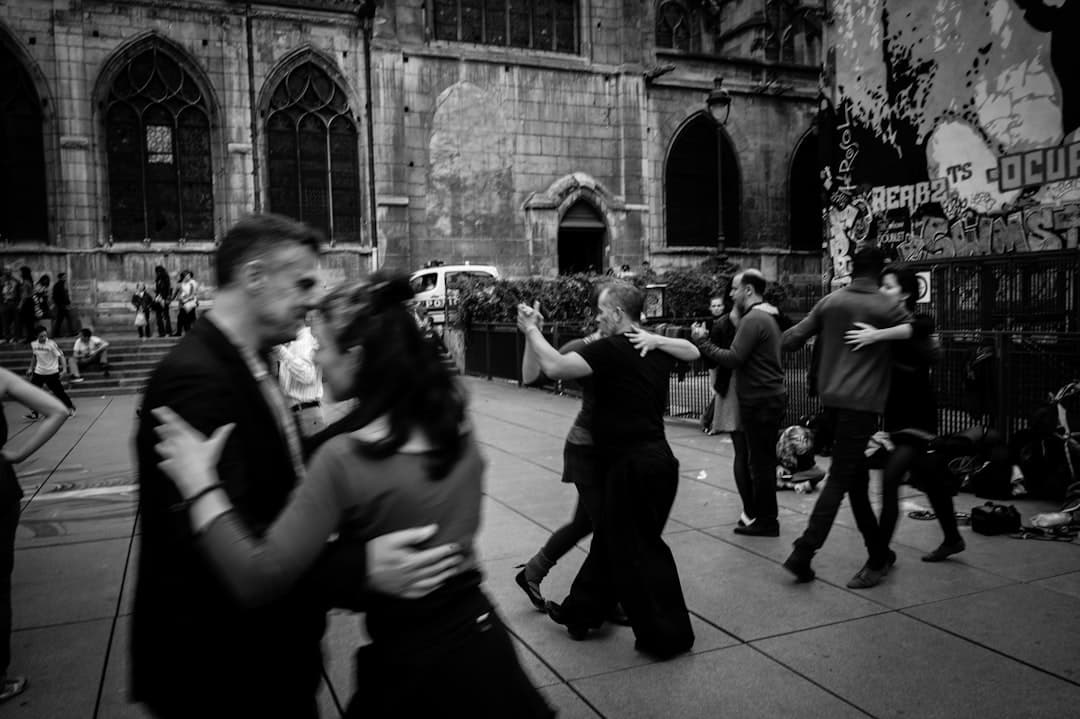
Tango, designated by UNESCO as part of the Intangible Cultural Heritage of Humanity, continues to hold institutional and symbolic weight in Argentina. Cultural organizations and municipal governments in Buenos Aires maintain funding for tango education and public milongas. At the same time, musicians and choreographers have experimented with electronic and fusion adaptations, seeking relevance with younger audiences without discarding the form's foundational structure.
Regional folk traditions, including cumbia villera and folk genres from the northwestern provinces, have similarly found new circulation through digital distribution, reaching diaspora communities across Europe and North America.
Language as a Living Marker
The Spanish spoken in Argentina — characterized by the voseo pronoun system and a melodic intonation influenced by Italian immigration — continues to distinguish the country linguistically within the Spanish-speaking world. Digital communication has introduced new vocabulary and abbreviated forms while lunfardo, the historically working-class slang of Buenos Aires, persists and evolves in online spaces.
Argentina's national cultural institutions, including the Secretaría de Cultura de la Nación, have expanded digital programming and archival access, reflecting an institutional acknowledgment that preservation and public engagement increasingly occur through online infrastructure.
Open Questions
How will Argentina's public cultural institutions balance digitization efforts with funding constraints? To what degree do global platform algorithms favor or suppress regionally specific content? And which traditional art forms will find sustainable audiences in a digitally mediated landscape?
Sources: UNESCO Intangible Cultural Heritage Registry; Secretaría de Cultura de la Nación (Argentina); Internet Archive regional digitization records; academic literature on lunfardo and Argentine sociolinguistics.
This article was compiled with the support of advanced research technology, based on multiple verified sources, and reviewed by our editorial team.