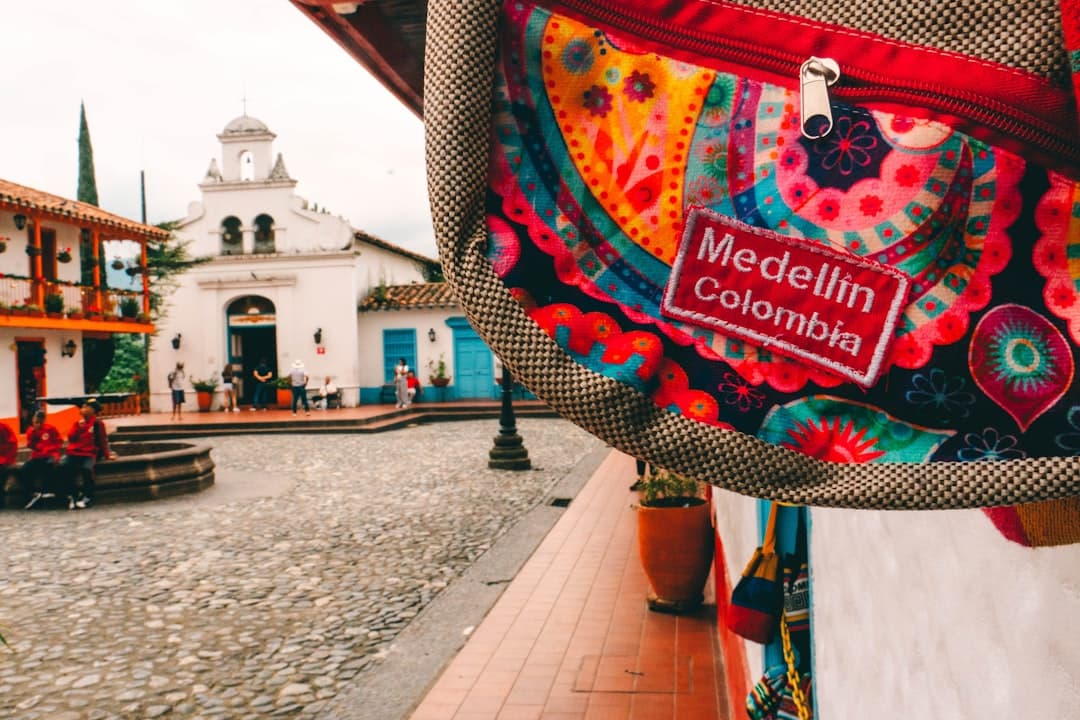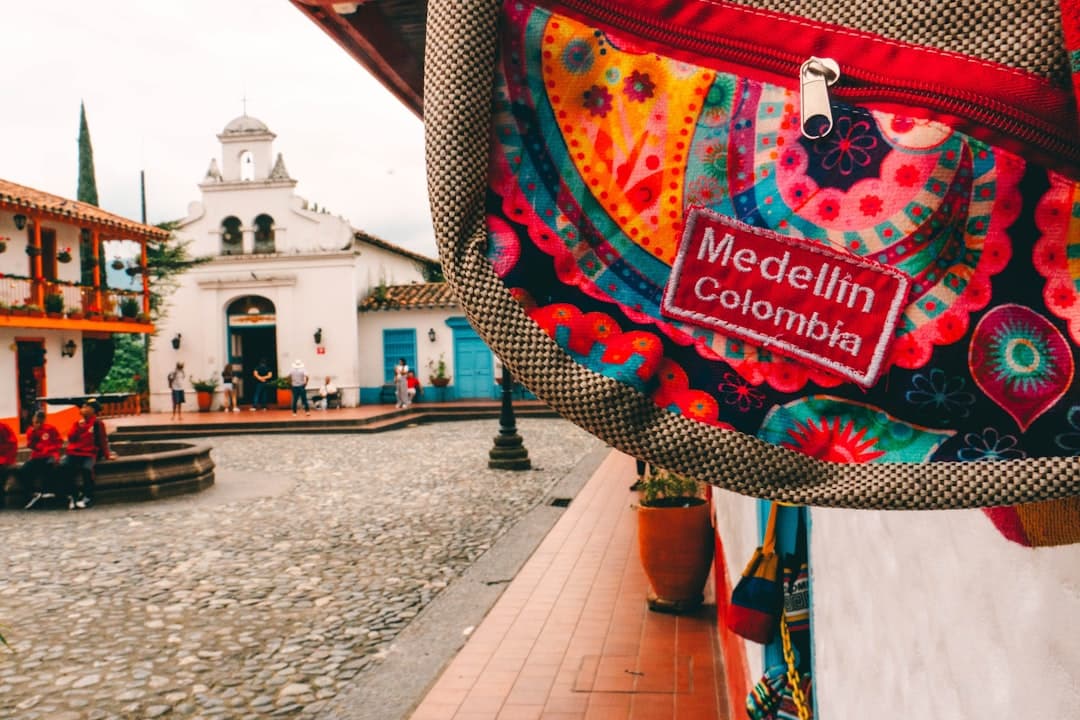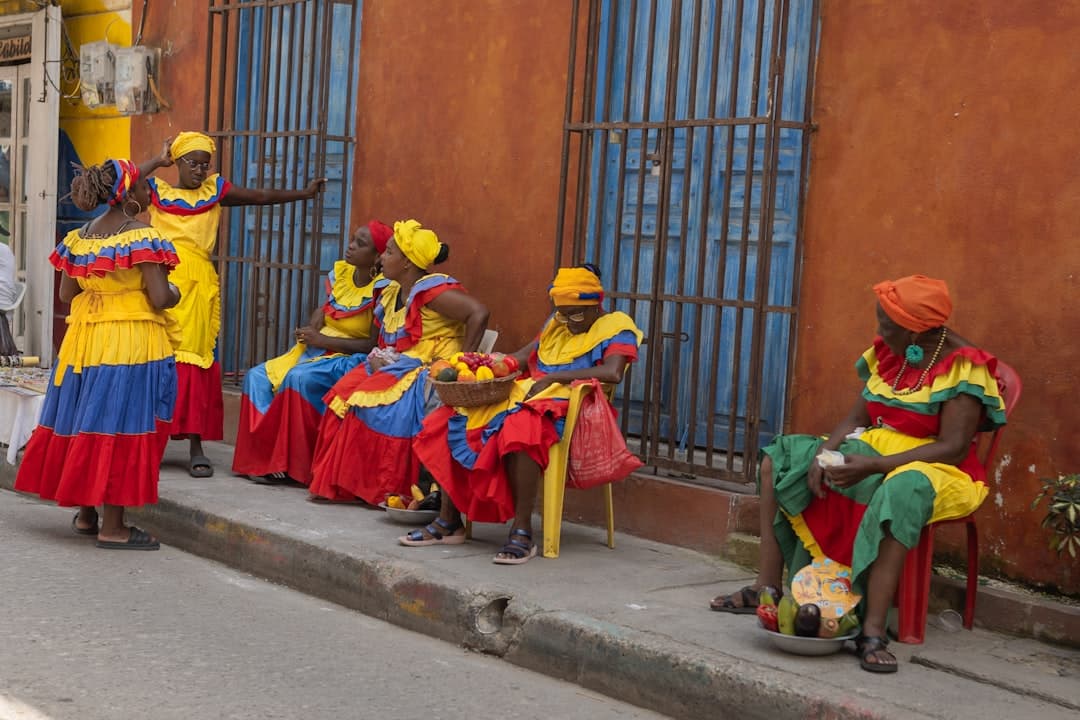
Colombia has long maintained a rich cultural tradition, but in recent decades its artists, musicians, and writers have achieved a level of international visibility that extends well beyond regional borders. The country's creative output now circulates across multiple continents, influencing global conversations in literature, music, and the visual arts.
Literature as a Global Gateway
The legacy of Gabriel García Márquez, recipient of the Nobel Prize in Literature in 1982, established Colombia as a landmark in world fiction. His narrative style, widely associated with magical realism, continues to be studied in universities across Europe, Asia, and the Americas. A generation of Colombian writers has since built on that foundation, with contemporary authors appearing on international awards shortlists and translation catalogs.
Music Crossing Borders
Colombian music genres, including cumbia, vallenato, and more recently the urban fusion sounds associated with artists from Medellín and Bogotá, have reached global streaming platforms and international festival stages. Shakira, among the most commercially successful recording artists in history, has consistently cited her Colombian heritage as central to her artistic identity. Younger performers continue to build international followings through digital distribution and cross-border collaborations.
Visual Arts and Cultural Infrastructure
The Museo de Arte Moderno de Bogotá and the Museo de Antioquia in Medellín have expanded their international loan programs and hosted exhibitions that attract foreign curators and collectors. The Botero collection, featuring the work of sculptor and painter Fernando Botero, draws visitors from around the world to both Bogotá and Medellín. Colombian artists have also gained representation in major international galleries and art fairs, including Art Basel.
Film and Audiovisual Production
Colombian cinema has received recognition at festivals including Cannes and Sundance, while domestic productions have found distribution through major streaming platforms. The country's diverse landscapes and urban settings have also made it an increasingly sought-after location for international film and television productions.
Open Questions
Whether Colombia's cultural infrastructure can sustain and support emerging artists at scale, and how cultural diplomacy will factor into the country's broader foreign policy strategy, remain subjects of ongoing discussion among policymakers and cultural institutions.
Sources: Nobel Prize Organization, Museo de Antioquia, Museo de Arte Moderno de Bogotá, Cannes Film Festival official records, Sundance Film Festival archives, Art Basel participant records.
This article was compiled with the support of advanced research technology, based on multiple verified sources, and reviewed by our editorial team.