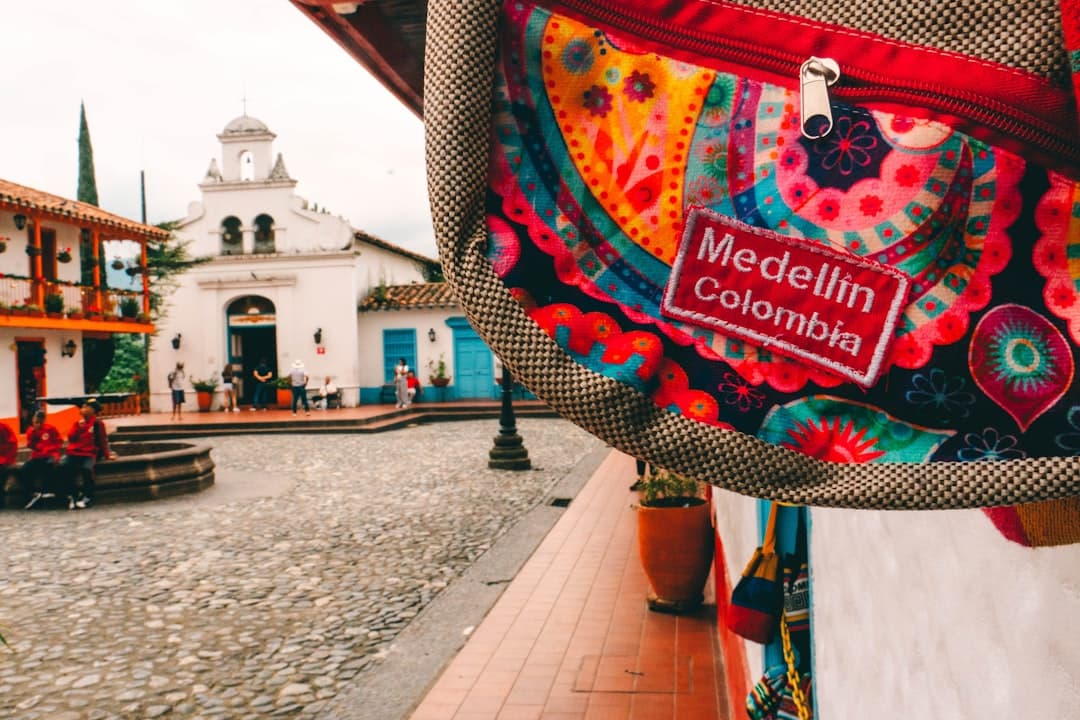
Medellín, the capital of Colombia's Antioquia department, has built a reputation over the past two decades as a city that deploys culture as a tool for urban renewal. What began as a series of civic initiatives in the early 2000s has matured into a broad and self-sustaining cultural ecosystem spanning visual arts, music, literature, and design.
Infrastructure as a Cultural Foundation
A defining feature of Medellín's cultural rise is its investment in public architecture and accessible institutions. The city's network of library parks — large-scale public facilities combining libraries, community spaces, and educational programs — anchors cultural activity in neighborhoods that previously had limited access to such resources. The España Library, designed by architect Giancarlo Mazzanti, became an internationally recognized symbol of this approach before its eventual closure for structural repairs.
The Museo de Antioquia, located in the city center, houses an extensive collection of works by Fernando Botero, the Colombian sculptor and painter who donated a significant body of his work to the institution. The adjacent Botero Plaza, an open-air installation of bronze sculptures, draws visitors from across the region and has become one of the most photographed public spaces in the country.
Festivals and the Live Arts Scene
The Feria de las Flores, held annually in August, serves as a focal point for traditional Antioquian culture, drawing large crowds and international media attention. Alongside this longstanding celebration, the city hosts events dedicated to jazz, theater, and contemporary art throughout the calendar year.
The Medellín International Poetry Festival, one of the largest gatherings of its kind in the world, brings together poets from dozens of countries and has received recognition from international cultural organizations for its scale and accessibility.
A Regional Reference Point
Urban planners and cultural policy researchers from across Latin America and beyond have studied Medellín's model as a reference for integrating cultural development into broader strategies of social cohesion and city branding. The city's trajectory reflects a sustained institutional commitment rather than a single landmark project.
Open Questions
Whether Medellín's cultural growth can extend equitably across all of its socioeconomic zones remains an area of ongoing civic debate. The long-term funding sustainability of its public cultural institutions also warrants continued observation.
Sources: Museo de Antioquia, Alcaldía de Medellín, Feria de las Flores official records, Medellín International Poetry Festival, Mazzanti Arquitectos project documentation, UNESCO cultural program references.
This article was compiled with the support of advanced research technology, based on multiple verified sources, and reviewed by our editorial team.