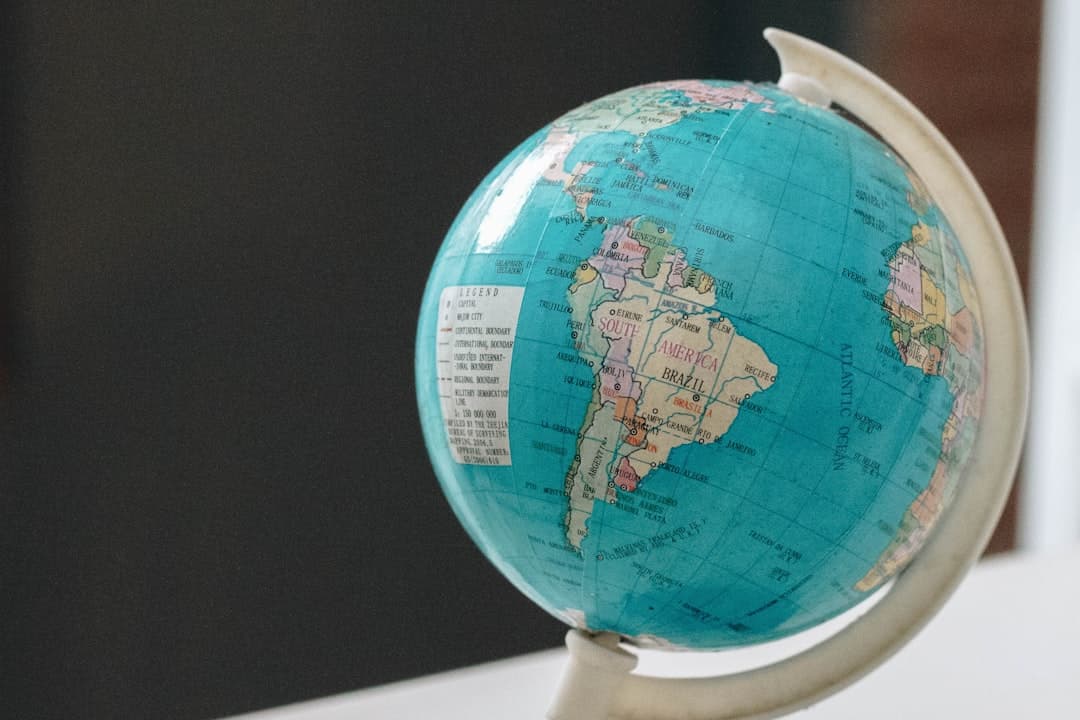
South America has entered a period of pronounced political realignment, as a succession of national elections produces governments with sharply divergent visions for governance, foreign policy, and economic management.
A Continent Divided by Competing Visions
Countries including Brazil, Argentina, Chile, Colombia, and Venezuela have in recent years elected or retained leaders whose policy platforms differ significantly from those of their predecessors or regional neighbors. The result is a patchwork of administrations — some oriented toward state-led economic intervention, others toward market liberalization — that complicates the formation of unified continental positions.
Regional blocs such as UNASUR, CELAC, and Mercosur have experienced varying degrees of institutional strain as member governments pursue competing diplomatic alignments, including closer ties with China, the United States, or the European Union depending on domestic political priorities.
Economic Policy Divergence
Electoral mandates have translated into measurably different approaches to inflation control, resource nationalization, and social spending. Nations rich in lithium, copper, and hydrocarbons have become arenas where electoral outcomes directly influence global commodity supply chains and foreign investment flows.
Security and Migration Pressures
Cross-border migration, organized crime, and drug trafficking remain persistent challenges that new administrations are addressing with markedly different tools — ranging from militarized border enforcement to negotiated social programs. The absence of a coordinated regional security framework means national responses often conflict with neighboring states' approaches.
Implications for Regional Leadership
Brazil and Argentina, historically the anchors of South American diplomacy, are each navigating domestic pressures that limit their capacity to project regional leadership consistently. Smaller nations have at times filled that vacuum, advancing their own bilateral agendas with extra-regional powers.
Open Questions
Whether South American nations can establish durable mechanisms for political coordination despite ideological fragmentation remains unresolved. The degree to which external powers will exploit electoral volatility to expand their regional influence is also subject to ongoing observation.
Sources: ECLAC (Economic Commission for Latin America and the Caribbean), Council on Foreign Relations — Latin America Program, BBC Mundo, Reuters Latin America Desk, official government communications from respective administrations.
This article was compiled with the support of advanced research technology, based on multiple verified sources, and reviewed by our editorial team.