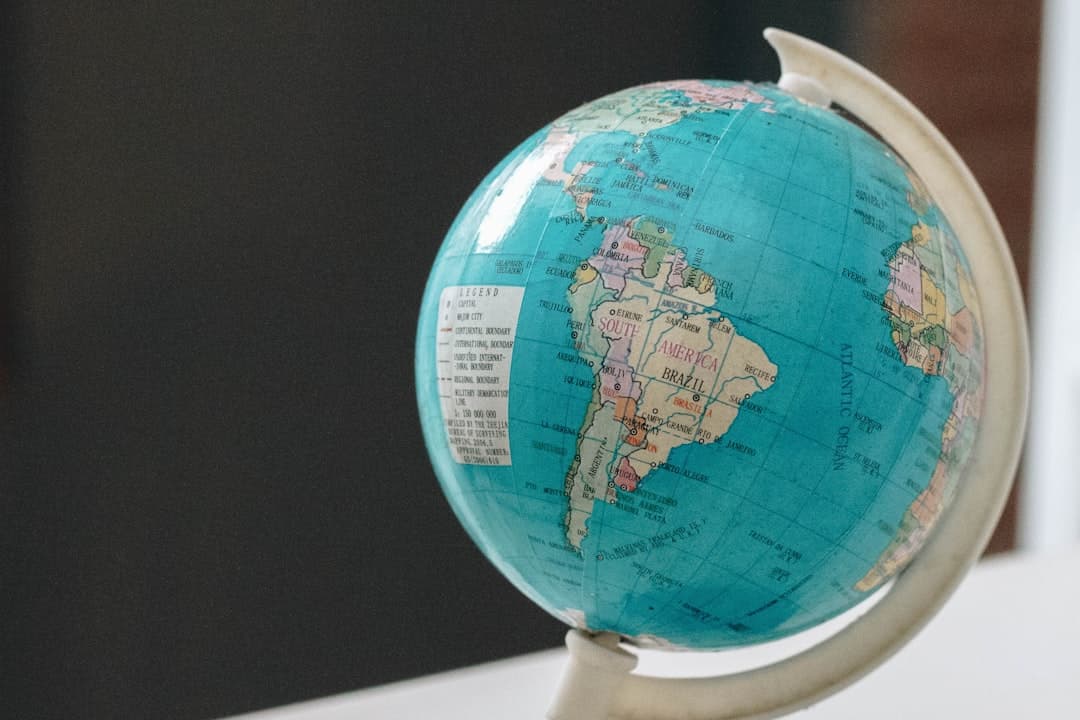
South America has long served as a laboratory for the relationship between economic conditions and political change. When living costs rise sharply and wages fail to keep pace, public trust in incumbent governments tends to erode, often accelerating transitions of power or fueling street-level unrest.
Currency Crises and the Ballot Box
Argentina offers one of the most documented cases of this dynamic. The country has cycled through multiple currency crises, each one reshaping the political landscape. Periods of severe peso devaluation have historically preceded the rise of outsider candidates and ideological pivots — both toward and away from market-oriented policies. Venezuela's prolonged economic collapse, driven by falling oil revenues and hyperinflation, contributed to a large-scale emigration crisis and deepened the country's political isolation regionally.
Austerity Measures and Social Unrest
When governments negotiate structural adjustment programs with international lenders, the resulting austerity measures — cuts to subsidies, fuel price increases, pension reforms — frequently generate large-scale protests. Ecuador and Chile have both experienced significant civil unrest tied directly to announced economic reforms. In Chile, a rise in metro fares triggered widespread demonstrations that ultimately led to a constitutional reform process.
Commodity Dependence and Governing Cycles
Many South American economies remain heavily tied to commodity exports including soybeans, copper, lithium, and petroleum. When global commodity prices rise, governments gain fiscal space to fund social programs, which tends to bolster their political standing. When prices fall, fiscal constraints tighten, social spending contracts, and opposition movements gain momentum. This cycle has been documented across Bolivia, Brazil, and Colombia over recent decades.
The Rise of Protest-Driven Movements
Economic grievances have also contributed to the emergence of new political movements outside traditional party structures. Across the continent, candidates with limited prior political experience have successfully channeled voter frustration over inequality and corruption into electoral victories, a trend observable from Brazil to Peru.
Open Questions
Whether the growing influence of lithium and green energy demand will create more stable revenue streams — or simply introduce new cycles of boom and bust — remains an open question for governments across the Southern Cone and the Andes.
Sources: International Monetary Fund regional reports, ECLAC (Economic Commission for Latin America and the Caribbean), World Bank Latin America data, Freedom House country reports, Reuters Latin America coverage archives.
This article was compiled with the support of advanced research technology, based on multiple verified sources, and reviewed by our editorial team.