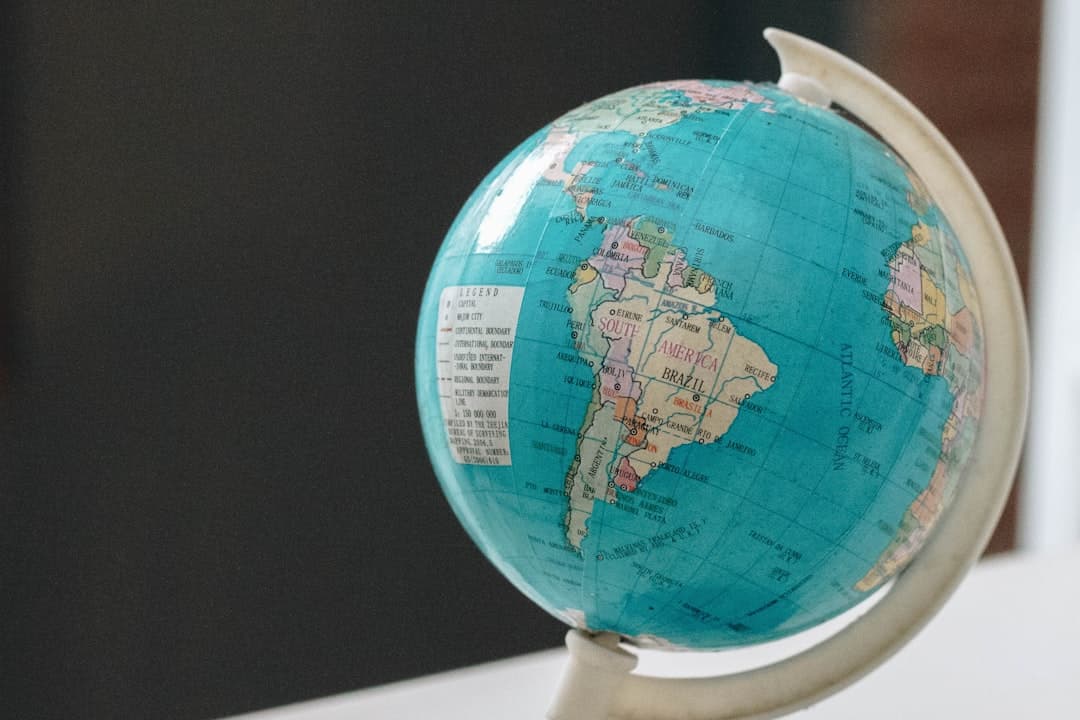
Across South America, a pattern of sharp political polarization has taken hold in multiple countries simultaneously, creating conditions that complicate governance, slow legislative agendas, and erode consensus-building mechanisms that democratic systems depend upon.
A Regional Phenomenon
The trend is not confined to a single country or political tradition. Nations including Brazil, Argentina, Colombia, Peru, and Chile have each experienced significant social and political fragmentation in recent years. While the specific drivers vary by country, common threads include economic inequality, distrust of traditional institutions, and the rapid spread of information — and misinformation — through digital platforms.
In several cases, executive and legislative branches controlled by opposing political forces have produced prolonged institutional deadlock, delaying budgets, judicial appointments, and social policy reforms. Constitutional mechanisms designed to resolve such disputes have, in some instances, themselves become points of contention.
Social Fabric Under Pressure
Beyond formal institutions, polarization has affected civic life. Civil society organizations, academic researchers, and regional bodies such as the Economic Commission for Latin America and the Caribbean (ECLAC) have documented rising social tension and declining levels of interpersonal and institutional trust across the continent.
Street protests — both from left-leaning and right-leaning movements — have become more frequent and, at times, more confrontational. Security forces in multiple countries have faced criticism from opposing sides of the political spectrum, reflecting how deeply division penetrates public life.
Structural Factors
Analysts who study Latin American politics point to persistent inequality, slow economic growth, and weak state capacity as underlying conditions that fuel polarization. When governments struggle to deliver on basic expectations around employment, security, and public services, voters tend to migrate toward more radical political positions, reinforcing the cycle.
Regional diplomatic cooperation, historically a buffer against domestic instability, has also become more difficult as ideologically divergent governments find less common ground in multilateral forums such as UNASUR and CELAC.
Open Questions
Whether electoral cycles in the coming years will produce more centrist governments capable of bridging divisions, or deepen existing fault lines, remains an open question across the continent. The resilience of democratic norms under sustained polarization will likely define the political trajectory of South America for the foreseeable future.
Sources: ECLAC regional reports; Freedom House Democracy Index; Council on Foreign Relations Latin America analysis; Reuters regional coverage.
This article was compiled with the support of advanced research technology, based on multiple verified sources, and reviewed by our editorial team.