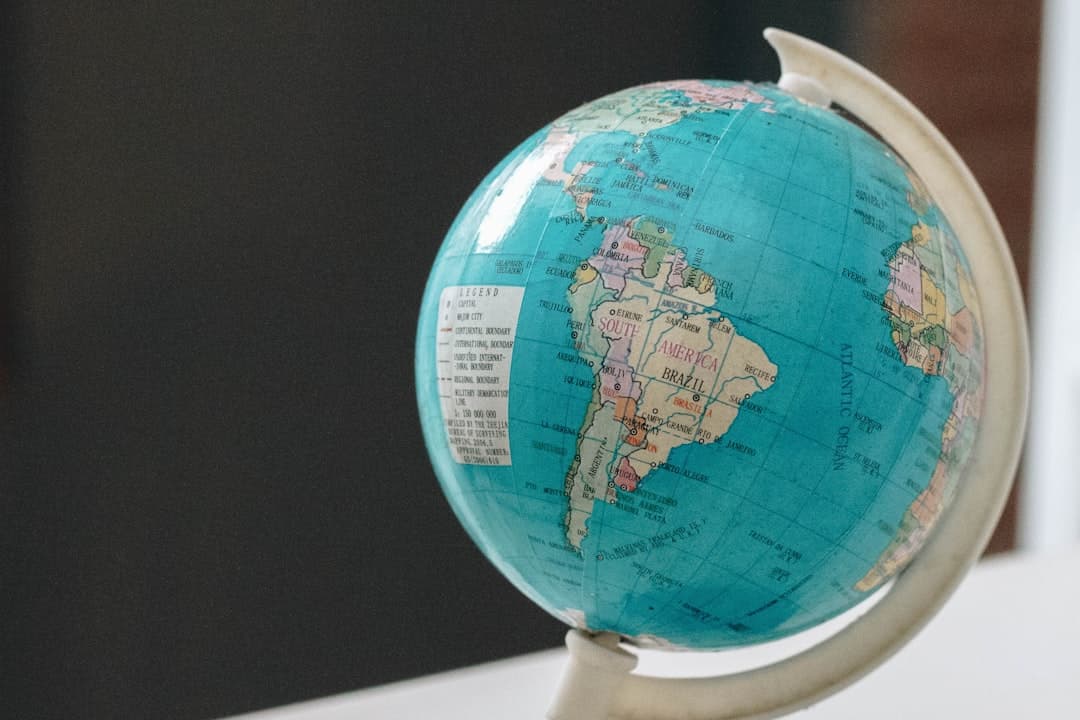
South America is experiencing a period of pronounced political transition, driven by overlapping electoral cycles, shifting voter coalitions, and the continued fragmentation of traditional party systems across multiple countries.
Electoral Pressure Across the Region
Nations including Brazil, Argentina, Chile, Colombia, and Venezuela have each undergone significant governmental changes in recent years, producing a regional landscape that no longer aligns neatly along historic left-right divisions. Voters in several countries have swung between ideological poles within consecutive electoral cycles, reflecting deep dissatisfaction with incumbent administrations regardless of their political orientation.
Economic pressures — including inflation, currency instability, and persistent inequality — have consistently ranked among the primary concerns cited in regional polling, influencing electoral outcomes and shaping the platforms of emerging political movements.
Institutional Stress and Democratic Concerns
Regional bodies, including the Organization of American States and the Union of South American Nations, have at various points raised concerns about democratic backsliding in specific member states. Judicial independence, press freedom, and the conduct of electoral processes have drawn scrutiny from both international observers and domestic civil society organizations.
In several countries, outsider candidates and non-traditional political movements have achieved electoral success by positioning themselves against established institutions, a pattern observed across both left-leaning and right-leaning campaigns.
Geopolitical Dimensions
External relationships are also shifting. Countries across the region are actively managing relationships with the United States, China, and the European Union simultaneously, often pursuing pragmatic economic partnerships that do not conform to Cold War-era alignment patterns. China's expanding trade and infrastructure presence through Belt and Road-adjacent agreements has added a new dimension to regional foreign policy calculations.
Open Questions
Whether newly elected governments can stabilize economies while maintaining democratic norms remains an open question. The long-term viability of fragmented legislatures, where coalition-building has become increasingly difficult, also presents a structural challenge for governance across the region.
Sources: Organization of American States (OAS), ECLAC (Economic Commission for Latin America and the Caribbean), Freedom House Democracy Reports, BBC News Latin America, Reuters Latin America Desk.
This article was compiled with the support of advanced research technology, based on multiple verified sources, and reviewed by our editorial team.