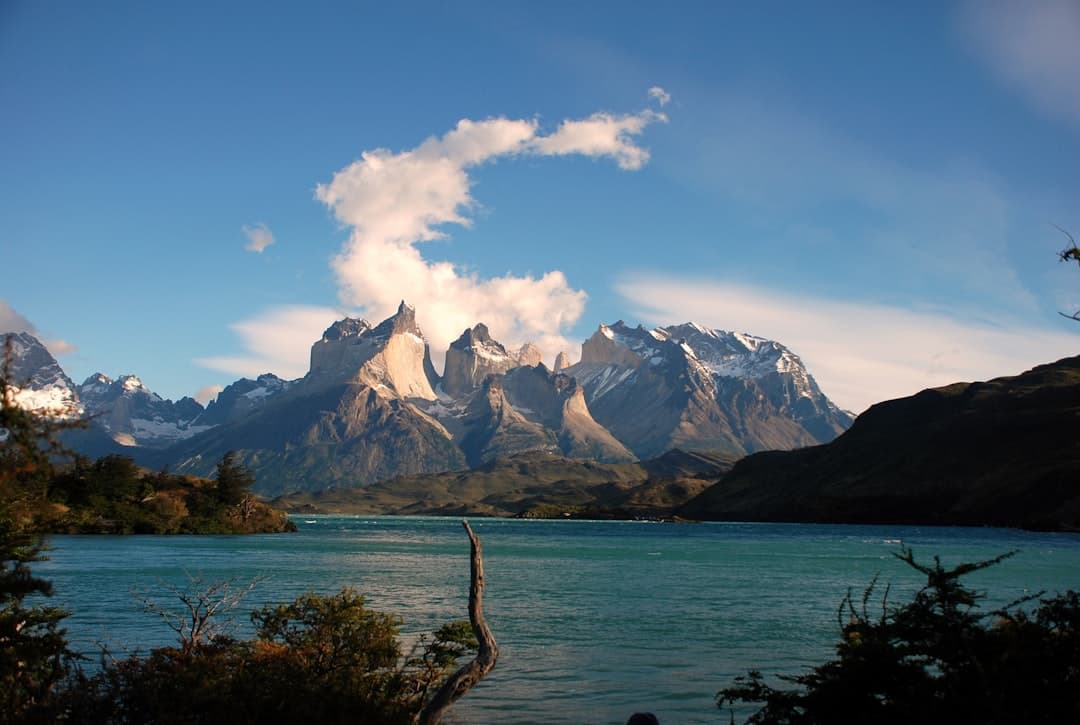
Stretching across the southern tip of South America, Argentine Patagonia has built a sustained reputation as one of the continent's most compelling travel destinations. The region covers a substantial portion of Argentina's total landmass and encompasses dramatically varied terrain, from the Andes mountain range in the west to the Atlantic coastline in the east.
Natural Landmarks Drive Visitor Interest
The Perito Moreno Glacier, located within Los Glaciares National Park in Santa Cruz Province, stands as one of the few glaciers in the world that remains in a state of equilibrium rather than retreating. Los Glaciares National Park holds UNESCO World Heritage status, a designation that has contributed to its international profile. Further north, Torres del Paine's Argentine counterpart, the Parque Nacional Los Glaciares, shares a broader Patagonian ecosystem that attracts trekkers, climbers, and wildlife researchers.
Wildlife and Ecological Diversity
The Valdés Peninsula, a UNESCO World Heritage Site on the Atlantic coast of Chubut Province, serves as a critical habitat for southern right whales, Magellanic penguins, elephant seals, and orcas. Wildlife observation in this area follows regulated guidelines established by Argentine national and provincial authorities. The ecological diversity of the region has made it a destination of interest for scientific tourism as well as conventional travel.
Infrastructure and Accessibility
The cities of Bariloche, El Calafate, and Puerto Madryn function as primary gateways to Patagonian destinations. Each city maintains active commercial airports with regular domestic connections to Buenos Aires, reducing travel times significantly compared to overland routes. The Argentine government has historically invested in national park infrastructure, including ranger services, marked trail networks, and visitor centers.
Seasonality and Climate
Patagonia's austral summer, running from November through March, represents the primary travel season, when temperatures are more moderate and trail access is at its broadest. The region is known for strong and unpredictable winds year-round, a characteristic that shapes both landscape formation and visitor planning.
Open Questions
Whether expanding tourism infrastructure will affect the ecological integrity of protected zones remains an ongoing subject of environmental review by Argentine authorities and international conservation organizations.
Sources: UNESCO World Heritage Centre (whc.unesco.org), Argentina's National Parks Administration (Administración de Parques Nacionales — apn.gob.ar), Argentine Secretary of Tourism.
This article was compiled with the support of advanced research technology, based on multiple verified sources, and reviewed by our editorial team.