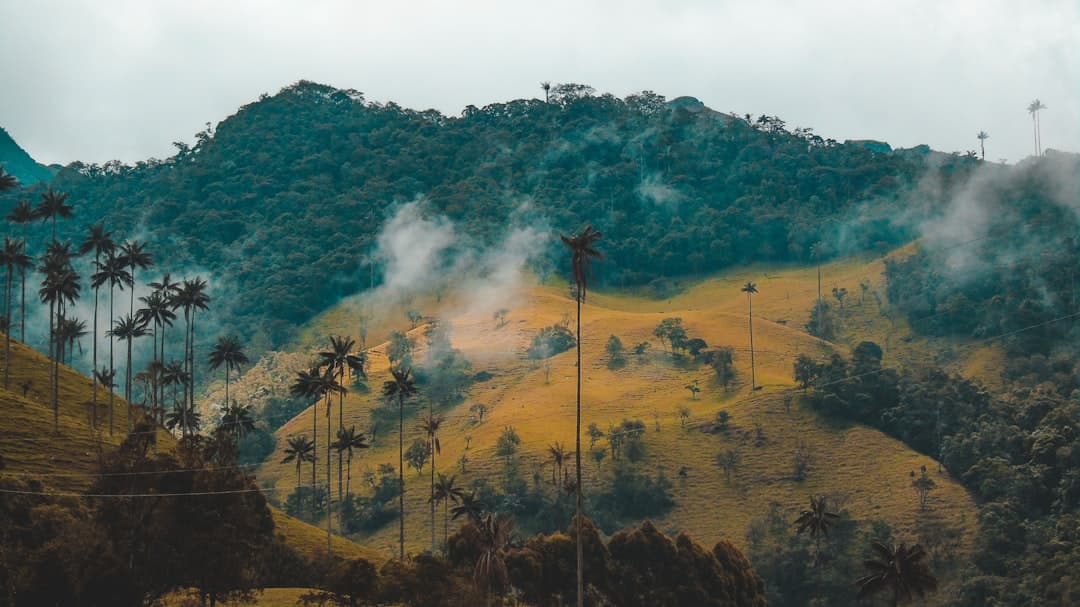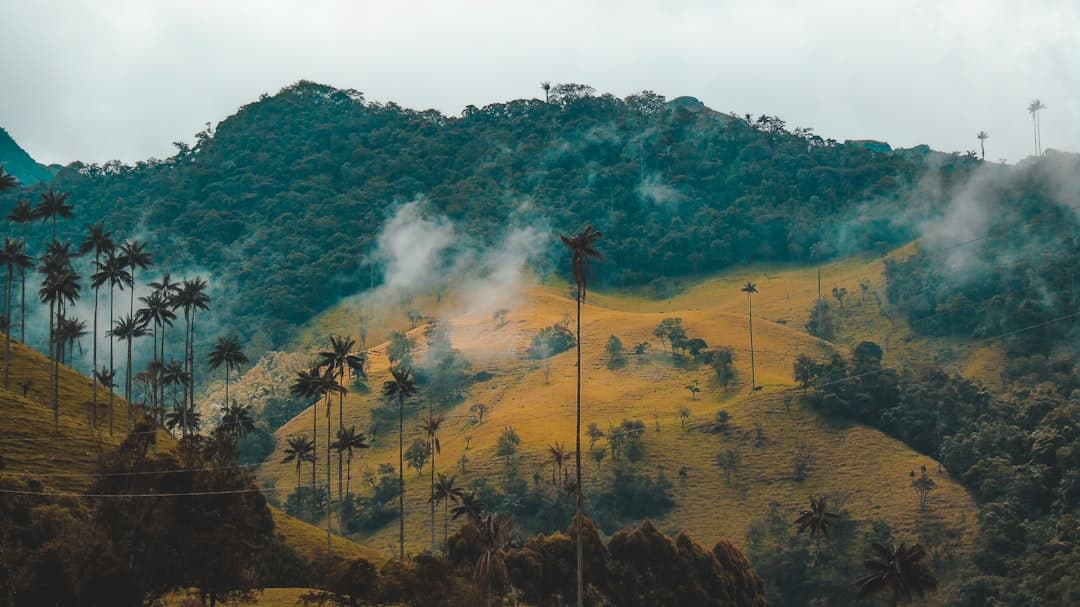
Colombia has seen a marked rise in international tourist arrivals over recent years, with eco-tourism emerging as one of the most significant catalysts behind that growth. The country's extraordinary biodiversity — spanning Amazonian rainforests, Andean cloud forests, Pacific coastlines, and Caribbean shores — has made it a compelling destination for travelers prioritizing nature-based experiences.
Biodiversity as a Strategic Asset
Colombia is recognized globally as one of the world's most biodiverse nations, ranking among the top countries for bird species, plant variety, and endemic wildlife. Organizations including Conservation International and the World Wildlife Fund have documented the country's ecological wealth, which spans multiple climate zones within a relatively compact geography. This natural variety has been central to marketing efforts by ProColombia, the country's official tourism and investment promotion agency.
Infrastructure and Community Tourism
Local and regional governments have invested in rural tourism corridors, creating structured routes that connect travelers to agricultural communities, indigenous territories, and protected natural areas. The coffee-growing region known as the Eje Cafetero has long attracted visitors, and similar models have expanded into regions such as the Sierra Nevada de Santa Marta and the Serranía de la Macarena, home to the Caño Cristales river system.
Urban Gateways and Connectivity
Cities including Medellín, Bogotá, and Cartagena serve as arrival hubs from which eco-tourism routes extend into surrounding natural areas. Expanded air connectivity from North America, Europe, and within Latin America has lowered barriers for international visitors. Budget and mid-range accommodation options in rural zones have also grown alongside the broader tourism boom.
Sustainability Pressures
Rapid growth in visitor numbers has prompted debate among conservation bodies and local communities regarding the carrying capacity of sensitive ecosystems. Protected areas such as Tayrona National Park have implemented visitor limits in response to documented environmental stress, reflecting broader tensions between tourism development and long-term ecological preservation.
Open Questions
How will Colombia balance continued tourism promotion with the conservation demands of its most fragile ecosystems? What regulatory frameworks are needed to ensure community-based tourism revenue reaches local populations equitably?
Sources: ProColombia, Conservation International, World Wildlife Fund, Colombia's Ministry of Commerce, Industry and Tourism, UNESCO World Heritage documentation.
This article was compiled with the support of advanced research technology, based on multiple verified sources, and reviewed by our editorial team.